Business 205
Seat Boss Says Brand Closure Not the Only Option
In this issue
Business 205
Seat Boss Says Brand Closure Not the Only Option
Culture 242
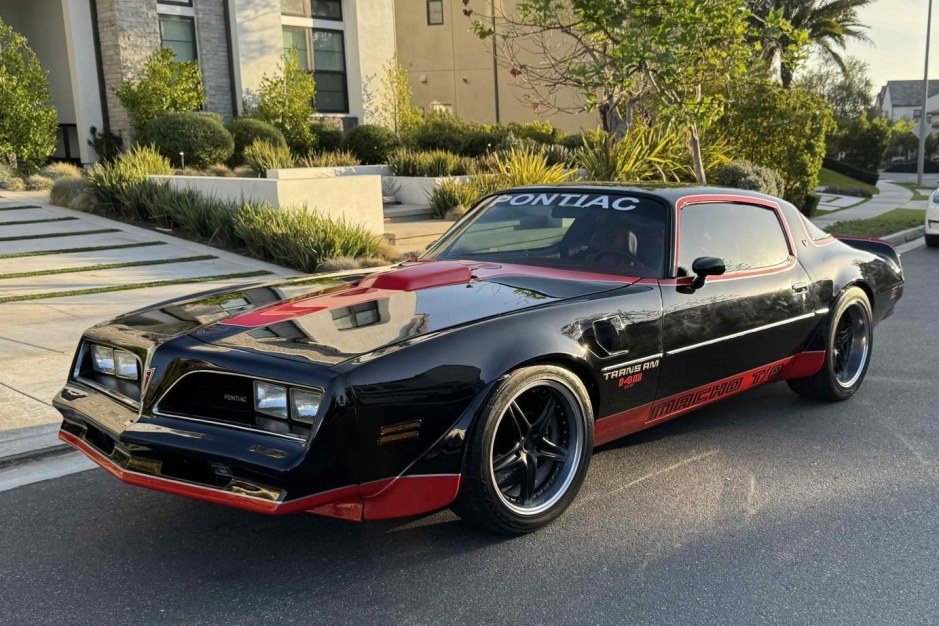
1978 Pontiac Firebird Trans Am Macho T/A Heads to Auction
Economy 39
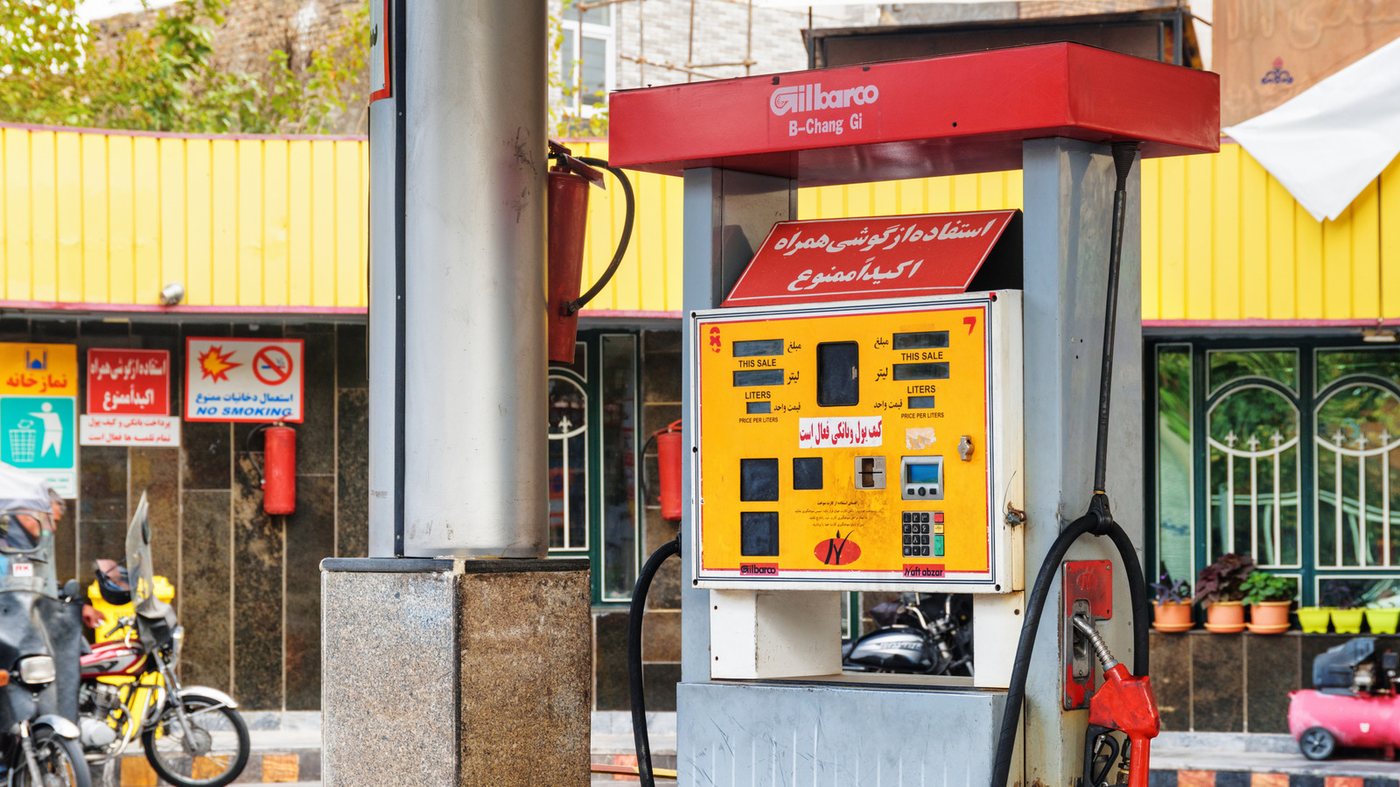
Countries Where Petrol Sells for Under $2 a Gallon
News 150
Earhart Search Team Reaches Crab-Infested Pacific Island
Politics 112
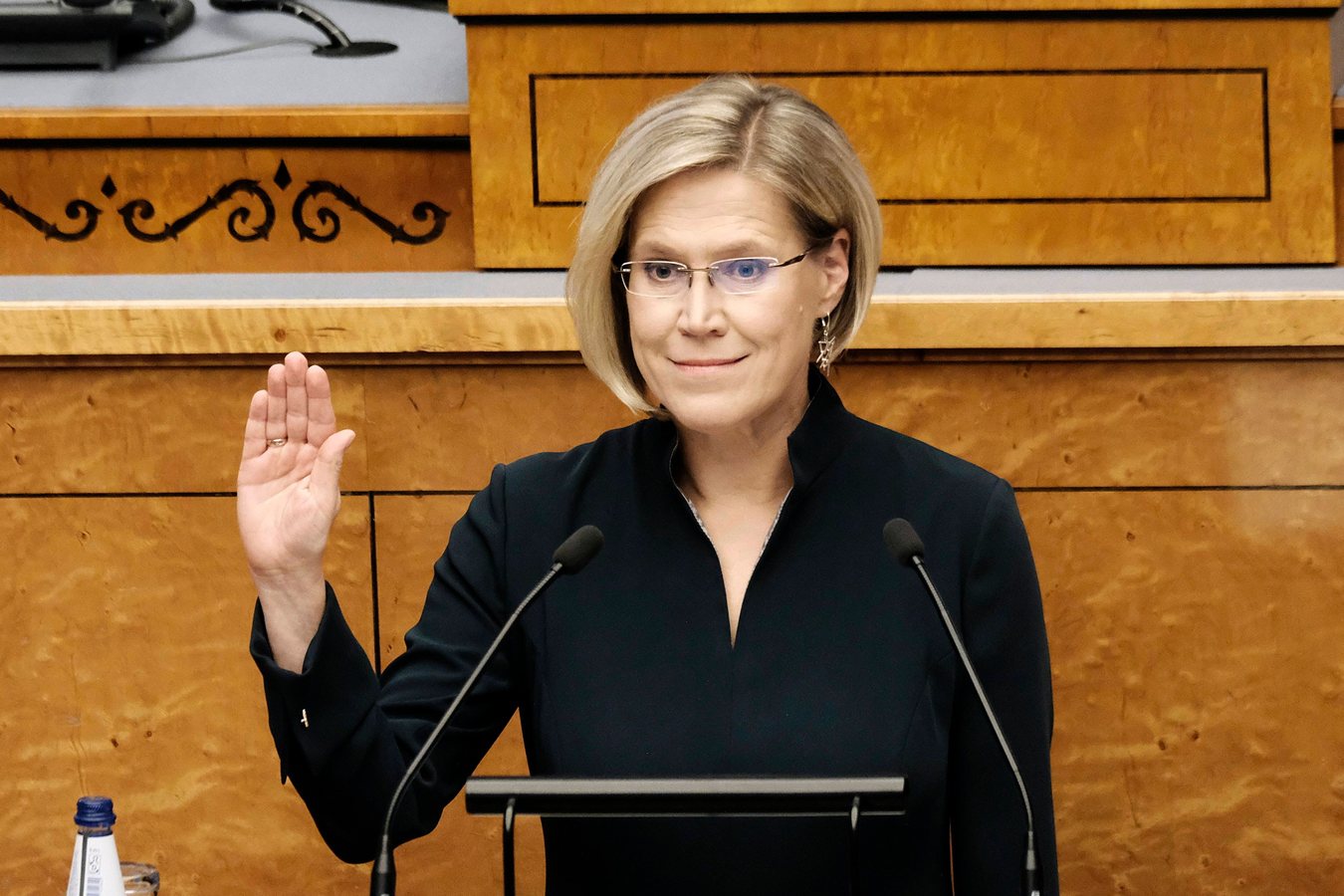
Ulle Madise becomes Estonia's new president
Sports 268
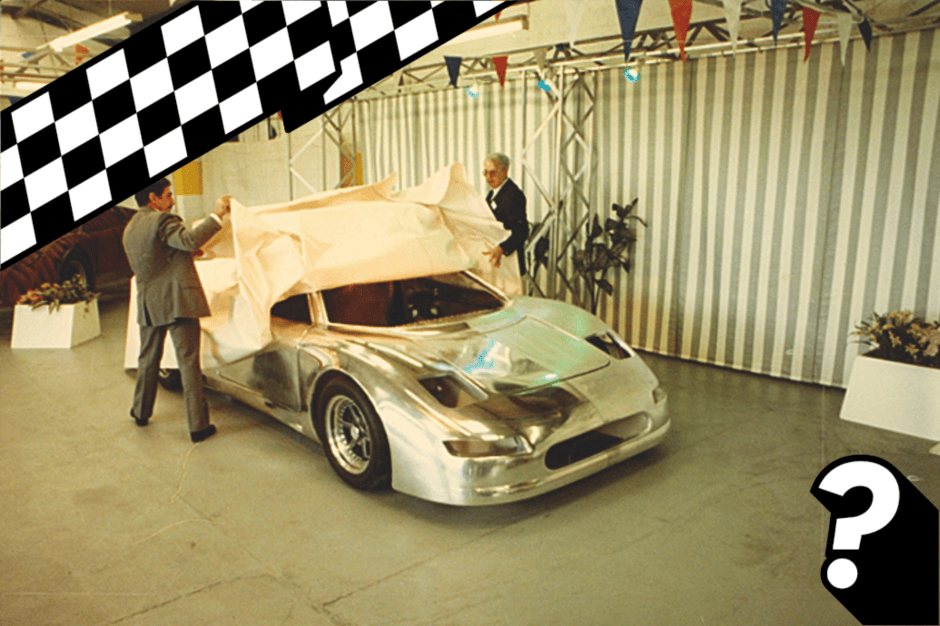
Jaguar XJ220 Named Favourite British Supercar in Reader Poll
Technology 280
Porsche's Electric 718 Will Put Batteries Where the Engine Used to Be
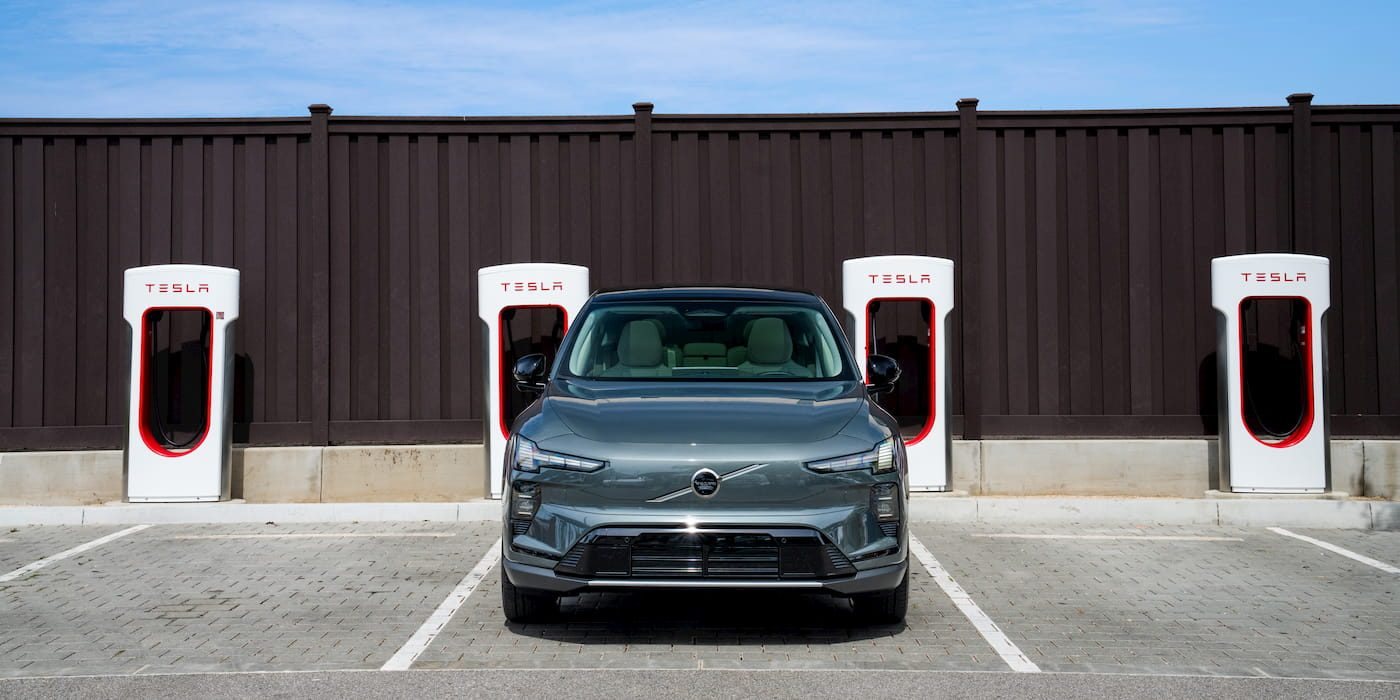
America's public fast-charging estate has grown beyond 80,000 ports, with new sites offering more stalls and higher power, but Tesla has increased Supercharger prices while most rival networks hold steady.
By Edward Beaumont · 4 min read
The United States has passed 80,000 public electric vehicle fast-charging ports, according to new industry figures, marking a significant milestone for the country's charging infrastructure. The growth reflects a market that is not only expanding in size but also improving in quality, as newly built charging stops are becoming larger and delivering more power per stall.
For drivers, the practical effect is a greater likelihood of finding an available charger on long journeys. Larger sites with more ports reduce the risk of queues, while higher-powered equipment cuts the time spent plugged in. The trend suggests that operators are responding to rising EV adoption by investing in capacity rather than merely adding isolated units.
The picture on pricing is more mixed. Most charging networks have held their rates steady, but Tesla has raised the cost of using its Supercharger network. The move is notable because Tesla has long been the dominant player in American fast charging, and its pricing decisions are closely watched by both competitors and motorists.
Tesla's Supercharger network remains the largest single fast-charging system in the United States, and the company has continued to expand it even as it opens access to drivers of other brands. That dual role — as both a growth leader and a price-setter — gives Tesla unusual influence over the economics of public charging.
Higher prices at Superchargers could affect how drivers plan journeys, particularly those who rely on public charging because they cannot charge at home. For fleet operators and high-mileage drivers, even modest increases in per-kilowatt-hour costs can add up over a year. The fact that most other networks have not followed Tesla upward may soften the impact, giving drivers alternatives where they exist.
The broader growth in charging ports is also a signal about the direction of the EV market. Automakers have faced uneven demand for electric models, and charging anxiety remains one of the most cited barriers to purchase. A denser, more powerful network addresses that concern directly, and the shift towards bigger stations mirrors the experience of conventional fuel stops, where multiple pumps and amenities are the norm.
Analysts have long argued that charging infrastructure must stay ahead of vehicle sales to sustain consumer confidence. Passing 80,000 fast ports is a step towards that goal, though questions remain about reliability, payment systems and coverage in rural areas. The latest data indicates that the build-out is continuing, with new stops designed to serve more vehicles at once.
Tesla's price increase introduces a note of caution. If the cost of fast charging rises across the board, the running-cost advantage of electric vehicles over petrol and diesel cars narrows. For now, however, the majority of networks appear to be competing on availability and speed rather than pushing up prices.
The coming months will show whether Tesla's move is an isolated adjustment or the start of a broader repricing. Much depends on electricity costs, utilisation rates and the competitive pressure from networks that are expanding rapidly. Drivers, meanwhile, can take some comfort from a simple fact: there are more places to plug in than ever before, and the newest ones are the best equipped yet.
5