Business 206
BMW Group Reports Nine-Month Sales as European Demand Holds
In this issue
Business 206
BMW Group Reports Nine-Month Sales as European Demand Holds
Culture 243
ITV's The Party: Elizabeth Day on adapting her best-selling thriller for televisi…
Economy 39
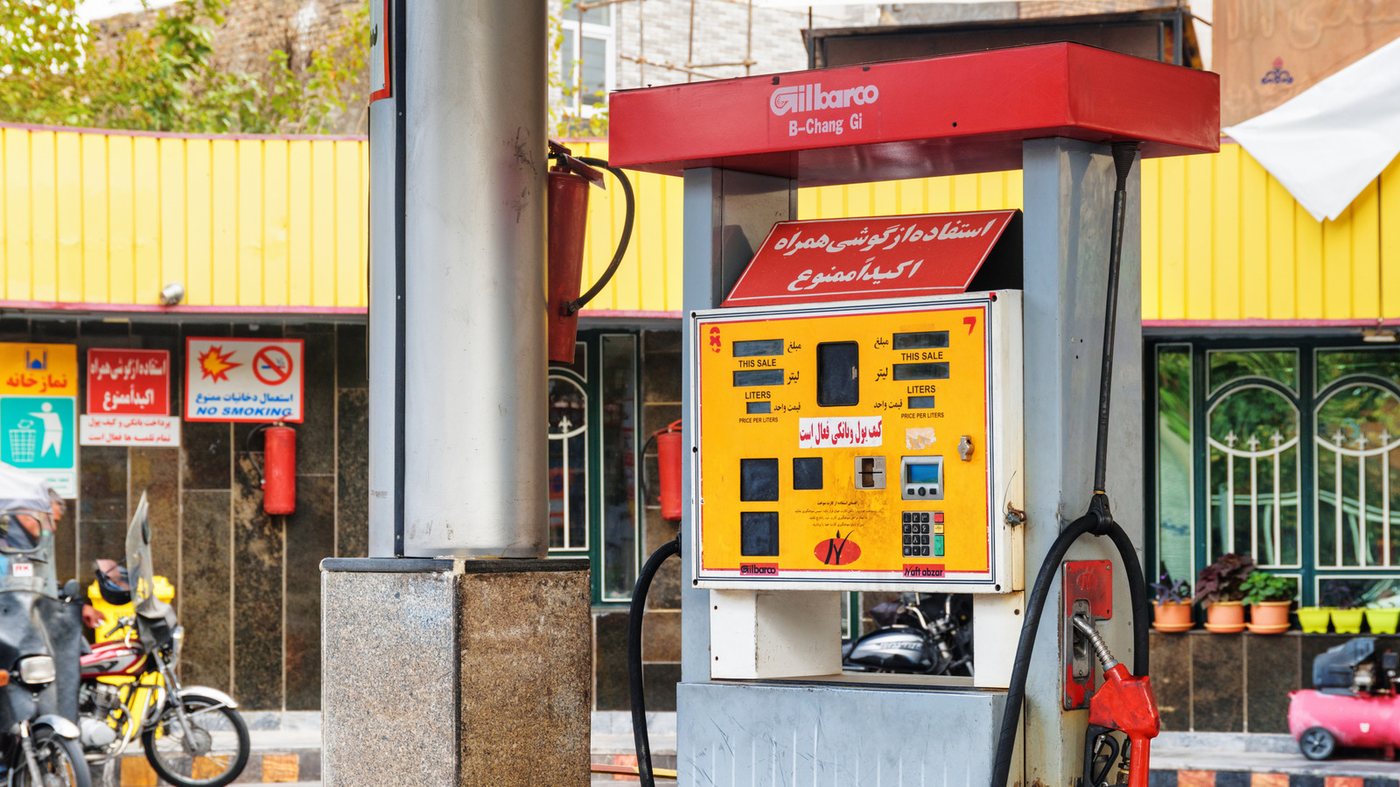
Countries Where Petrol Sells for Under $2 a Gallon
News 150
Earhart Search Team Reaches Crab-Infested Pacific Island
Politics 112
Ulle Madise becomes Estonia's new president
Sports 268
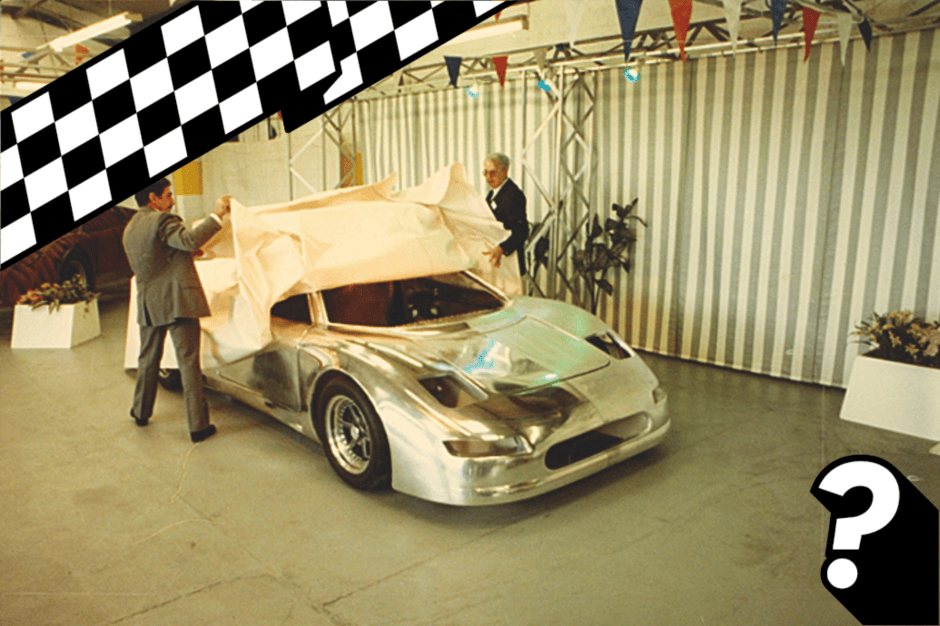
Jaguar XJ220 Named Favourite British Supercar in Reader Poll
Technology 281
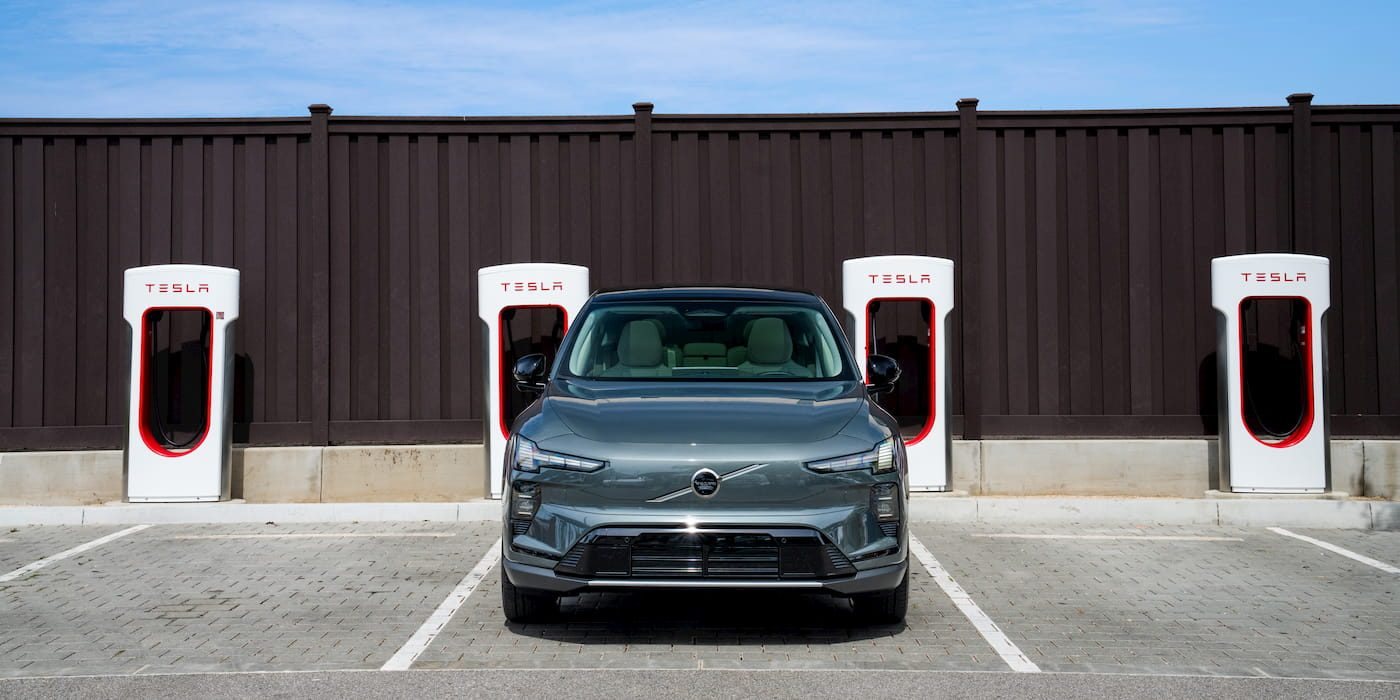
US Fast-Charging Network Passes 80,000 Ports as Tesla Raises Supercharger Prices
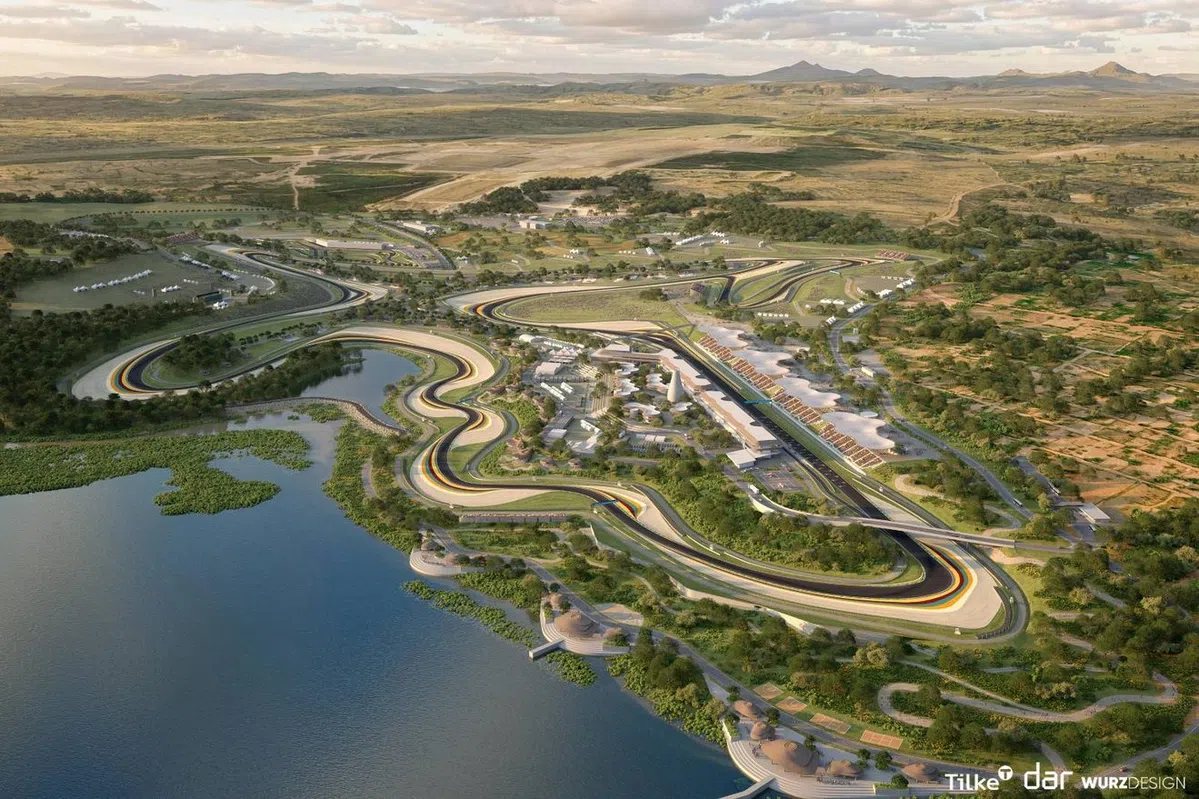
Formula 1 has signed a 10-year agreement to host a race in Rwanda, but the country lacks a Grade 1 circuit, raising questions about the viability of the deal.
By George Kensington · 5 min read
Formula 1 has confirmed that Rwanda has signed a 10-year contract to host a grand prix, but the East African nation currently has no circuit capable of staging a Formula 1 race. The announcement, which came alongside confirmation that Qatar and Abu Dhabi will close out the season, highlights the sport's growing appetite for new markets, even in regions where the necessary infrastructure is not yet in place.
The deal with Rwanda represents a significant step in Formula 1's long-stated ambition to race in Africa. The continent has been absent from the calendar since the 1993 South African Grand Prix at Kyalami. Rwanda's government has been actively courting the sport, and the agreement signals a long-term commitment. However, the absence of a Grade 1 circuit — the standard required by the FIA for Formula 1 events — means that construction or substantial upgrades to an existing facility will be necessary before any race can take place.
Formula 1's expansion into new territories has often been accompanied by concerns over human rights, political stability, and financial viability. The sport already races in Qatar and Abu Dhabi, both of which have faced criticism from human rights organisations. Rwanda, while enjoying a reputation for economic modernisation under President Paul Kagame, has also drawn international scrutiny over its human rights record and political freedoms. The confirmation of the race is likely to reignite debates about the ethical considerations of Formula 1's global expansion.
The lack of a circuit is not an insurmountable obstacle. In recent years, Formula 1 has added races in Saudi Arabia, Miami, and Las Vegas, all of which required the construction of new facilities or street circuits. The Rwandan government has previously expressed interest in building a permanent track near Kigali, and the 10-year contract provides a timeline for such a project. Nevertheless, the logistical and financial challenges are considerable. Building a Grade 1 circuit typically costs hundreds of millions of pounds and takes several years to complete.
Formula 1's commercial rights holder, Liberty Media, has prioritised expanding the sport's global footprint, particularly into Africa and Asia. The addition of a Rwandan Grand Prix would fulfil a key objective. However, the sport's existing calendar is already congested, with 24 races scheduled for the current season. Adding another event would require careful scheduling and could face resistance from teams concerned about the strain on personnel and resources.
The announcement has been met with a mixture of enthusiasm and scepticism. Supporters argue that a race in Rwanda would bring significant economic benefits, boost tourism, and inspire a new generation of African motorsport fans. Critics point to the lack of infrastructure and question whether the country can justify the enormous expenditure required to host a Formula 1 event, especially given pressing social and economic needs.
Rwanda's government has not yet released details about the proposed circuit's location, design, or funding. It remains unclear whether the race would be held on a street circuit or a purpose-built track. Formula 1 has not provided a timeline for when the race might debut, only confirming the 10-year agreement. The sport's governing body, the FIA, would need to inspect and homologate any new circuit before it could host a race.
Formula 1's push into Africa is part of a broader strategy to attract new audiences and sponsors. The sport has seen a surge in popularity in recent years, driven by the Netflix series Drive to Survive and the emergence of new stars. Africa, with its young and growing population, represents a largely untapped market. However, the success of the Rwandan race will depend on the country's ability to deliver a world-class facility and event.
For now, the confirmation of the contract is a statement of intent. It signals that Formula 1 is serious about racing in Africa and that Rwanda is willing to invest in the sport. But until a circuit is built and approved, the race remains a promise rather than a reality. The coming years will reveal whether Rwanda can turn its ambition into a viable addition to the Formula 1 calendar.
4