Business 291
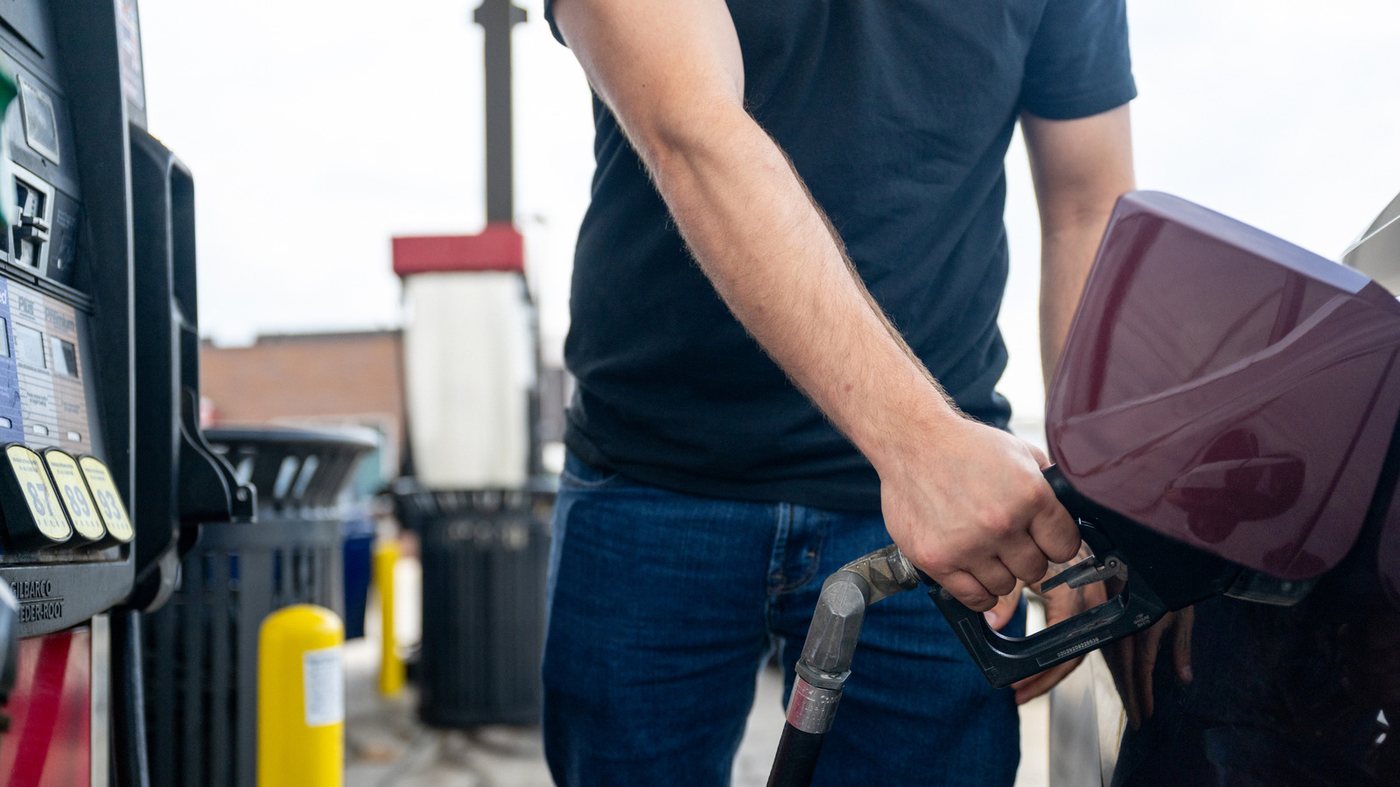
Used electric cars are selling faster than petrol and hybrid models
In this issue
Business 291
Used electric cars are selling faster than petrol and hybrid models
Culture 320
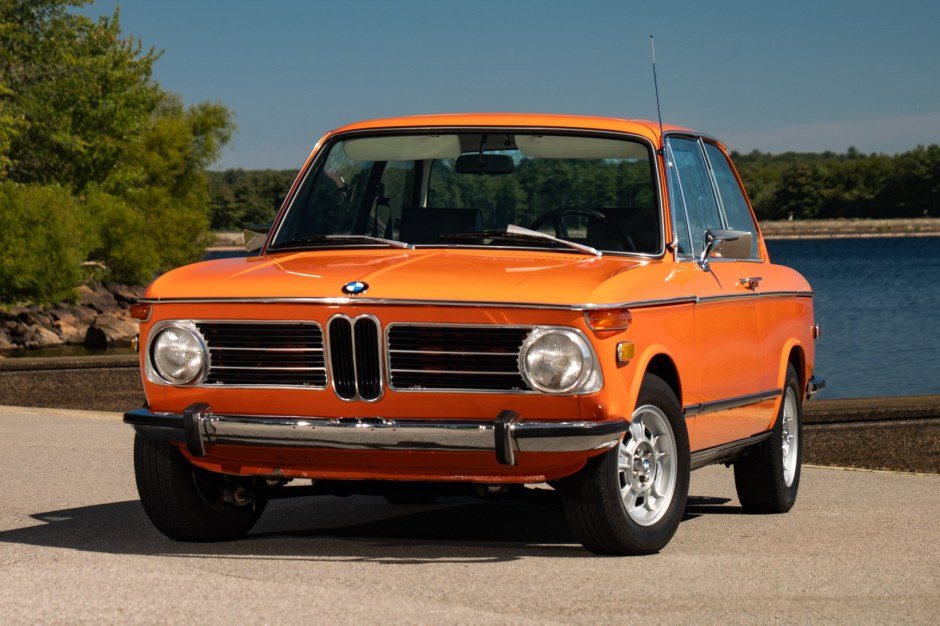
Restored 1973 BMW 2002tii offered in New Hampshire after US return from Canada
Economy 48
Three Tankers Reportedly Strike Mines in Strait of Hormuz
News 161
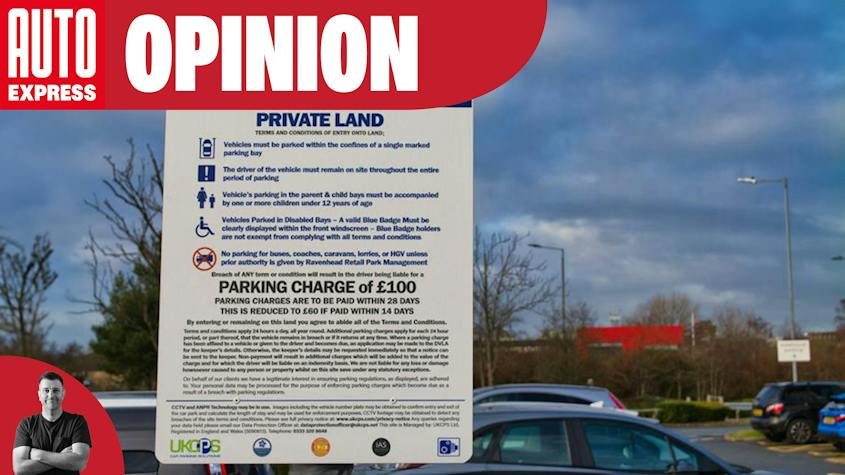
Private parking firms face pressure as UK motorists call for fairer rules
Politics 121
Burnham denies stopping ministers from discussing closer EU ties
Sports 290
Tottenham meet Crystal Palace in Premier League fixture on 31 October
Technology 347
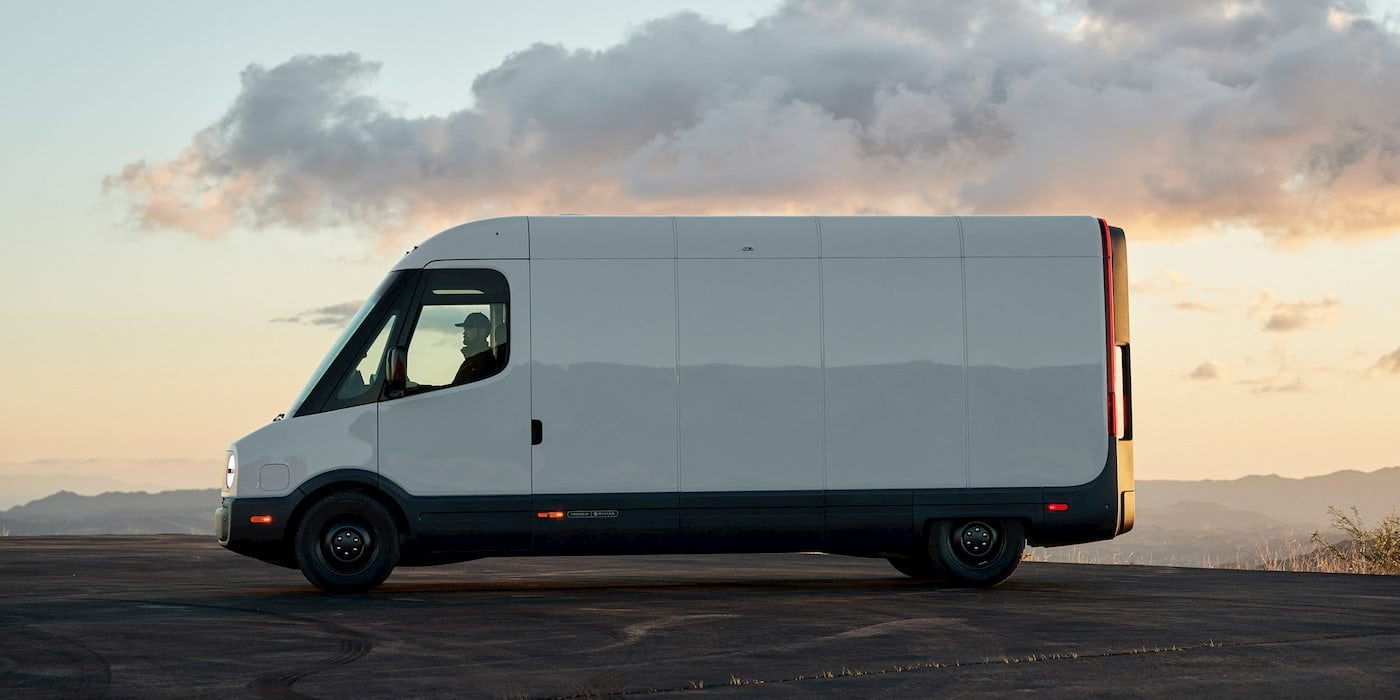
Rivian Delivers Electric Van Update With 30% More Range and AWD
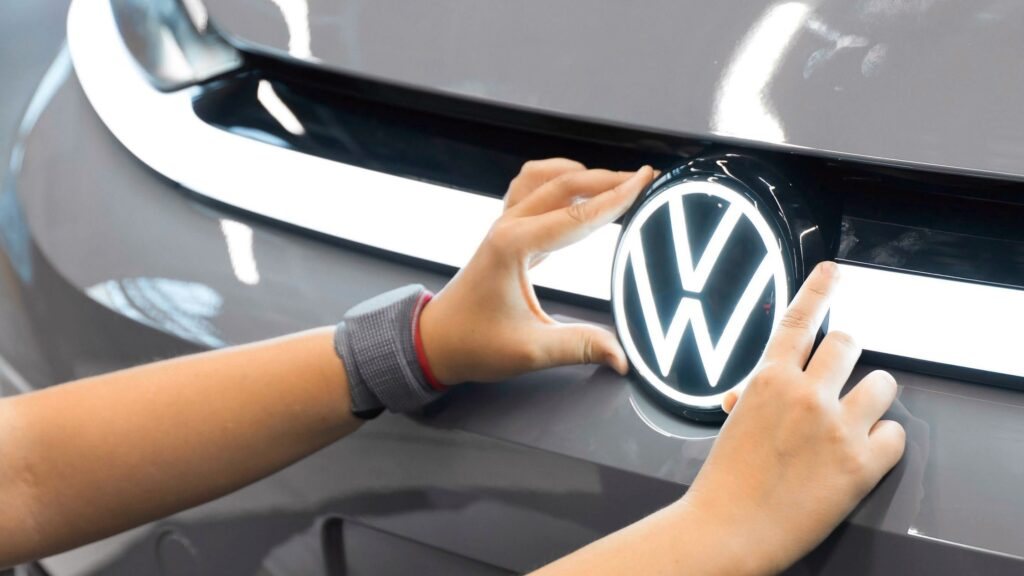
Volkswagen management is pushing forward with drastic restructuring plans that could put up to 100,000 jobs at risk and reduce annual production capacity from 12 million to 9 million vehicles. The proposals face a crucial supervisory board vote on September 4, with the state of Lower Saxony and employee representatives opposing factory closures.
By Eleanor Ellington · 3 min read
Volkswagen is heading toward a boardroom confrontation over restructuring plans that could ultimately put up to 100,000 jobs at risk, as management pushes to shrink production capacity and close multiple German factories. The automaker faces a crucial supervisory board vote on September 4 over its cost-cutting proposals, and leadership may take the fight directly to shareholders if it loses again.
CEO Oliver Blume has reportedly told employees that an additional 25,000 positions must be eliminated in Germany, on top of 50,000 job cuts already agreed across Volkswagen, Audi, and Porsche. Another 25,000 jobs could go overseas, potentially bringing the total to 100,000. Management also wants to reduce annual production capacity from 12 million vehicles to match the 9 million it actually produces, while trimming the number of model variants.
The restructuring proposal failed at Volkswagen's supervisory board in July after opposition from its 10 employee representatives and the state of Lower Saxony, which controls 20 percent of Volkswagen's voting rights. Management will essentially try again on September 4, according to Automobilwoche. If it loses again, things could get considerably messier, with leadership reportedly considering calling an extraordinary general meeting to put its plans before shareholders.
"Then things will really come to a head," one employee representative told the publication. The stakes extend well beyond the four factories management is looking at closing over the next decade. Emden and Zwickau could reportedly go in 2031, Hanover in 2032, followed by Audi's Neckarsulm facility in 2034. Together, those plants currently employ tens of thousands of people.
The pressure on Volkswagen comes from multiple directions. Weakness in China, tougher Chinese competition in Europe, and US tariffs are all piling on the strain. The German automaker's shares have struggled amid its restructuring headaches, the transition to electric vehicles, and increasingly brutal competition from Chinese manufacturers.
While Volkswagen argues internally about how much smaller it needs to become, Europe's stock market has already done a little downsizing of its own. Volkswagen is being dropped from the Euro Stoxx 50, the euro area's benchmark index, later this month, with Nokia taking the vacated seat, Bloomberg reports. The swap takes effect September 21 and leaves BMW, Mercedes-Benz, and Ferrari as the only carmakers in the index.
Getting dumped from an index is hardly Volkswagen's biggest problem — Stellantis suffered the same fate last year — but it adds a symbolic blow to a company already wrestling with fundamental questions about its future size and structure. The September 4 vote will determine whether management can push through its vision of a leaner Volkswagen or whether it must seek shareholder approval through a more contentious route.
94