Business 228
Foxconn buys half of Mitsubishi Electric's car parts unit for $727m
In this issue
Business 228
Foxconn buys half of Mitsubishi Electric's car parts unit for $727m
Culture 267
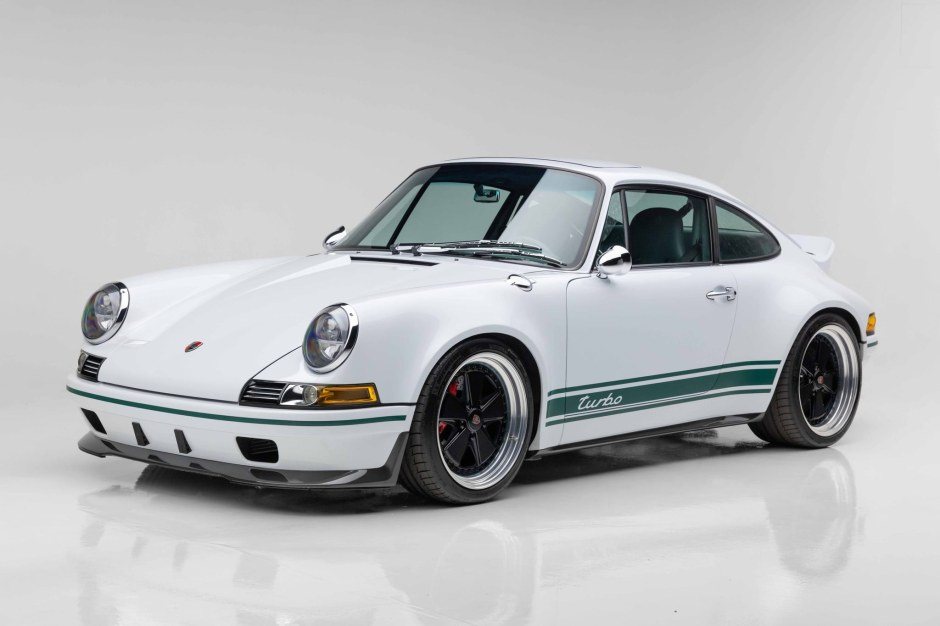
Kaege Retro's Backdated 1997 Porsche 911 Turbo Heads to Auction
Economy 41
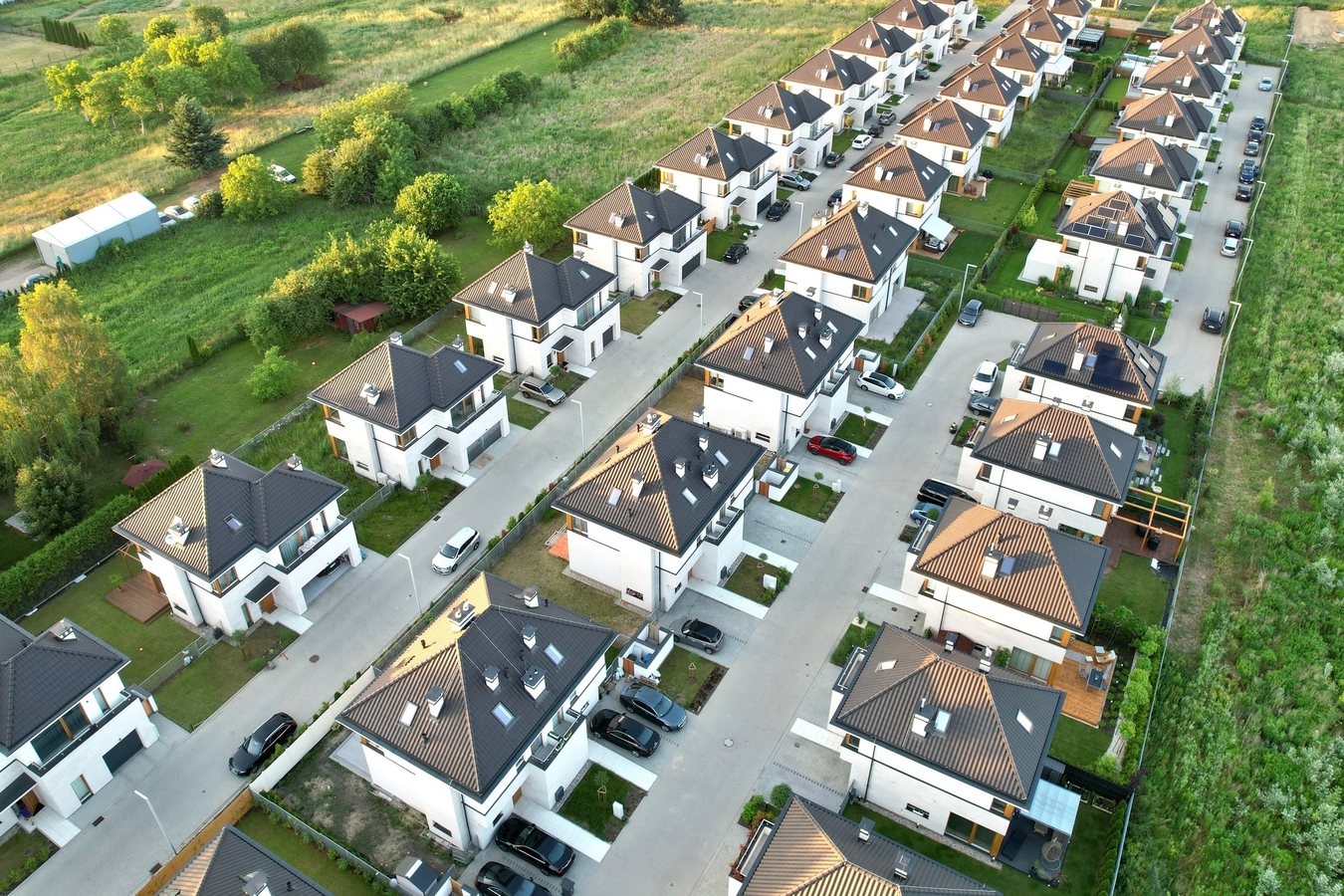
German Economists Set Income Threshold for the Upper Class
News 153
Forecasters Issue Winter Snow Verdict for the UK
Politics 115
Burnham launches crackdown on loud music on public transport
Sports 280
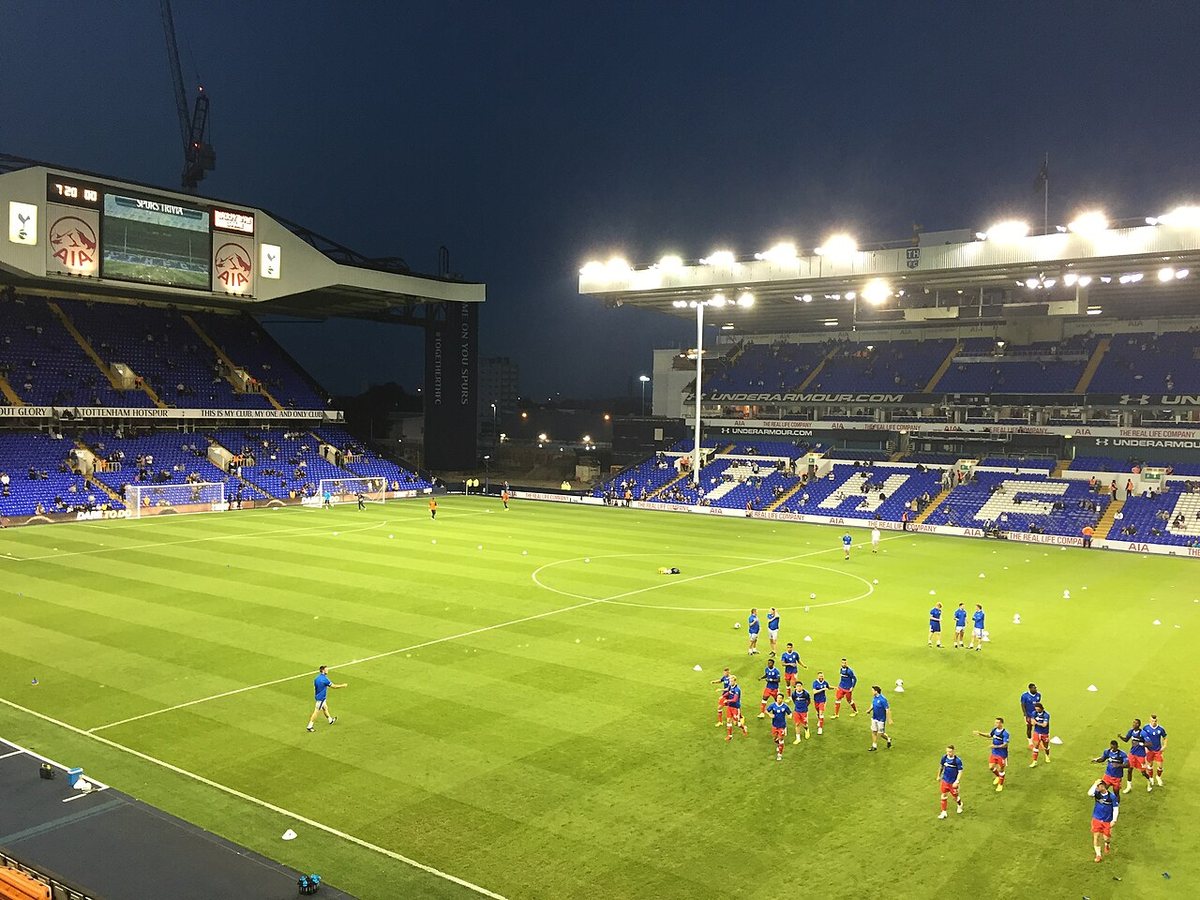
Tottenham beat Coventry as De Zerbi faces injury concerns
Technology 316
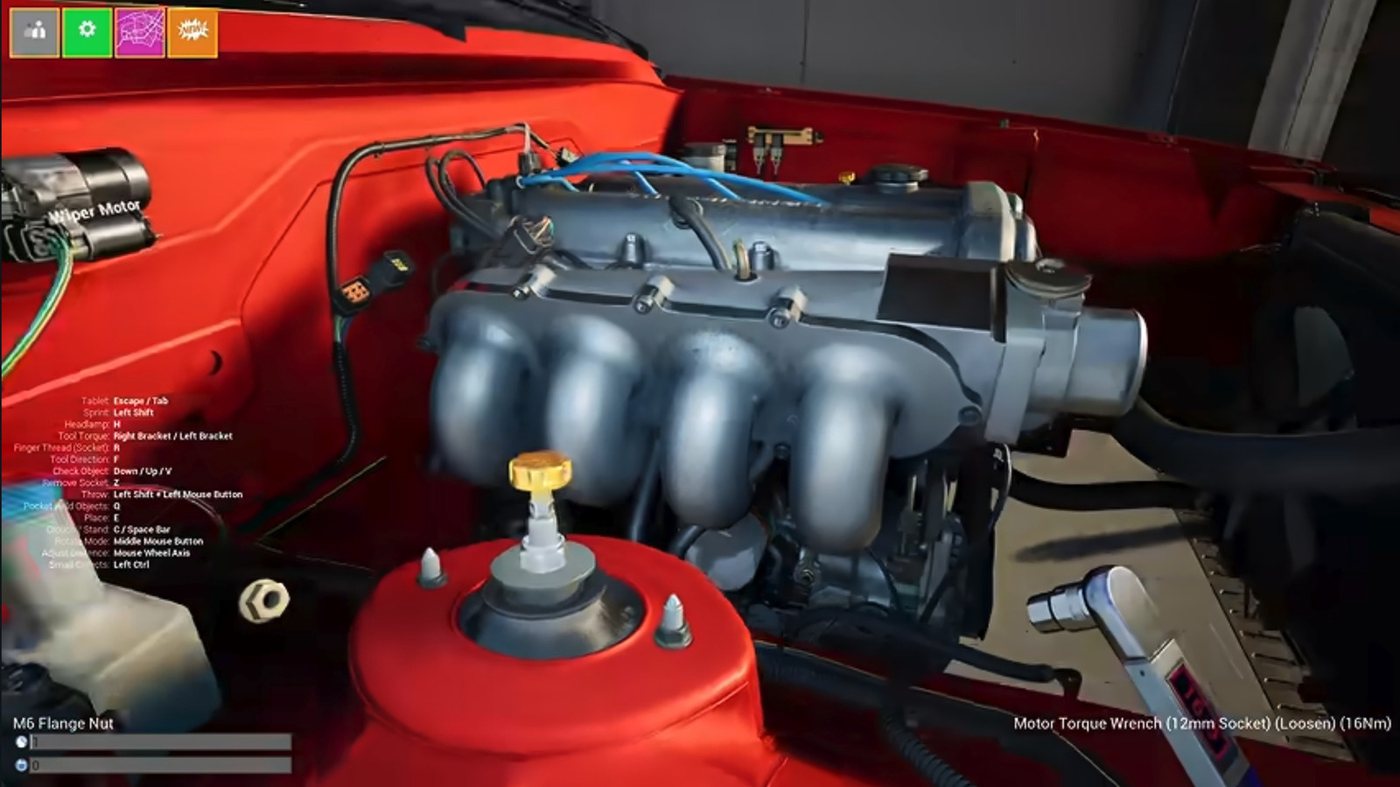
Wrench Game Offers Visual Route Into Car Mechanics
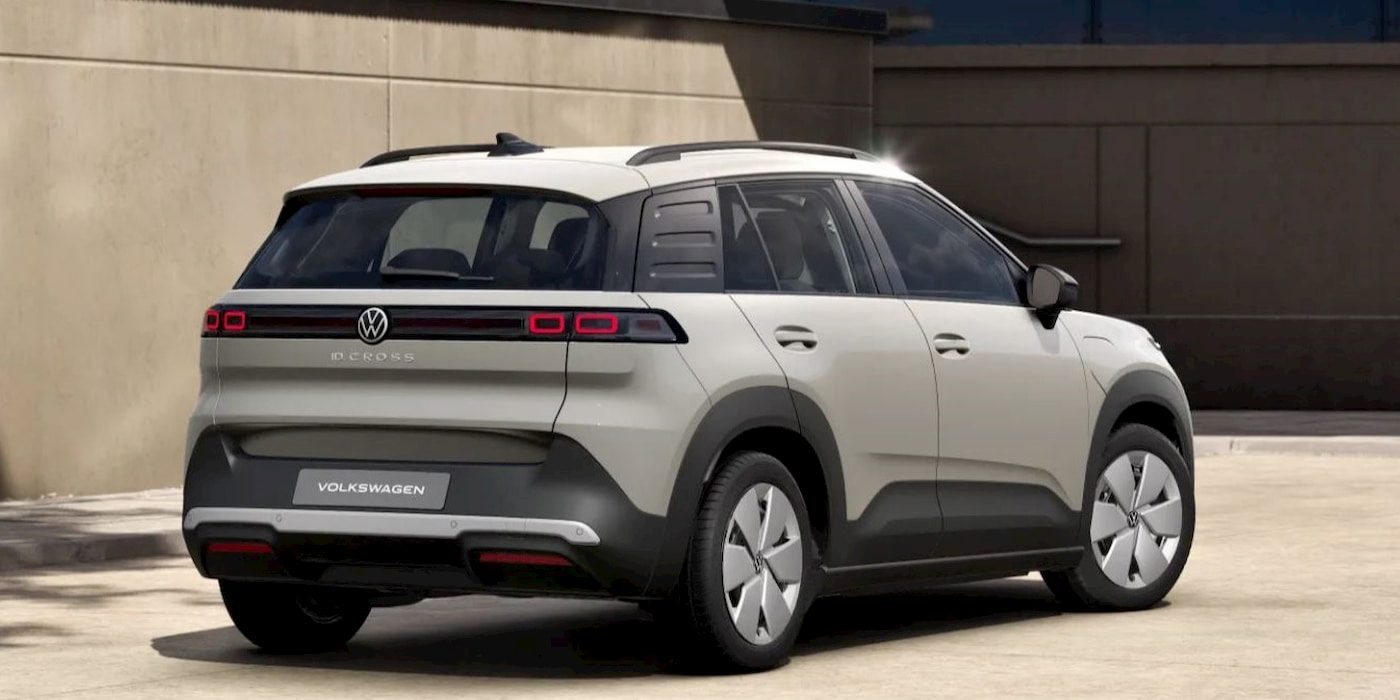
Volkswagen has begun taking orders for the entry-level ID. Cross, a 37 kWh version priced at about $31,000 (€27,995), as the brand pushes a cheaper electric model into the market.
By Charlotte Redford · 4 min read
Volkswagen has opened order books for the entry-level version of its ID. Cross, a battery-electric model priced at about $31,000, equivalent to €27,995, as the German manufacturer moves to widen the reach of its electric range with a cheaper option.
The variant is fitted with a 37 kWh battery, placing it at the bottom of the ID. Cross line-up and giving buyers a lower entry point than the larger-capacity versions that typically sit higher in the range. The move marks a step in Volkswagen's effort to compete on price in the compact electric segment, where affordability has become a central battleground for established carmakers.
Volkswagen has not disclosed further technical details in the initial announcement, including range figures, charging performance or a full specification list for the 37 kWh model. The order opening nonetheless signals that the company intends to bring the cheaper version to customers rather than reserving the ID. Cross nameplate for higher-priced configurations.
The pricing is notable because it positions the ID. Cross below many of the electric vehicles that European buyers have been offered in recent years, at a moment when manufacturers are under pressure to deliver models that can compete with lower-cost entrants from newer brands. For Volkswagen, a volume manufacturer with a large existing customer base, a sub-€30,000 starting price is a significant threshold.
The ID. Cross sits within Volkswagen's growing family of electric models, which the company has developed as part of its broader shift toward battery-electric production. The entry-level version extends that strategy by targeting buyers who might otherwise choose a smaller combustion-engined car or a rival electric model on cost grounds.
Order books opening is an early stage in the commercial process, and the company is expected to provide further details on specifications, delivery timings and market availability as the launch progresses. The €27,995 figure gives a clear indication of where Volkswagen intends to pitch the model against competitors in the compact electric class.
For British buyers, the euro-denominated price is a guide rather than a final figure, since UK pricing, specification and availability are set separately and have not been confirmed in the announcement. The model's arrival in right-hand-drive markets will depend on Volkswagen's production and distribution plans.
The launch comes as European carmakers face sustained pressure on electric vehicle pricing, with governments and consumers both focused on the cost of switching away from petrol and diesel. A cheaper ID. Cross gives Volkswagen a product to point to in that debate, though its success will depend on how the full package — range, equipment and running costs — compares with rivals.
Volkswagen's decision to open orders now also suggests the company is confident in its supply arrangements for the smaller battery pack, which is likely to be produced in higher volumes than the larger units used in more expensive versions. Volume production of a lower-cost variant is central to making electric cars more accessible across the market.
The ID. Cross entry-level model is therefore best understood as a commercial move as much as a technical one: a bid by Volkswagen to secure a place in the cheaper end of the electric market while its larger, more expensive models continue to serve buyers willing to pay more for greater range and equipment.
7