
Business 291
Used electric cars are selling faster than petrol and hybrid models
In this issue
Business 291
Used electric cars are selling faster than petrol and hybrid models
Culture 320
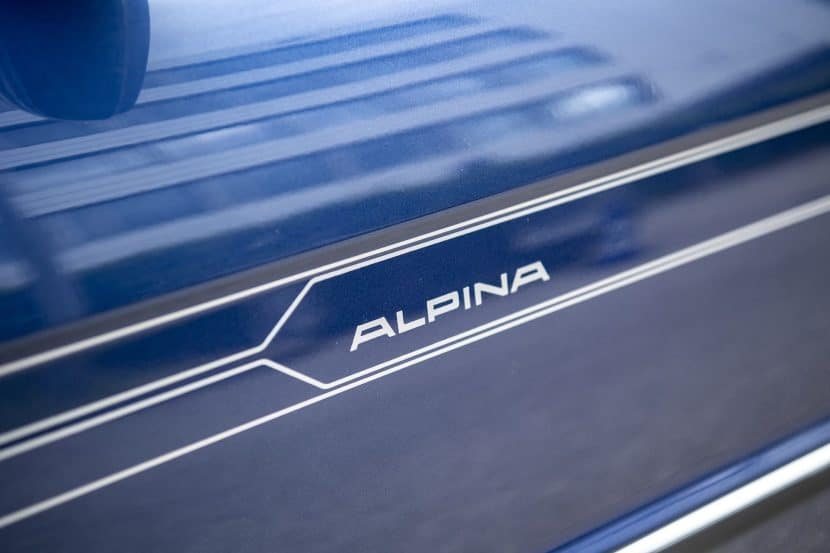
Restored 1973 BMW 2002tii offered in New Hampshire after US return from Canada
Economy 48
Three Tankers Reportedly Strike Mines in Strait of Hormuz
News 161
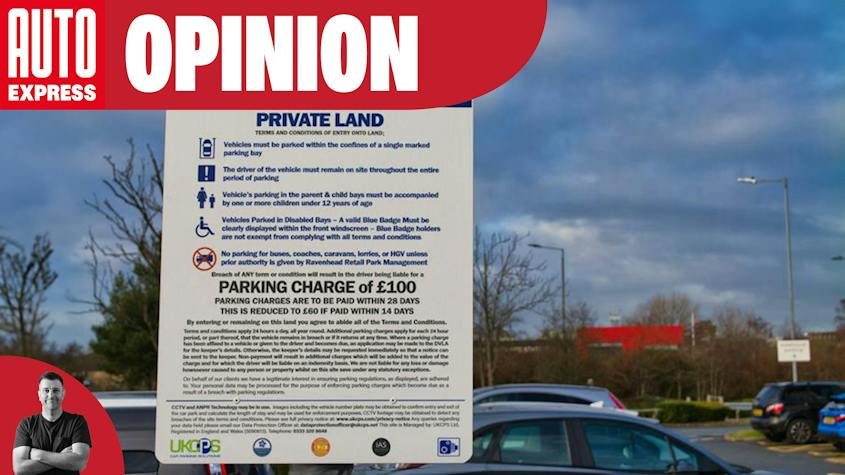
Private parking firms face pressure as UK motorists call for fairer rules
Politics 121
Burnham denies stopping ministers from discussing closer EU ties
Sports 290
Tottenham meet Crystal Palace in Premier League fixture on 31 October
Technology 347
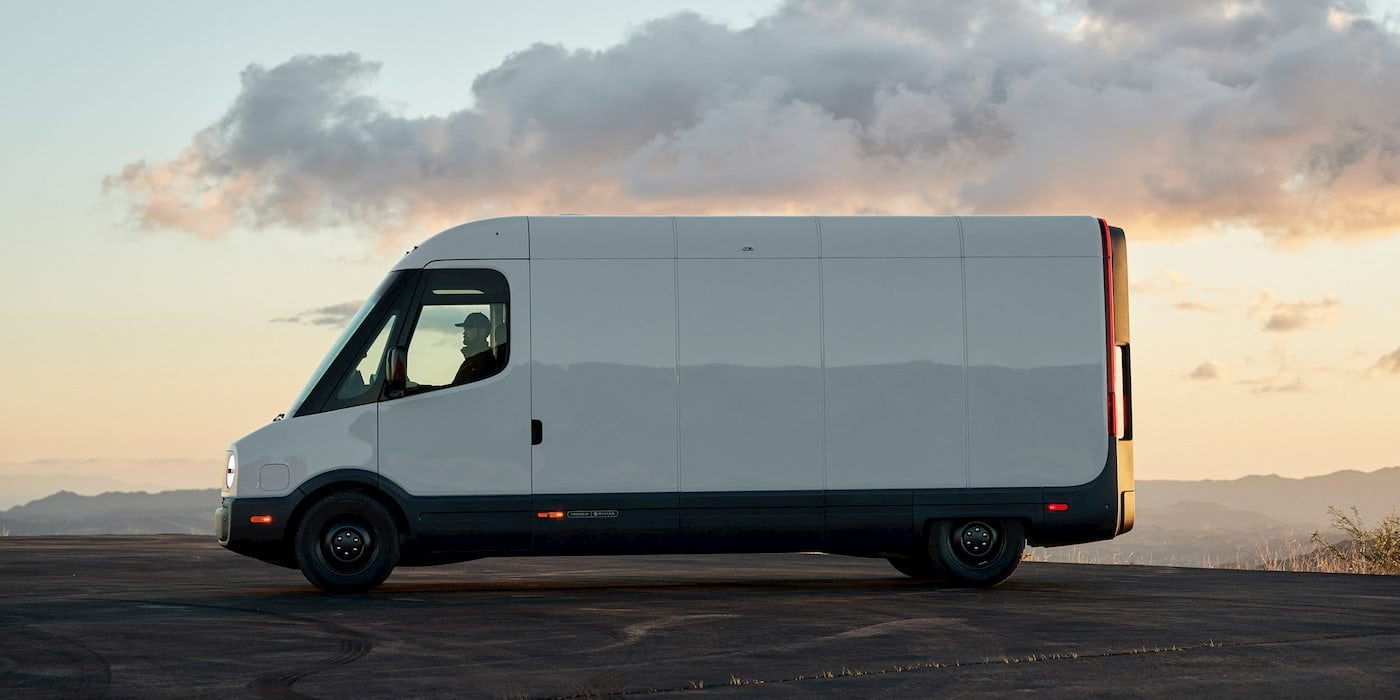
Rivian Delivers Electric Van Update With 30% More Range and AWD
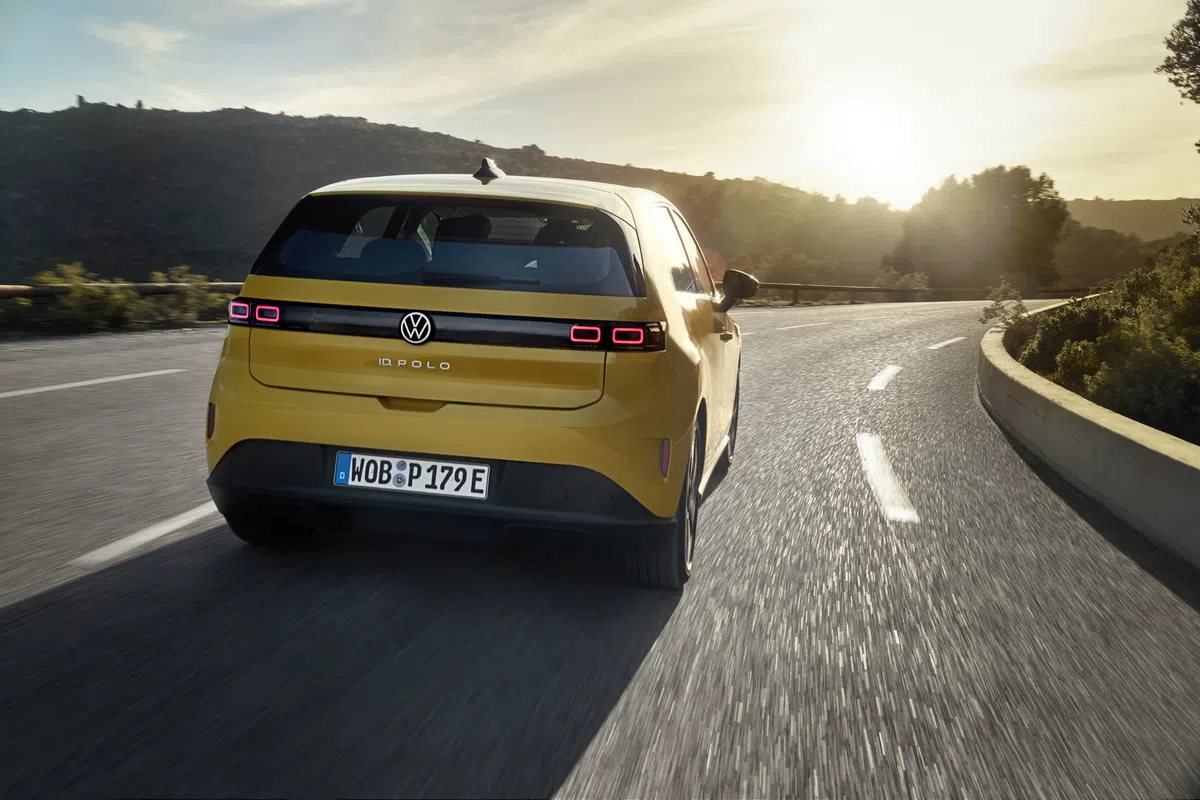
Volkswagen's approved cost-cutting plans come with a hefty price tag that exceeds the savings they generate, raising questions about the carmaker's rebuilding strategy.
By Eleanor Ellington · 3 min read
Volkswagen has taken the first steps in its restructuring, but the bill for the drastic cost-cutting measures has come in higher than the savings they are meant to deliver. The carmaker's approved plans to streamline operations and reduce expenditure are now facing scrutiny as the financial burden of implementing them appears to outweigh the expected benefits.
The approval for the restructuring package has been secured, yet the initial costs associated with the overhaul are proving to be a significant drain on the company's finances. This development raises questions about the viability of the strategy at a time when Volkswagen is under pressure to remain competitive in a rapidly changing automotive market.
The company has been grappling with the need to invest heavily in electric vehicles while managing the costs of its traditional operations. The restructuring is intended to address inefficiencies and prepare the business for a future dominated by electric and digital mobility. However, the immediate financial impact of the cuts is complicating that transition.
Volkswagen's situation reflects broader challenges facing established carmakers as they navigate the shift away from internal combustion engines. The costs of developing new technologies, combined with the need to retrain workers and retool factories, are placing enormous strain on balance sheets. For Volkswagen, the restructuring is not merely a matter of trimming budgets but of fundamentally rethinking its industrial footprint.
The carmaker has not disclosed the exact figures behind the cost overrun, but the fact that the savings are being outpaced by the expenses of the restructuring itself suggests that the road to recovery will be longer and more expensive than initially anticipated. This could have implications for future investment decisions and for the company's ability to deliver on its electric vehicle ambitions.
Volkswagen's restructuring is being watched closely by investors, employees, and competitors alike. The company is one of the largest automakers in the world, and its ability to manage this transition will set a precedent for others in the industry. The higher-than-expected costs may also intensify pressure on management to find additional savings elsewhere or to adjust the scope of the plans.
As the first steps of the rebuilding process are taken, the focus will now shift to whether the company can absorb the upfront costs without derailing its long-term strategy. The coming months will be critical in determining whether Volkswagen's bet on a leaner, more agile future will pay off, or whether the price of change proves too high.
67