Business 257
Audi investira 4 milliards de dollars dans une usine en Géorgie
In this issue
Business 257
Audi investira 4 milliards de dollars dans une usine en Géorgie
Culture 296
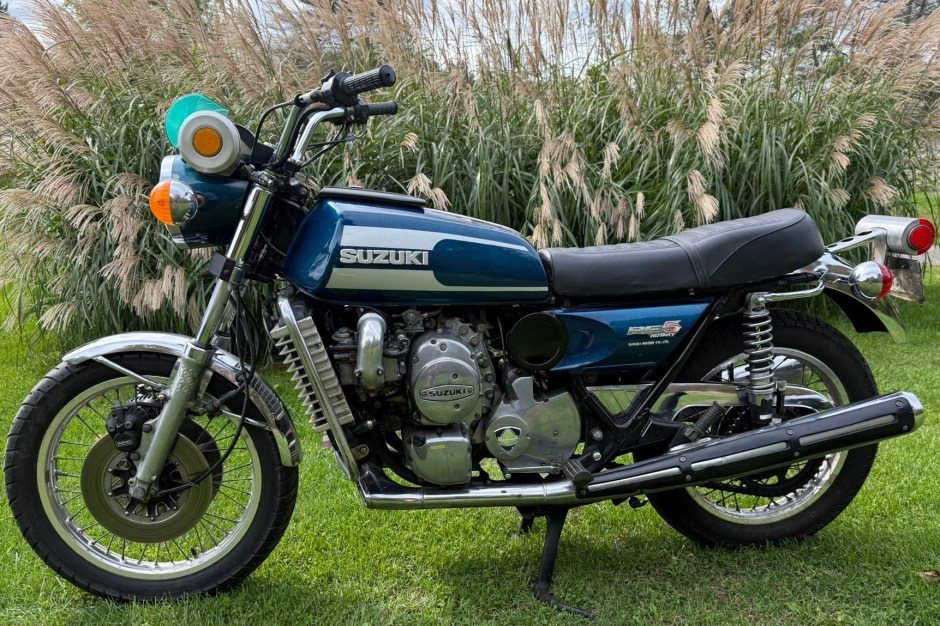
Suzuki RE5 Rotary Motorcycle From 1975 Heads to Auction
Economy 42
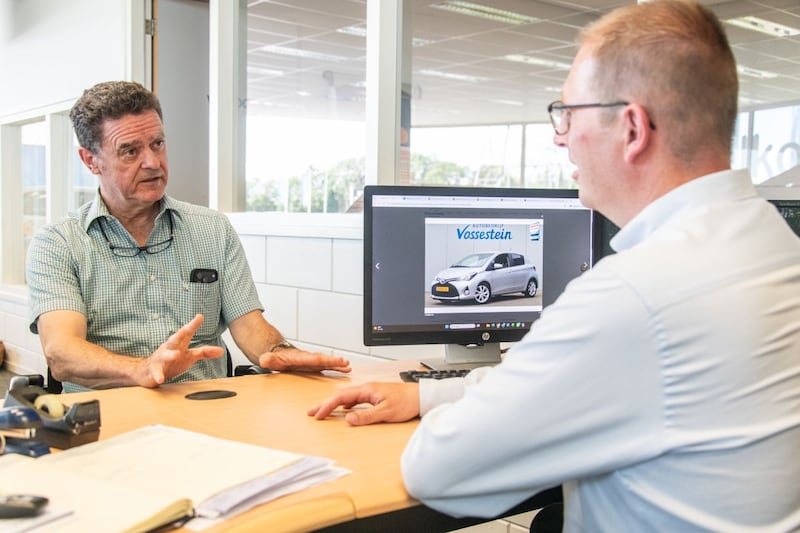
Electric driving is cheaper, but the savings depend on one factor
News 160
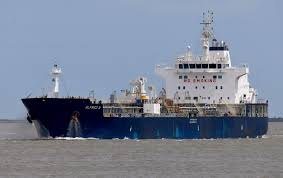
Russian-linked tanker Myra sends distress signal off Ireland
Politics 118
Cabinet ministers back Burnham’s call for EU free movement debate
Sports 286
Aston Villa and Manchester City meet in Premier League fixture
Technology 330
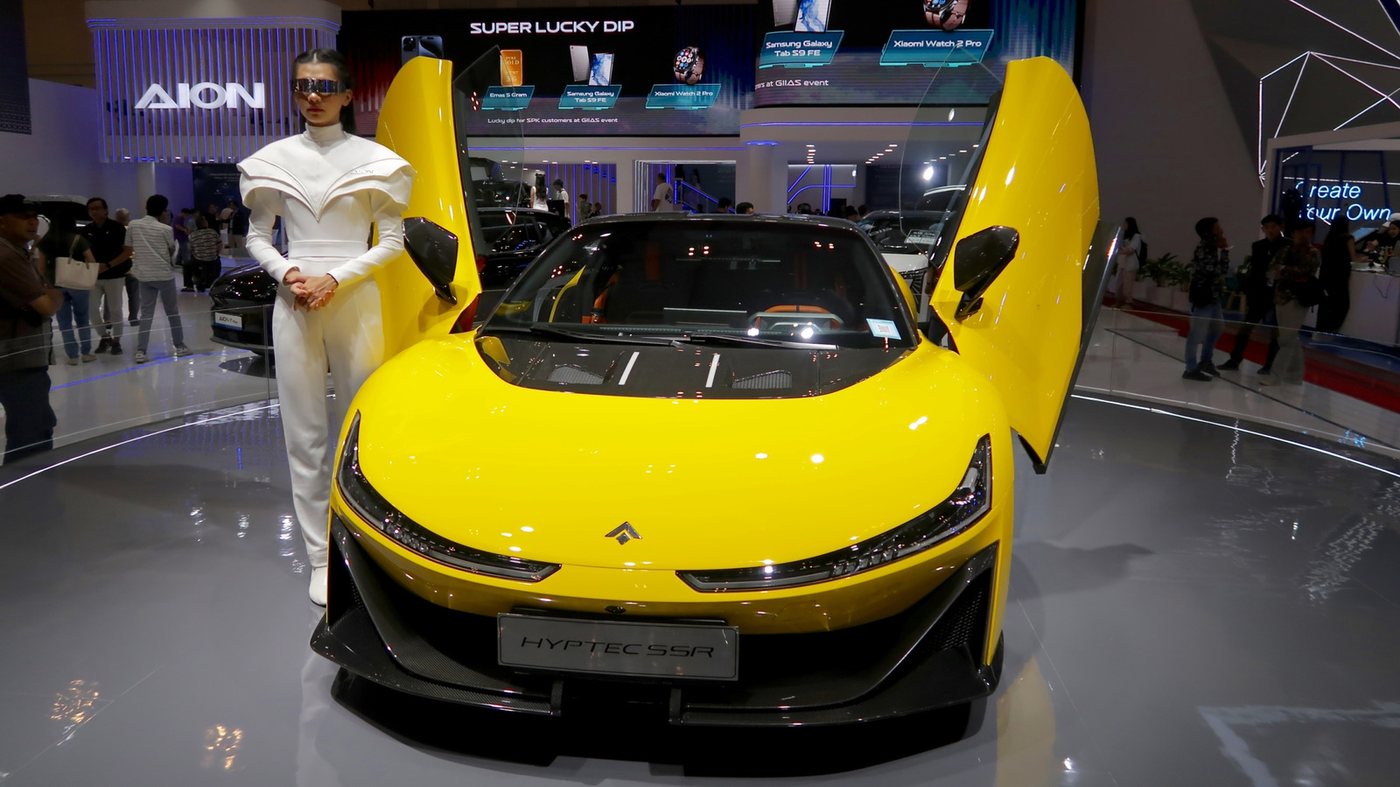
China's GAC tests four-cylinder engine running on ammonia
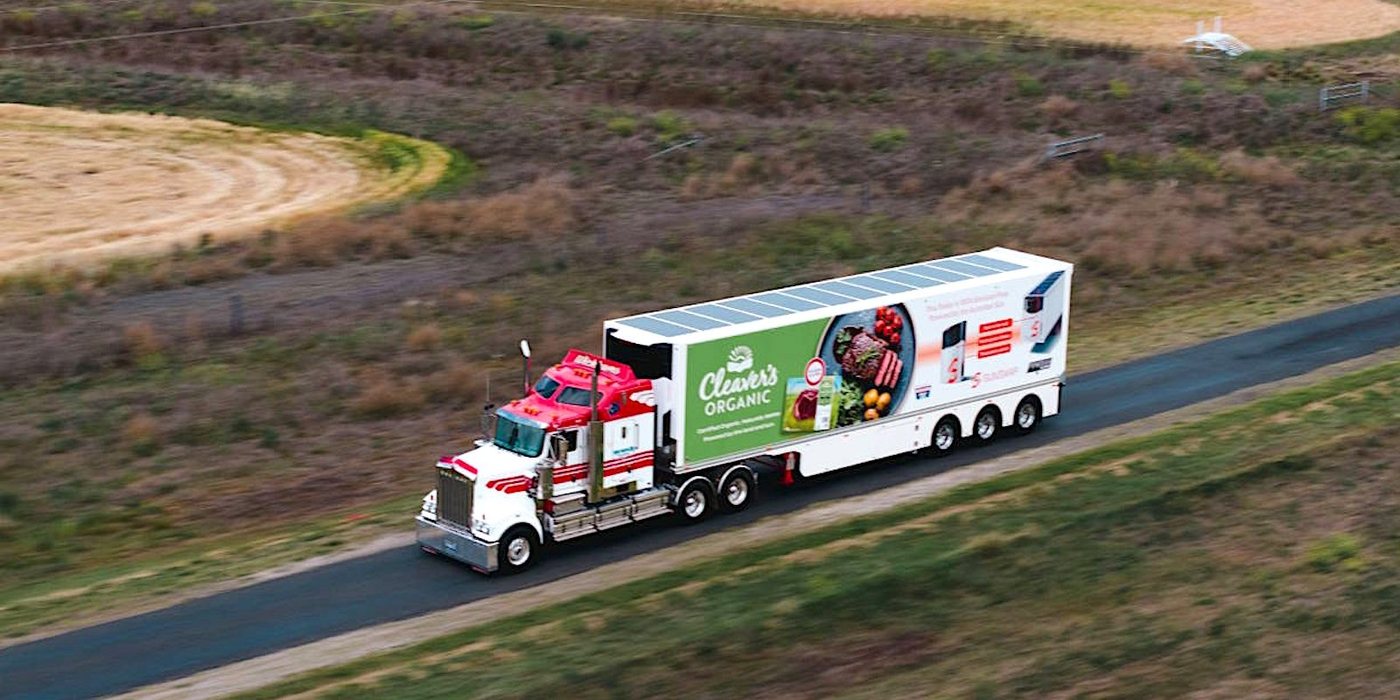
Family-owned transport firm Wickham Freight Lines has become the first customer for a regular production solar-powered electric trailer refrigeration unit in Australia, which is now on the road.
By George Kensington · 2 min read
Wickham Freight Lines has become the first customer to put a regular production solar-powered electric trailer refrigeration unit into service in Australia, with the reefer now on the road. The family-owned transport company took delivery of the unit this week, marking the first real-world deployment of the technology in the country.
Trailer refrigeration units, or TRUs, keep temperature-sensitive cargo cold during transport, and they are traditionally powered by diesel engines. The battery-electric, solar-assisted design offered to Wickham Freight Lines is intended to cut reliance on diesel for that refrigeration work, which is why the delivery is being presented as a step forward for the road freight sector.
The source material for this report is limited, so the details available are confined to the delivery itself. The unit is described as a revolutionary reefer, and the customer is a family-owned operator with a established presence in the transport industry. Further information on operating costs, fleet numbers or the performance of the unit in service was not included in the reporting.
The development also sits within a wider shift in commercial transport toward electrification. Across the industry, operators are looking for ways to lower fuel use and emissions while keeping cold chains reliable, and first commercial customers such as Wickham Freight Lines provide an early indication of how the equipment performs outside test conditions.
5