Business 255
BMW Will Drop the Split Tailgate on the Next X7, a Source Claims
In this issue
Business 255
BMW Will Drop the Split Tailgate on the Next X7, a Source Claims
Culture 293
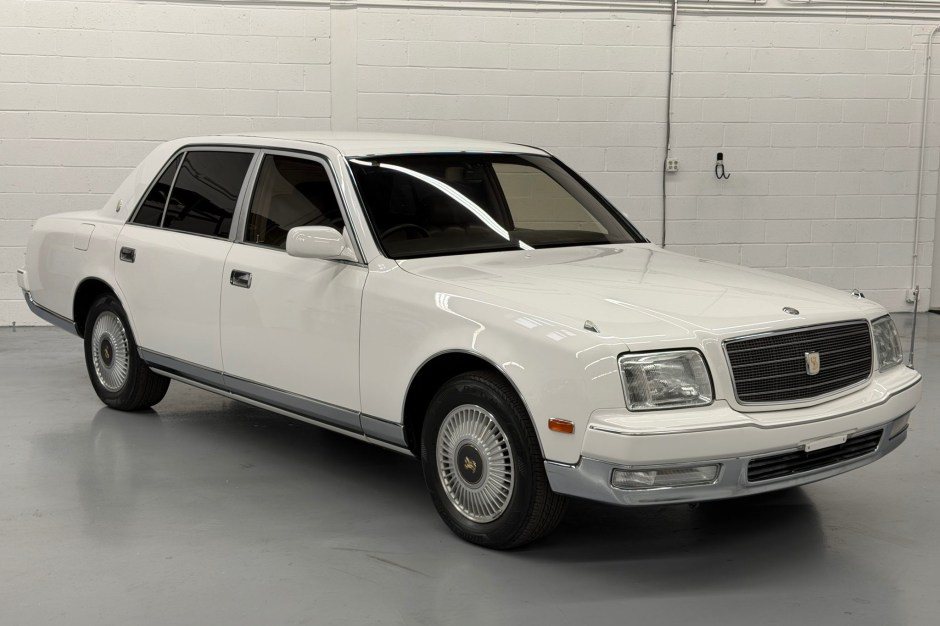
Toyota Century V12 luxury sedan goes to auction with no reserve
Economy 42
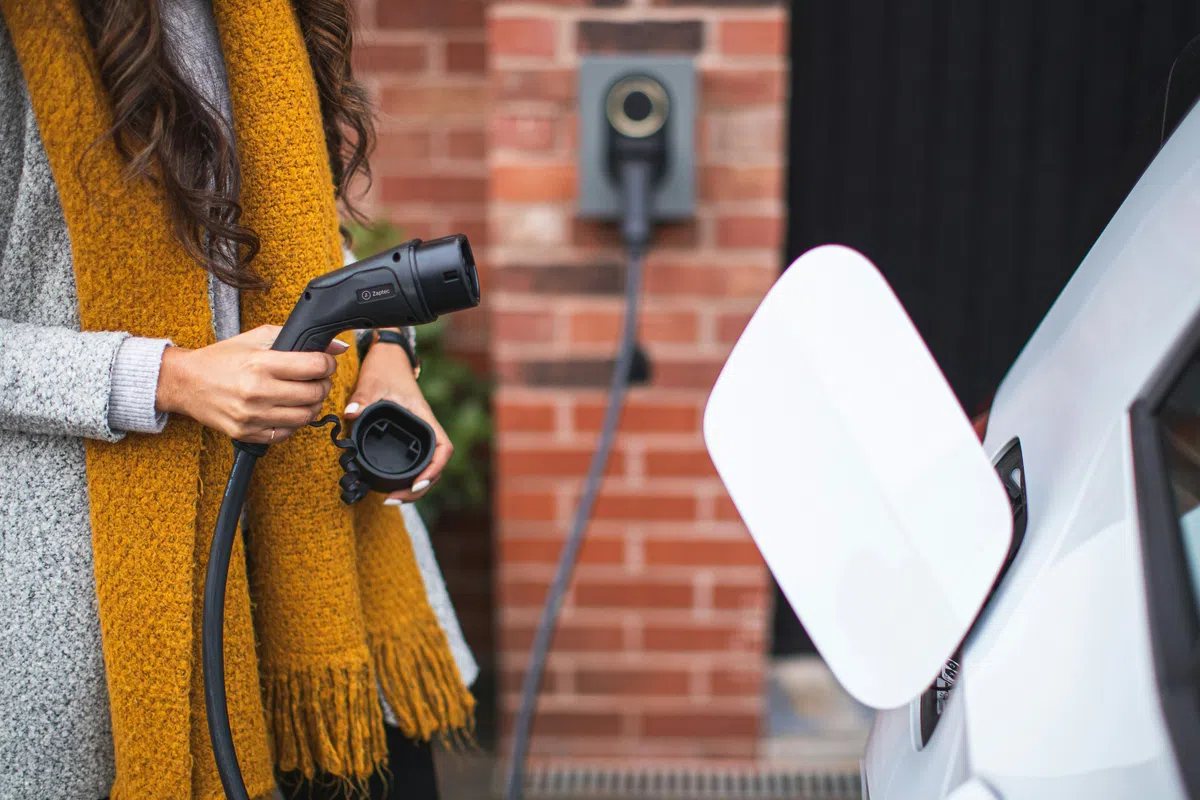
Electric driving is cheaper, but the savings depend on one factor
News 159
Orionid meteor shower set to peak with fast, bright fireballs
Politics 115
Burnham launches crackdown on loud music on public transport
Sports 286
Aston Villa and Manchester City meet in Premier League fixture
Technology 328
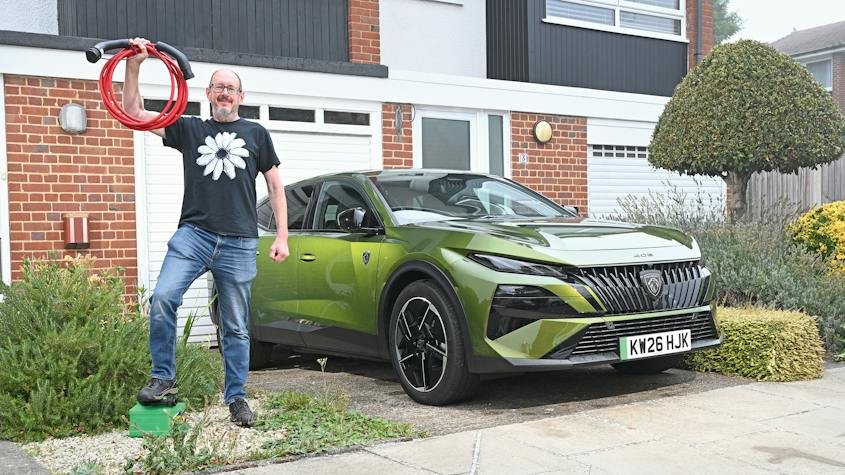
Peugeot E-408 GT Premium gets a long-term test in Auto Express photos
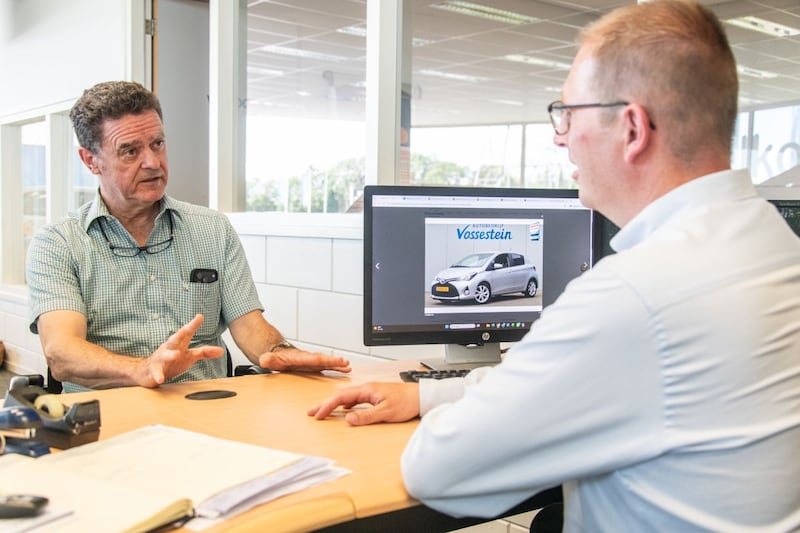
Negotiating over a used car can feel intimidating, but a former police negotiator and experienced dealers say preparation, rapport and patience are the keys to a better price.
By George Kensington · 5 min read
Negotiating is an inseparable part of buying a car, yet many buyers of used vehicles dread the process. Heidi Nieboer, 58, spent more than twelve years as a police negotiator, dealing with hostage situations, kidnappings and suicide attempts. She describes negotiation as a conversation between two people who share a common goal but have different interests. In the case of a used car, both sides want the sale to happen, but the seller wants to earn as much as possible while the buyer wants to pay as little as possible.
Many buyers find the prospect stressful. They wonder what the seller will say, how to avoid being pulled into a pressure tactic and whether a lower offer will make them look unreasonable. Corné den Boer, who has worked for nineteen years as a sales adviser at the car dealership Vossestein in Nieuwer ter Aa, says he negotiates every day and sees it as a contest in which both parties try to secure a good deal. He says he actually enjoys it when customers try, even if they feel uneasy about it. Sweaty palms and nerves are normal, Nieboer adds, because disagreeing with someone is inherently tense.
Nieboer stresses that negotiation is ultimately about the relationship between the two people involved. She advises starting the conversation by finding a point of connection, such as a painting on the wall or a photo on the desk, to ease tension and build a relaxed rapport. She also recommends asking the seller for help rather than pretending to know everything about cars. People tend to respond favourably when they are asked for assistance, and conceding a small point can encourage the other party to give something back in return.
Den Boer is open about the commercial side of his job. He says his task is to sell as many vehicles as possible at the best achievable price, and that he also tries to sell extras such as a service package, a towbar or financing. That, he says, does not mean he is willing to do anything to close a sale. For buyers, the message is that the seller is pursuing a margin, and the buyer is entitled to pursue one too.
Car broker Harry Habraken, 67, has spent much of his career in the trade, including 35 years as a lecturer in automotive technology at the IVA. He says experienced sellers rarely surprise him and that buyers should be careful about revealing how much they want a particular vehicle. Saying that you are looking for a specific model, with a particular sunroof or specific wheels, signals that you are unlikely to walk away, which weakens your position. Showing too much enthusiasm can have the same effect. Habraken admits that, in his view, a small white lie can sometimes be justified to conceal your interest, and says sellers use similar tactics.
A common tactic is the claim that the seller must first consult a manager. Habraken explains that this is often a way to create a pause and prevent the buyer from feeling they gave in too easily. Buyers can use the same approach by taking time to think, stepping outside, or even visiting another dealer offering the same car. He sees no reason for embarrassment on either side. Making a low offer is not shameful either, he argues, since sellers also ask high prices without any sense of shame.
According to Habraken, there is generally more margin, and therefore more room to negotiate, on used cars. Many are bought cheaply from leasing companies or auctions, or come from private owners who may not know their vehicle's true value. Cars imported from Germany can also carry a relatively large margin, because prices there tend to be lower. He adds that a car of one brand is often cheaper when offered by a dealer of another brand. His core advice is preparation: research the vehicle you want, check its market value, and find out how long it has been advertised, since the longer a car has been for sale, the more willing the seller is likely to be to move on the price.
6