Business 129
GM Confirms 8.3-Litre Duramax Mongoose Diesel for 2027 Silverado HD and Sierra HD
In this issue
Business 129
GM Confirms 8.3-Litre Duramax Mongoose Diesel for 2027 Silverado HD and Sierra HD
Culture 132
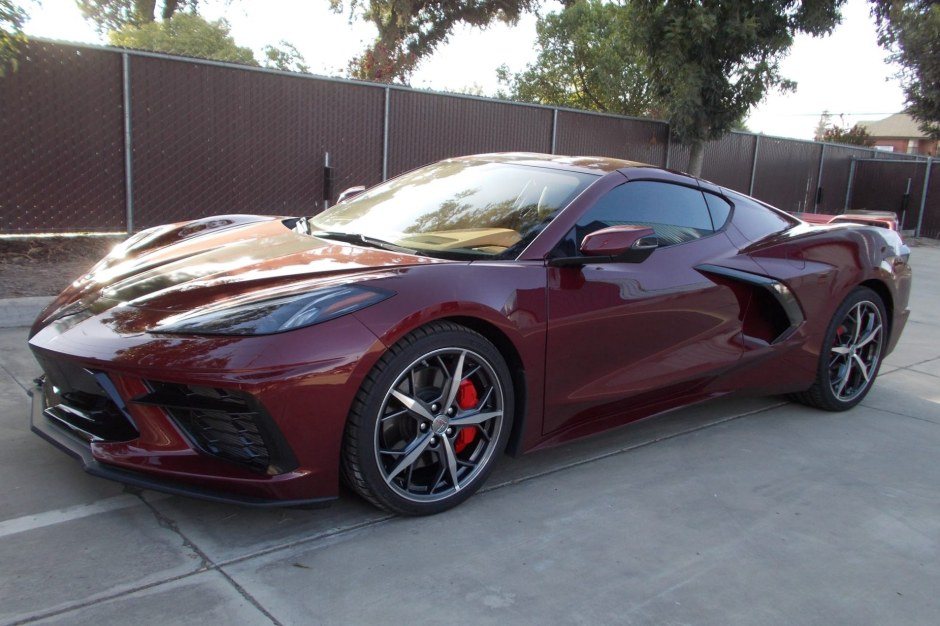
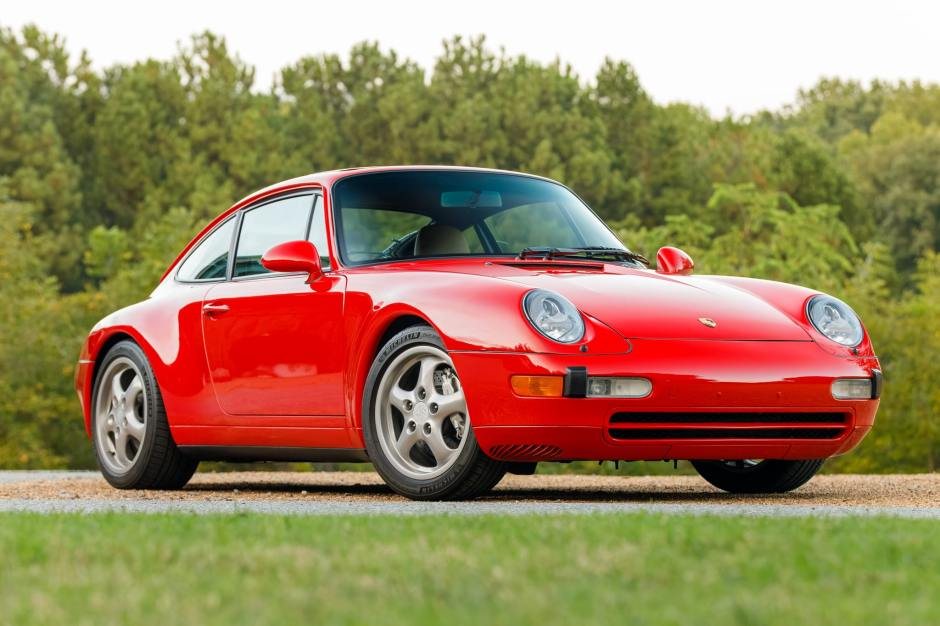
Low-Mileage 2020 Chevrolet Corvette Stingray C8 Heads to Auction
Economy 32
Oil Prices Fall Again but Stay at High Levels
News 129
Oil Conflicts Disrupt Global Supply as Electric Cars Remain Unaffected
Politics 106
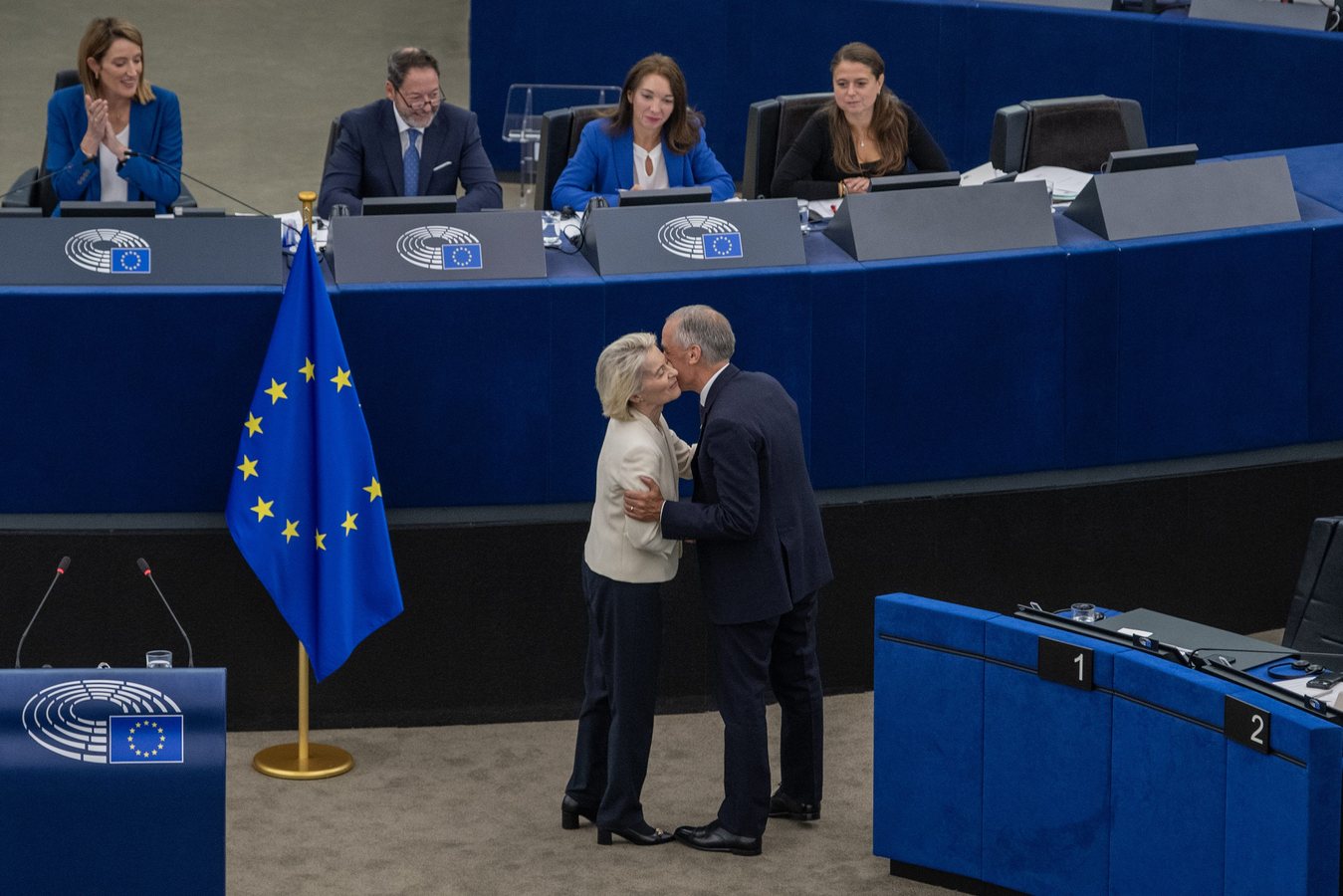
Canada Moves Closer to EU as First Associate Member
Sports 241
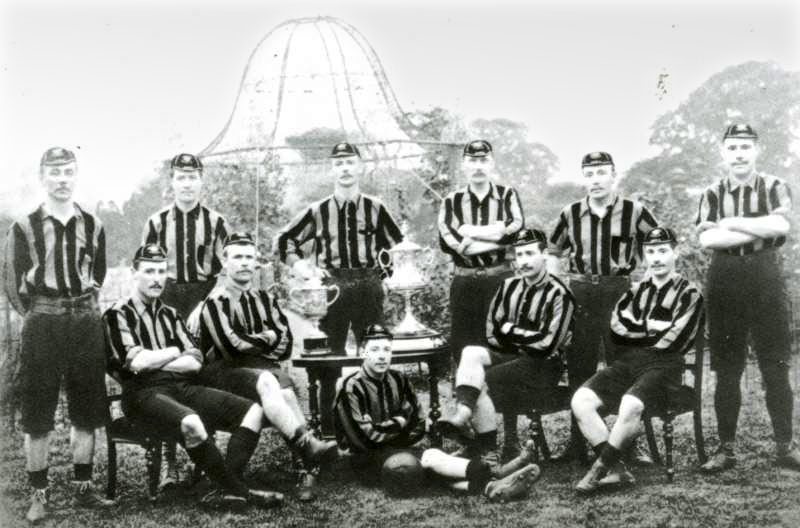
Wolves to Host West Brom in Championship Clash
Technology 146
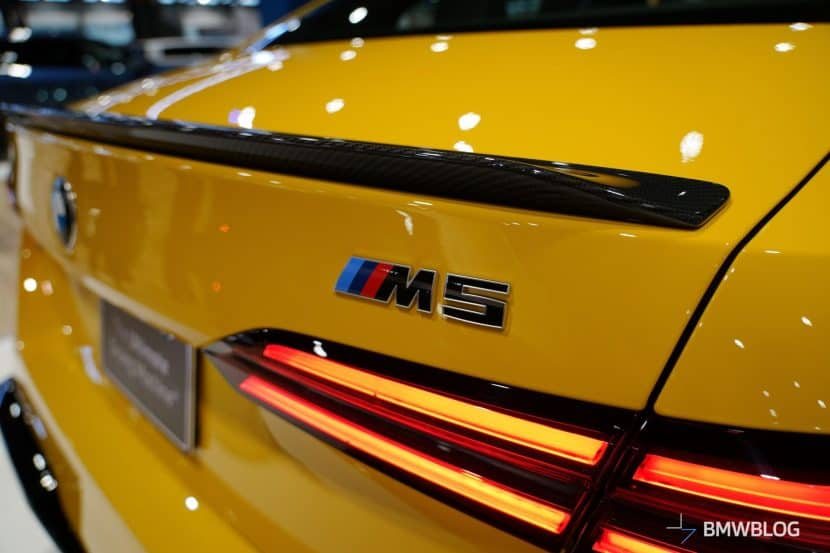
BMW Tests Facelifted M5 at the Nürburgring Ahead of 2027 Production
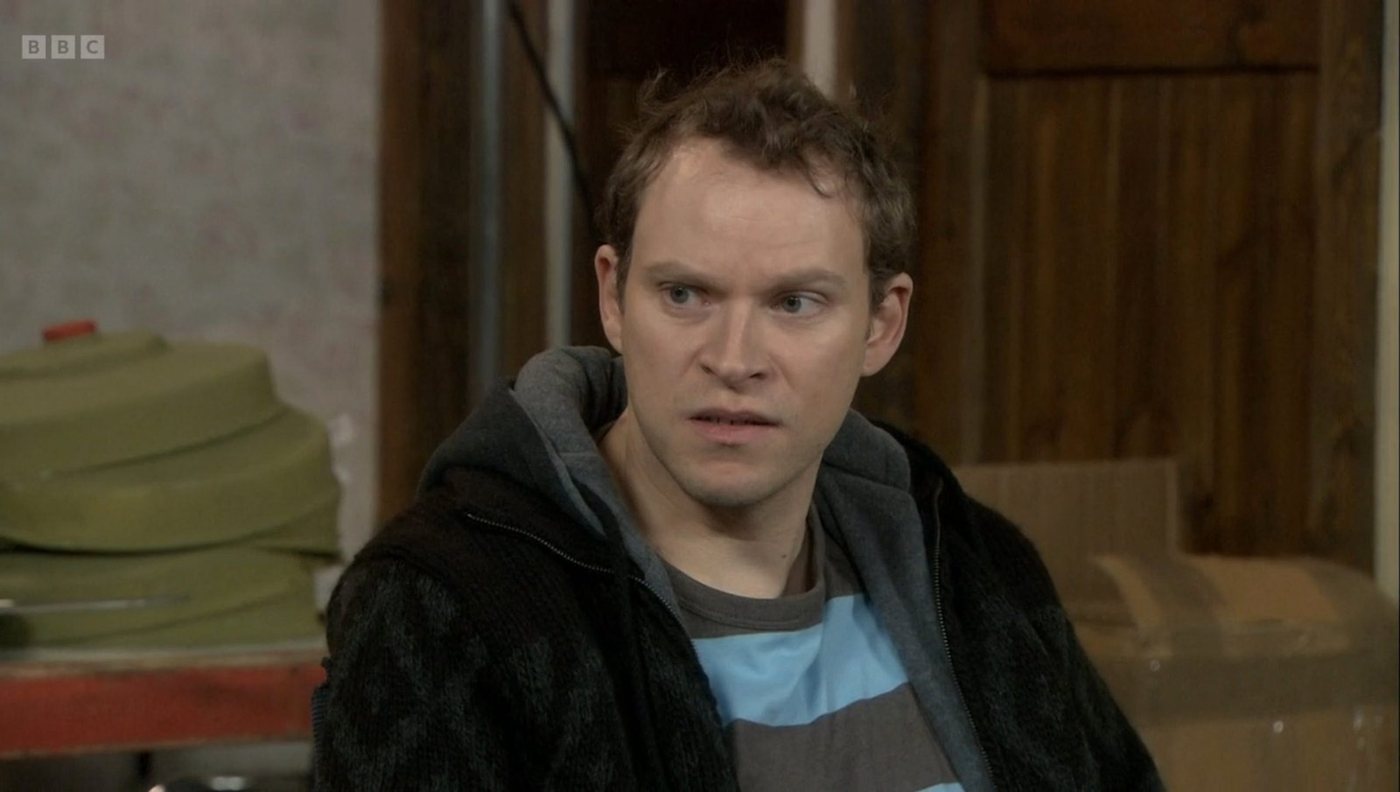
The BBC has confirmed that eleven sketches from Mitchell and Webb's comedy series have been taken down from iPlayer, though the full versions remain available elsewhere.
By George Kensington · 4 min read
The BBC has confirmed that eleven comedy sketches featuring David Mitchell and Robert Webb have been removed from iPlayer, the corporation's streaming service. The sketches, which originally appeared in the duo's television series, are no longer available on the platform in their original form.
The removal follows scrutiny of material that mocked racism and featured blackface. According to reports, the sketches in question included scenes in which the comedians appeared in blackface, as well as material that satirised racist attitudes. The BBC has not issued a detailed public statement on the specific reasons for each cut, but the corporation has acknowledged that the episodes now on iPlayer differ from their original broadcast versions.
The full, uncut versions of the sketches remain available on other platforms, including DVD releases and third-party streaming services. This means viewers who want to see the complete episodes can still do so, even though the BBC's own on-demand service no longer carries them in their entirety.
The decision has prompted debate about how broadcasters handle archive comedy that touches on sensitive subjects. Mitchell and Webb's work, particularly their sketch show and the sitcom Peep Show, is widely regarded as a cornerstone of British comedy from the 2000s. Some of their sketches used satire to expose prejudice, but the use of blackface — even in a satirical context — has become increasingly unacceptable in recent years.
The BBC has faced similar questions before over older programmes that contain material now considered offensive. In many cases, the corporation has chosen to add warnings, edit content, or remove titles from its streaming platforms. The approach reflects a broader shift across the media industry, where streaming libraries are treated differently from physical archives and broadcast repeats.
Critics of such removals argue that editing or hiding historical comedy risks sanitising the past and limiting audiences' ability to understand how attitudes have changed. Supporters say that platforms have a responsibility not to amplify material that could cause harm, particularly when it is easily accessible without context.
The Mitchell and Webb sketches were originally broadcast during the 2000s, a period when blackface still appeared occasionally in British comedy. Since then, public and industry attitudes have shifted sharply, and such portrayals are now widely condemned. The BBC's decision to remove the sketches from iPlayer, rather than simply flagging them, suggests the corporation is taking a cautious approach.
For now, the episodes remain available in their uncut form elsewhere, meaning the comedy itself has not disappeared. But the version offered by the BBC — the country's main public service broadcaster — no longer includes the eleven sketches. The corporation has not indicated whether the cuts are permanent or whether the material might return in a different form.
The story has drawn attention because it touches on two ongoing debates: how institutions should handle problematic material from their own archives, and what responsibility streaming platforms have when they make decades-old content available to new audiences. Mitchell and Webb themselves have not commented publicly on the removals.
6