Business 203
Seven Cars With Lease Deals Under £300 a Month
In this issue
Business 203
Seven Cars With Lease Deals Under £300 a Month
Culture 234
Golden Era Honda Collection Heads to Auction
Economy 38
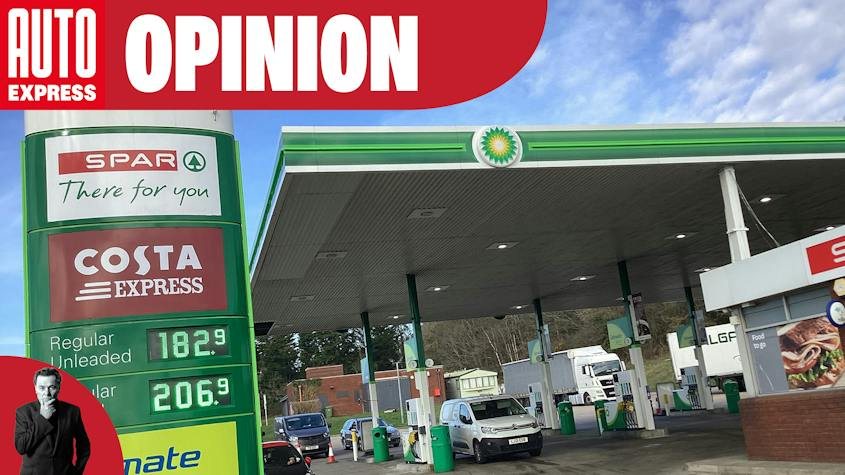
Diesel at Nearly £11 a Gallon Prompts Calls for VAT Cut at the Pumps
News 149
Weekly Exercise Linked to Slower Memory and Movement Decline in Parkinson's Patie…
Politics 111
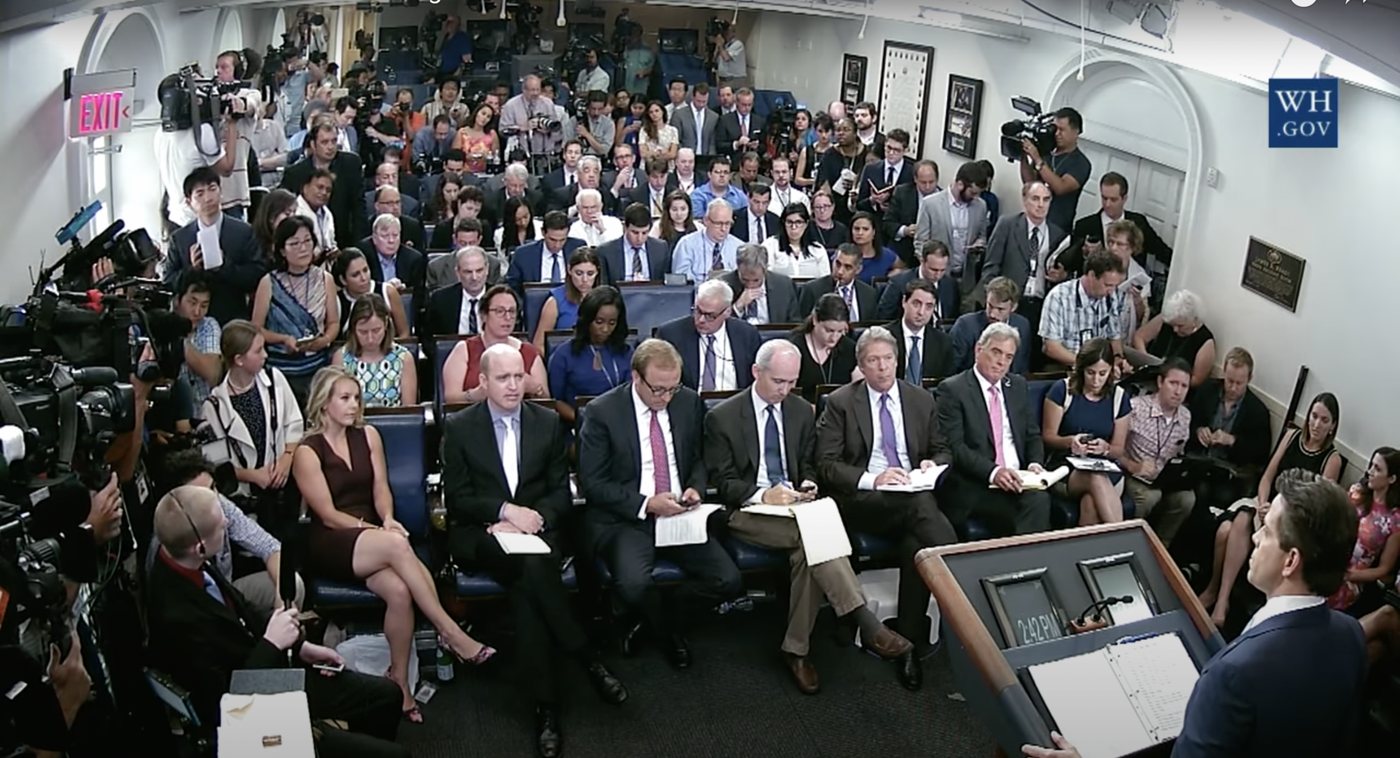
Trump Names Katie Zacharia as White House Press Secretary
Sports 266
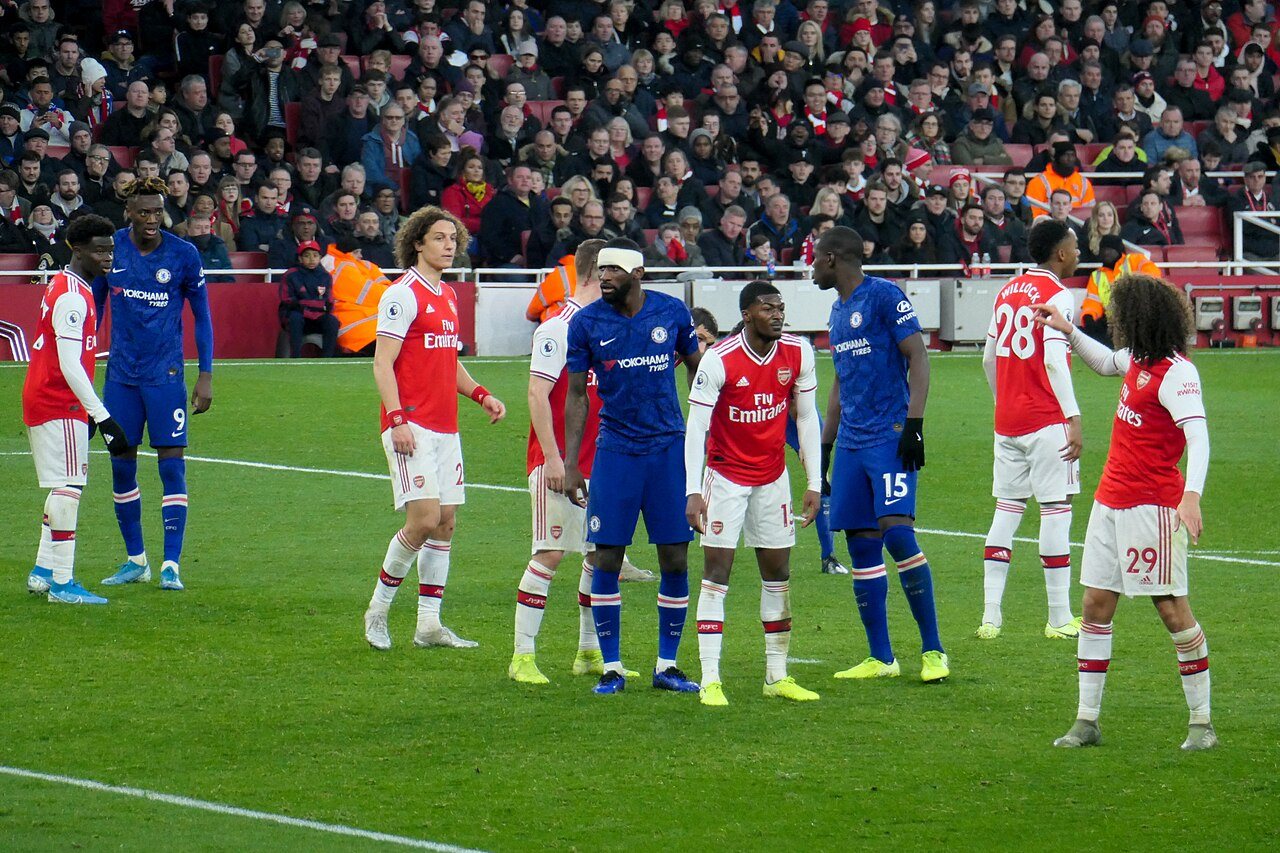
Arsenal to Host Leeds United in Premier League Clash
Technology 265
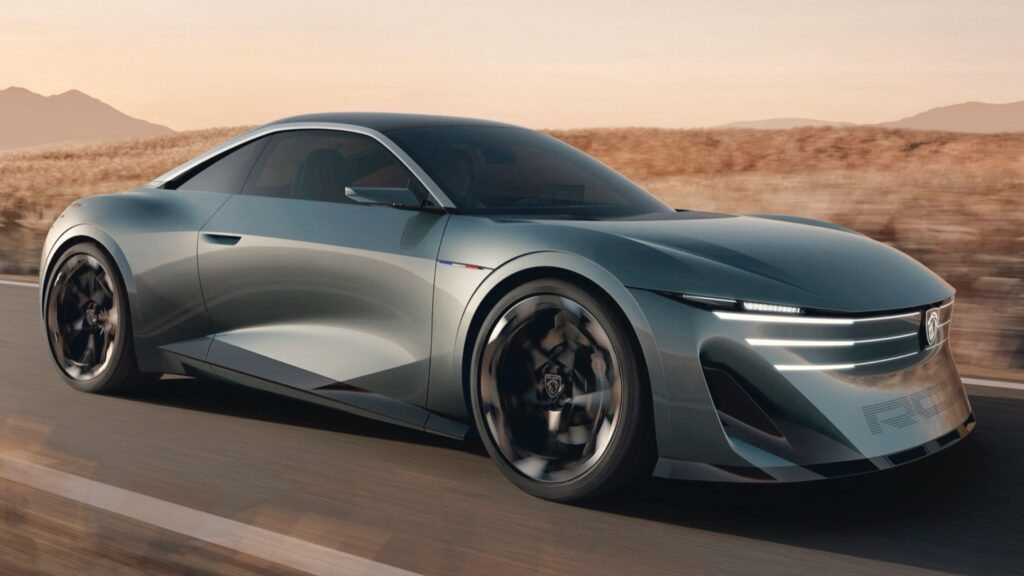
Peugeot Revives RCZ as Electric Coupe Concept With 10-Minute Charging
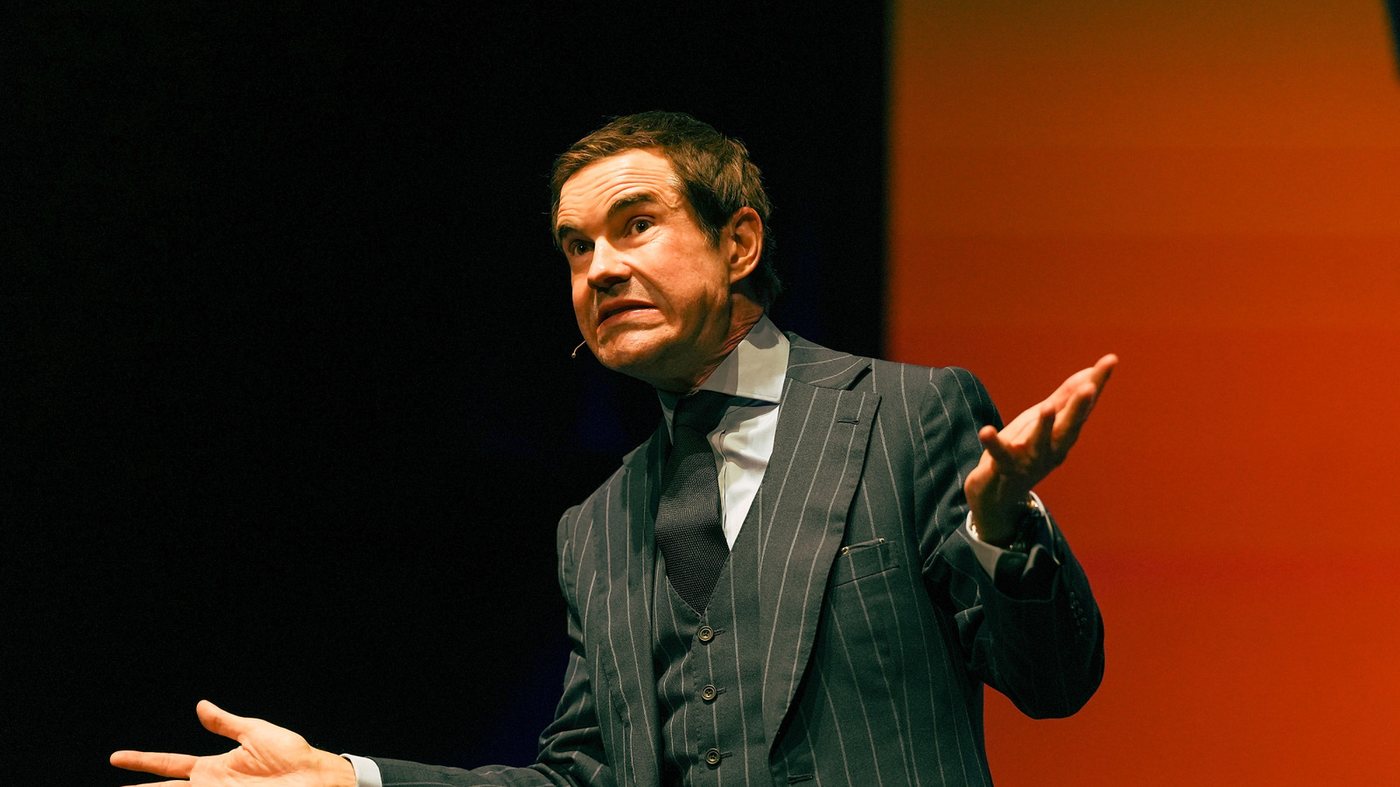
The BBC is reportedly in talks with comedian Jimmy Carr to revive Top Gear once more, raising questions about whether the broadcaster understands why the original show succeeded.
By George Kensington · 5 min read
The BBC is reportedly in discussions with comedian Jimmy Carr to reboot Top Gear yet again, a move that underscores the broadcaster's ongoing struggle to recapture the magic of the original series. Carr, known for his sharp wit and a well-documented enthusiasm for cars, would be an unexpected choice to lead a show that once defined motoring entertainment for a generation.
The original Top Gear, fronted by Jeremy Clarkson, Richard Hammond, and James May, became a global phenomenon by blending irreverent humour, genuine automotive passion, and a chemistry that felt unscripted and authentic. The trio's departure in 2015 left a void that subsequent iterations, including the Chris Evans and Matt LeBlanc era, failed to fill. Now, with Carr reportedly in the frame, critics argue the BBC still has no clear idea why audiences loved the show in the first place.
Carr, a self-confessed petrolhead who has spoken openly about his love of performance cars, would bring a different energy to the programme. His background in stand-up comedy and panel shows suggests a shift towards entertainment over technical motoring journalism, a direction that may appeal to a broader audience but risks alienating purists who valued the original's blend of reviews, challenges, and road trips.
The news comes as the BBC continues to explore ways to revive its motoring flagship after the last incarnation, presented by Paddy McGuinness, Freddie Flintoff, and Chris Harris, was paused following Flintoff's serious accident during filming in 2022. That incident, which led to a reported multi-million-pound settlement and a temporary halt in production, raised serious questions about the show's future. The BBC has since been cautious about committing to another full series, making the reported talks with Carr all the more significant.
Industry insiders suggest that Carr's involvement could signal a more studio-based, comedy-led format, moving away from the high-risk, high-octane stunts that defined the later years of the original run. Such a shift would align with the BBC's apparent desire to reduce liability while maintaining a primetime entertainment slot. However, it also risks further distancing the show from the elements that made it a cultural touchstone: the camaraderie of the three presenters, their genuine expertise, and the sense that anything could happen on screen.
For many fans, the original Top Gear was never just about cars. It was about watching three friends argue, joke, and push each other to the limit, whether testing supercars on remote roads or attempting absurd challenges with ageing hatchbacks. The chemistry between Clarkson, Hammond, and May was the show's beating heart, and no amount of celebrity casting or format tweaking has been able to replicate it. Carr, for all his talent, is a solo performer by nature, and it remains unclear who would join him in the studio or on location.
The BBC has declined to comment on the reports, but the mere possibility of another reboot has reignited debate about the show's legacy. Some argue that Top Gear should be allowed to rest, its reputation intact, rather than risk further dilution. Others believe that with the right approach, a fresh take could introduce the programme to a new generation, even if it means leaving the old formula behind.
What is certain is that the BBC's continued attempts to revive the franchise suggest a deep-seated belief in its commercial and cultural value. Top Gear was once one of the most-watched shows on British television, with a global audience of hundreds of millions and a lucrative licensing business. The stakes are high, and the pressure to get it right is immense.
Whether Carr is the man to lead that revival remains to be seen. His sharp, often controversial humour could bring a new edge to the show, but it also carries risks in an era where broadcasters are increasingly sensitive to public backlash. The BBC will need to weigh these factors carefully as it decides whether to greenlight another attempt at motoring glory.
For now, fans are left to speculate. The original trio has moved on to successful ventures elsewhere, including their own Amazon Prime series, which has been widely praised for recapturing the spirit of the old Top Gear. The BBC, meanwhile, appears to be searching for a formula that can compete without relying on the same personalities. Whether Carr is the answer, or just another chapter in a long-running saga of missed opportunities, only time will tell.
54