Business 129
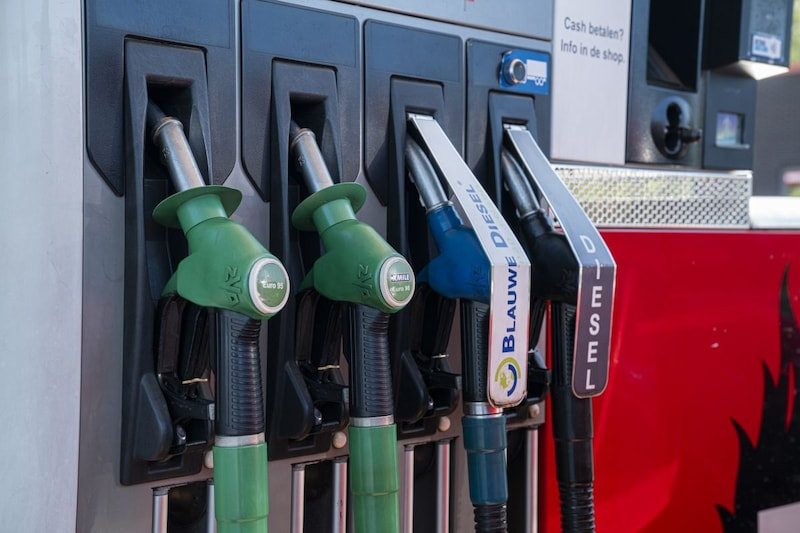
GM Confirms 8.3-Litre Duramax Mongoose Diesel for 2027 Silverado HD and Sierra HD
In this issue
Business 129
GM Confirms 8.3-Litre Duramax Mongoose Diesel for 2027 Silverado HD and Sierra HD
Culture 133
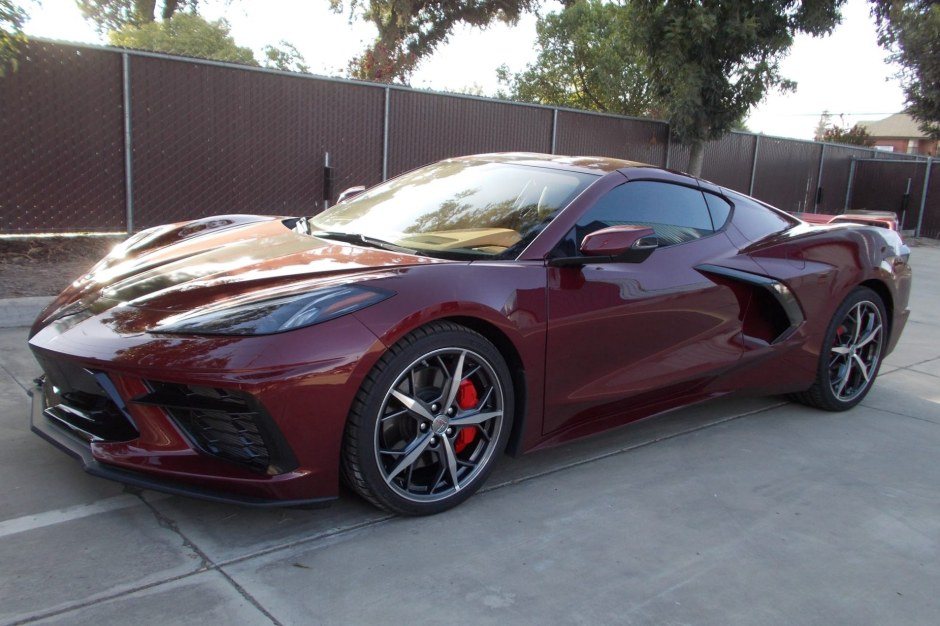
Low-Mileage 2020 Chevrolet Corvette Stingray C8 Heads to Auction
Economy 32
Oil Prices Fall Again but Stay at High Levels
News 129
Oil Conflicts Disrupt Global Supply as Electric Cars Remain Unaffected
Politics 106
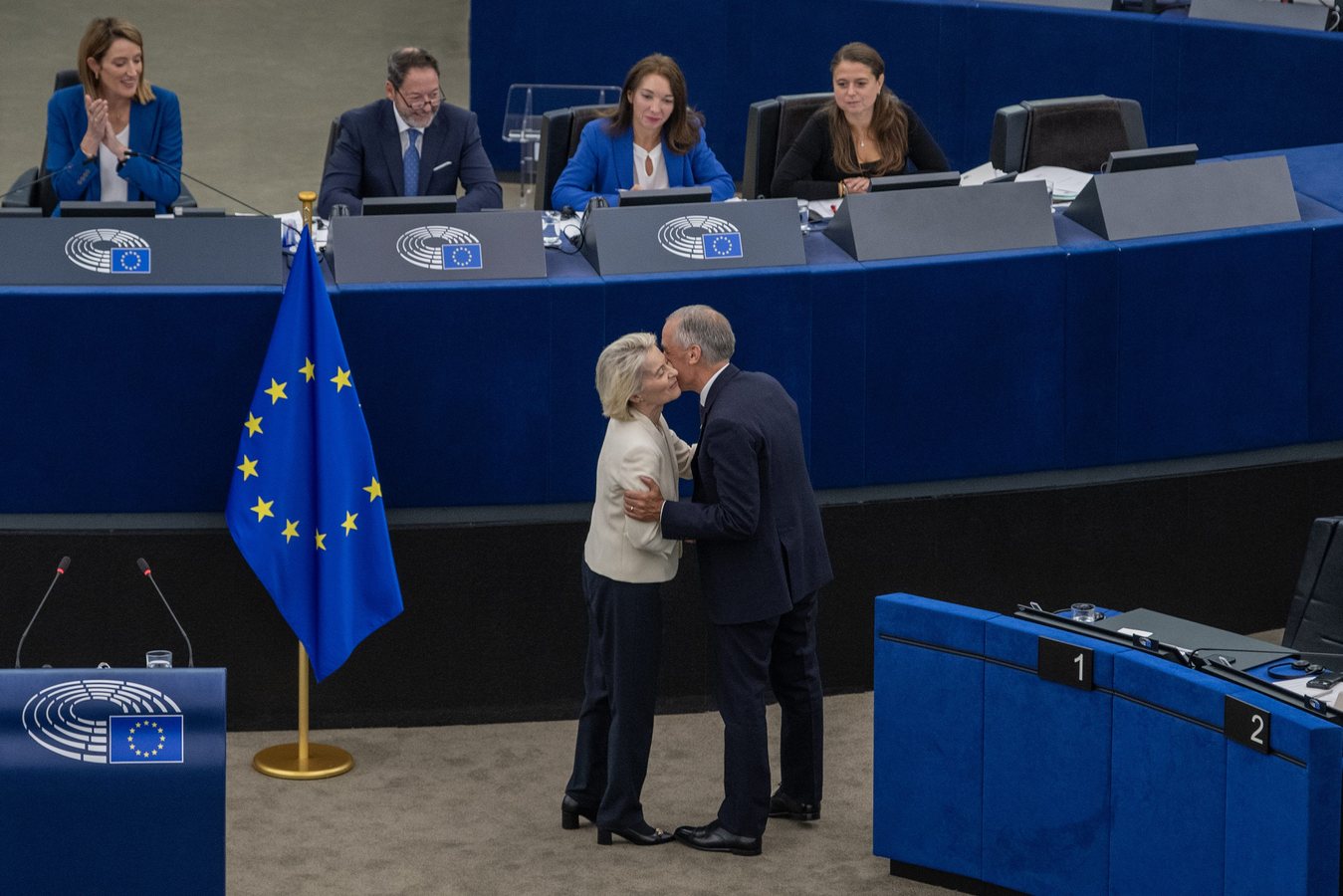
Canada Moves Closer to EU as First Associate Member
Sports 241
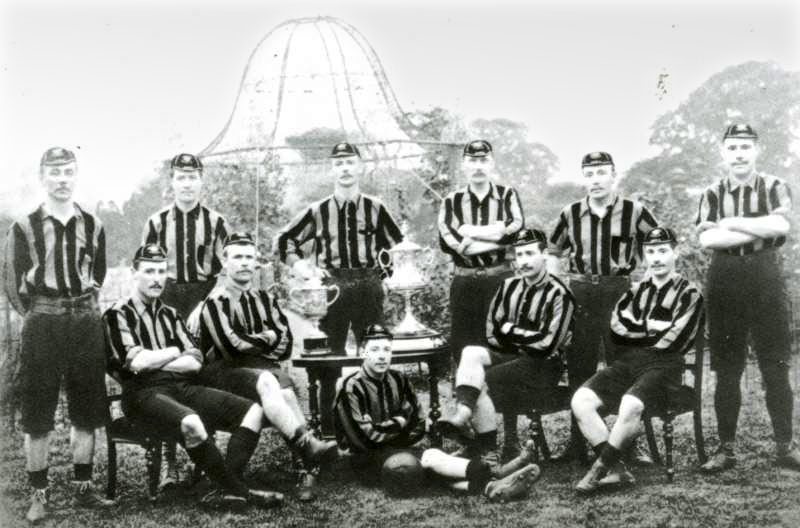
Wolves to Host West Brom in Championship Clash
Technology 146
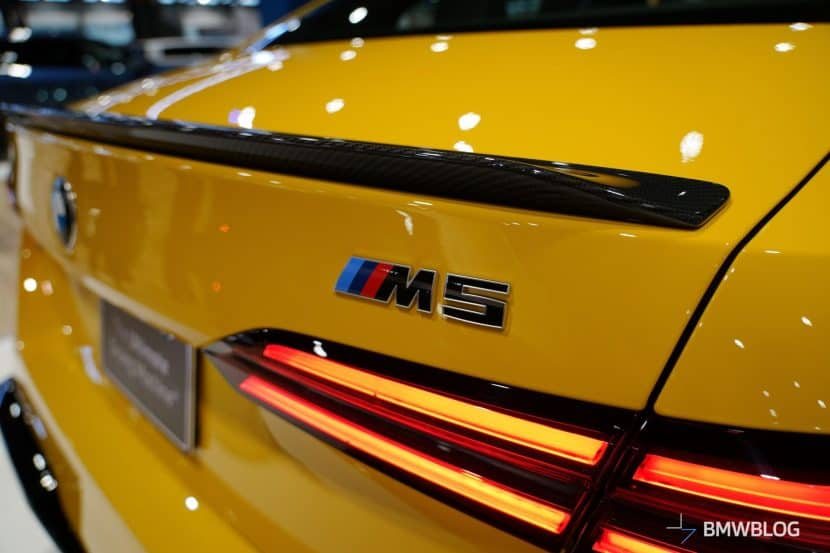
BMW Tests Facelifted M5 at the Nürburgring Ahead of 2027 Production
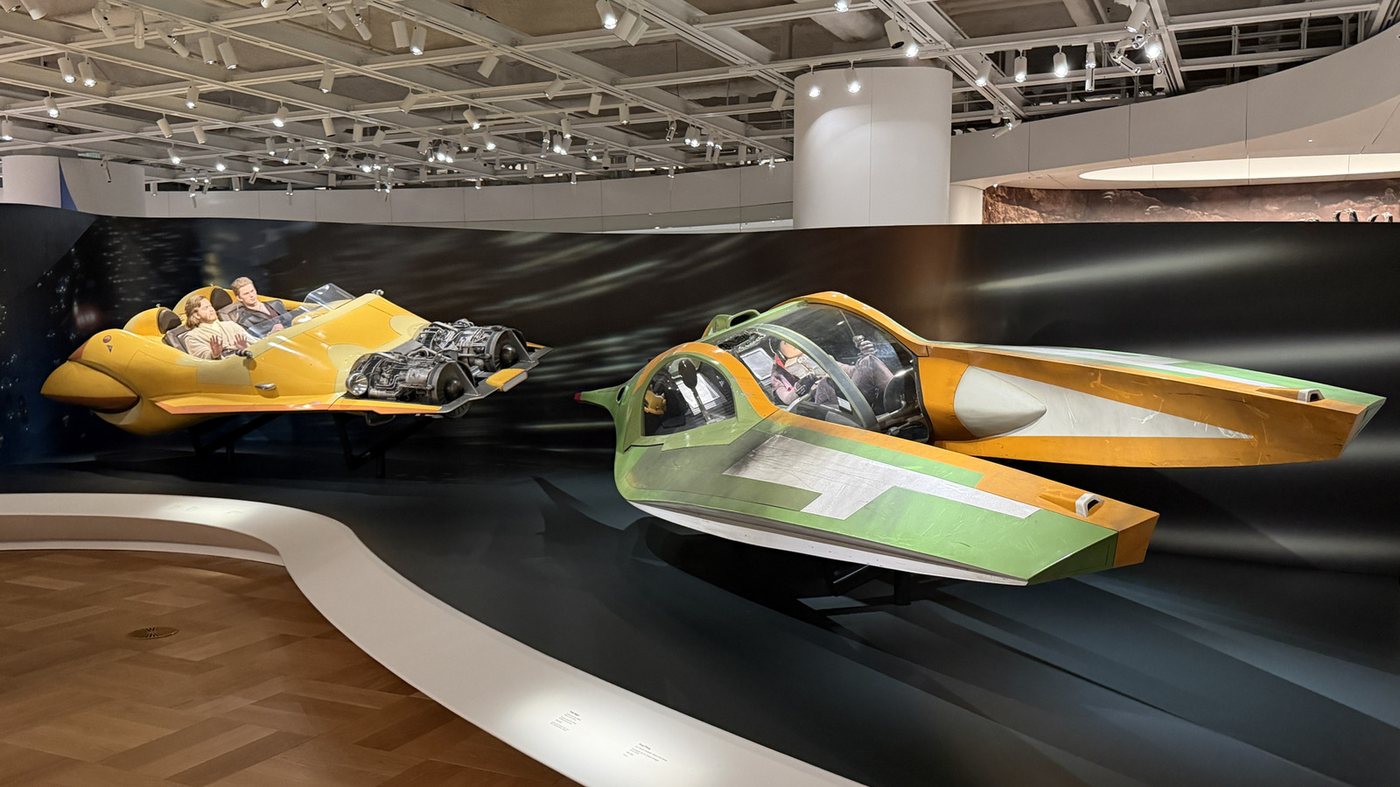
George Lucas's $1 billion Museum of Narrative Art has opened in Los Angeles, showcasing an extraordinary collection of vehicles, props, illustrations, comics and paintings that trace the role of cars, boats, planes and spaceships in visual storytelling.
By Edward Beaumont · 4 min read
George Lucas's long-awaited Museum of Narrative Art has opened in Los Angeles, bringing together an extraordinary collection that goes well beyond the Star Wars models for which the filmmaker is best known. Housed in a building backed by a reported $1 billion investment, the museum presents illustrations, comics and paintings in which boats, planes, cars and spaceships play a central role — a body of work that amounts to one of the finest collections of vehicular art ever assembled.
The museum's opening drew a remarkable cross-section of American public life. Oprah Winfrey, Leonardo DiCaprio and Gavin Newsom were among those who turned out to celebrate the project, alongside figures from entertainment, politics and technology. The guest list reflected the breadth of Lucas's influence and the museum's ambition to speak to audiences far beyond the traditional art world.
At the heart of the collection is the idea of narrative art — images and objects created to tell stories. Lucas has long argued that popular visual culture deserves the same serious attention as fine art, and the museum's holdings bear that out. Original illustrations, comic panels and concept paintings are displayed alongside the vehicles and props that have become part of modern mythology, inviting visitors to consider how machines have shaped the stories societies tell about themselves.
The vehicular component of the collection is particularly striking. Cars, aircraft, watercraft and spacecraft appear not merely as engineering artefacts but as characters in their own right, carrying narrative weight across film, illustration and design. The museum's approach places these objects in a continuum that runs from early twentieth-century illustration to contemporary cinema, showing how the depiction of movement and technology has evolved.
For Lucas, the project represents the culmination of decades of collecting and a long-standing commitment to education and public access. The museum is intended to function as a cultural institution in the fullest sense, with galleries, screening spaces and educational programmes designed to draw in visitors who might not otherwise set foot in a museum. Its location in Los Angeles places it at the centre of the entertainment industry whose visual language it documents.
The opening has been greeted as a significant moment for the city's cultural landscape. By treating narrative art as a serious field of study and display, the museum challenges conventional hierarchies that have often relegated popular imagery to the margins. Its collection of vehicles and props, far from being a novelty, is presented as evidence of a rich and ongoing tradition of visual storytelling.
The museum's arrival also underscores a broader shift in how institutions approach the art of the moving image. Props, models and designs that were once regarded as disposable studio materials are now recognised as historical documents, worthy of preservation and interpretation. The Lucas Museum's holdings demonstrate the range of that material and the care now being taken to conserve it.
Visitors can expect a collection that rewards close attention, whether their interest lies in cinema, illustration, automotive design or the mechanics of storytelling itself. The museum positions these subjects not as separate pursuits but as interconnected parts of a single narrative tradition — one in which the vehicles on display are as eloquent as any painting.
6