Business 250
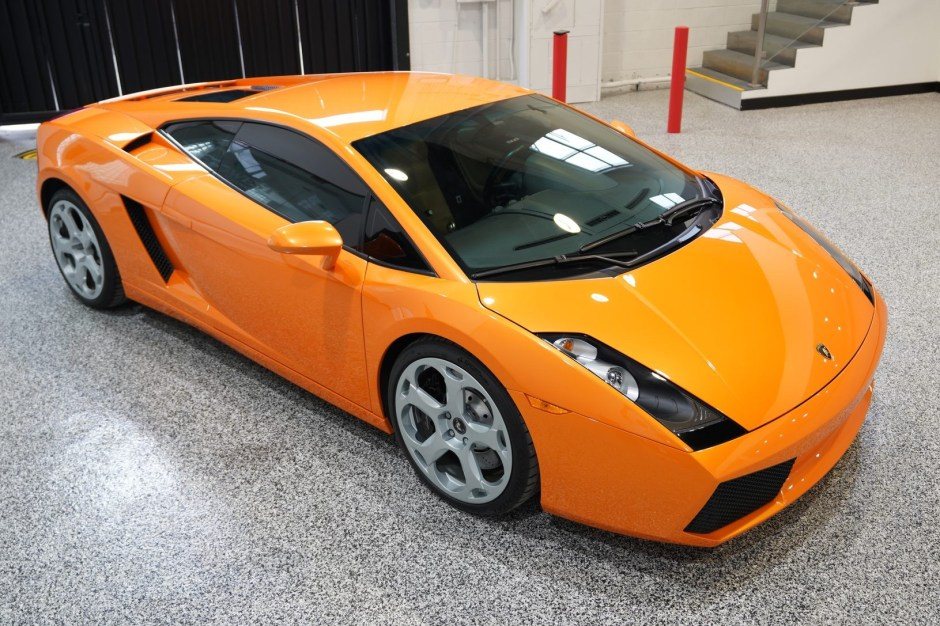
Dealer Offers 27,000-Mile 2004 Lamborghini Gallardo With Converted Manual Gearbox
In this issue
Business 250
Dealer Offers 27,000-Mile 2004 Lamborghini Gallardo With Converted Manual Gearbox
Culture 284
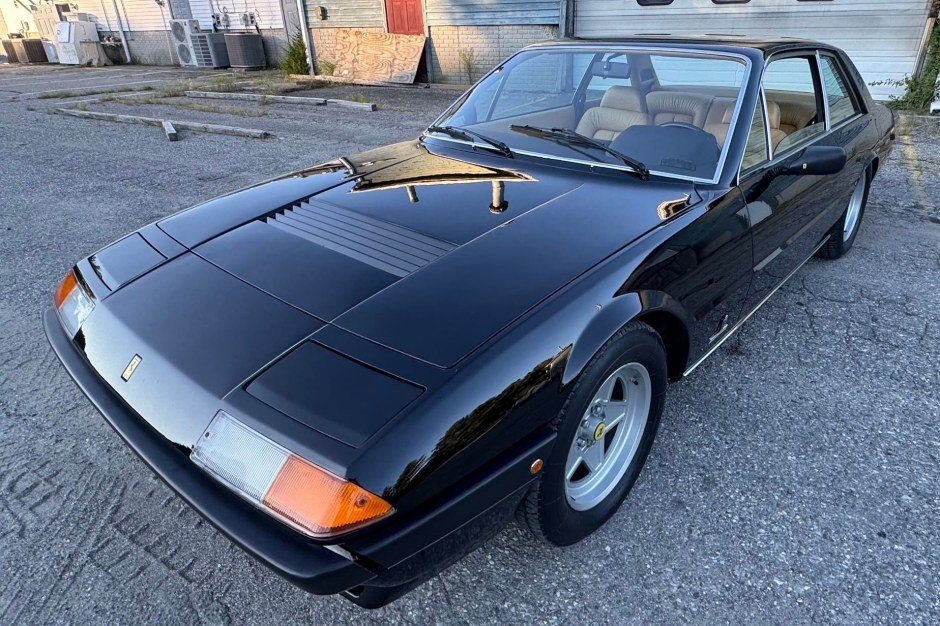
Rare 1983 Ferrari 400i Offered at Auction With 20,000 Miles
Economy 42
Electric driving is cheaper, but the savings depend on one factor
News 159
Orionid meteor shower set to peak with fast, bright fireballs
Politics 115
Burnham launches crackdown on loud music on public transport
Sports 285
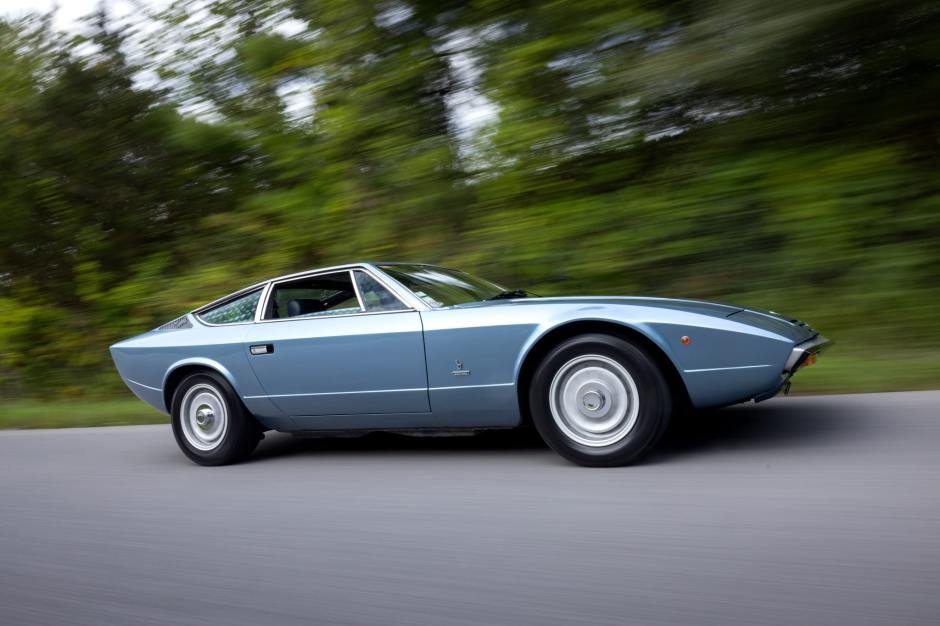
1975 Maserati Khamsin Offered at No Reserve in New York
Technology 327
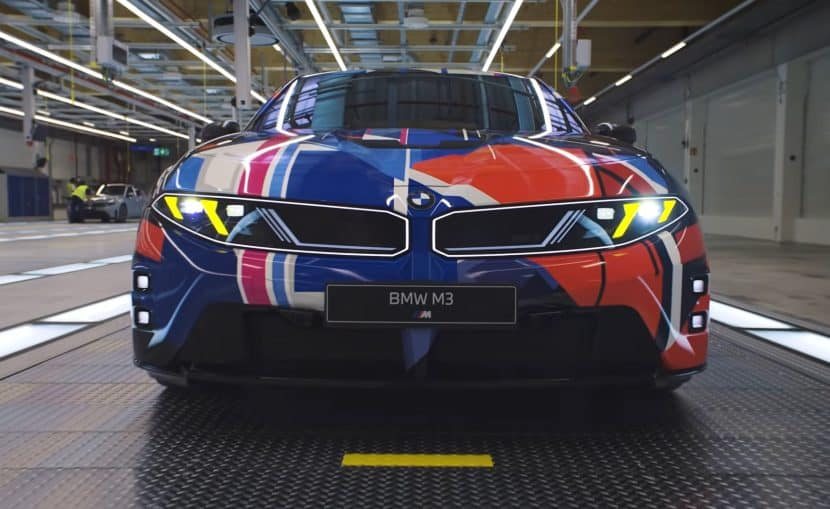
BMW Electric M3 Shows More Of Its Design In New Prototype Footage
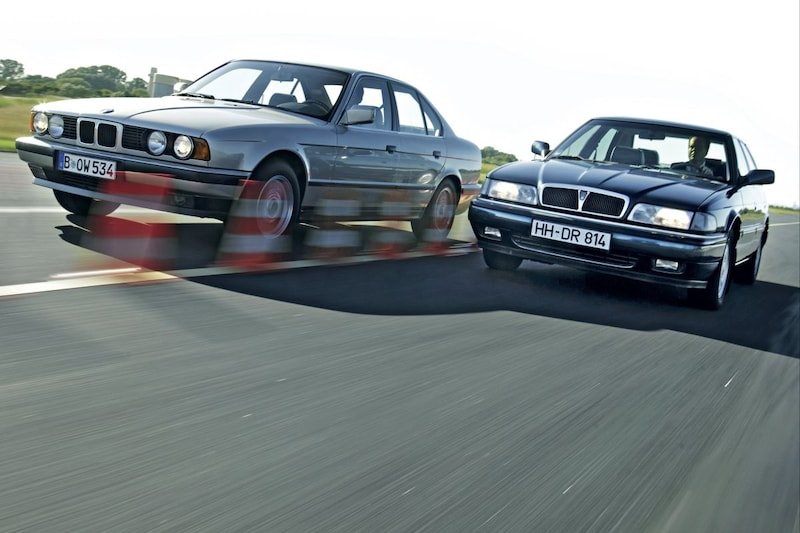
A road test pits the Rover 827 against the BMW E34 5 Series, two six-cylinder saloons from the same era whose makers were linked after BMW acquired the Rover Group in 1994.
By Eleanor Ellington · 5 min read
BMW and Rover once competed head to head, but by 1994 the two British and German marques were sister brands. In that year BMW took over the Rover Group for 800 million pounds, having feared a hostile takeover and needing to grow to defend itself. The sale came about because Rover's majority shareholder, British Aerospace, was short of cash. The deal also left a casualty: Honda, which had supplied Rover with technology through a joint venture since the mid-1980s, found itself sidelined.
The Rover 827, introduced in 1986 as the company's flagship, still shows clear Japanese influence. Its V6 engine was borrowed from the Honda Legend and carries a large ‘H’ badge. The test car, one of the last 800-series models to leave the Longbridge line in 1994, reflected a marked improvement in build quality. That progress came from Japanese production standards gradually introduced in the Midlands, where the legacy of British Leyland had long lingered.
BMW, by contrast, had no such teething problems when it launched the new 5 Series at the end of the 1980s. The E34, the third generation of the 5 Series, was a completely new design that succeeded the E28 and represented a major step for the brand in 1988. Enthusiasts still regard it as a quality car, a reputation that remains visible today given how often examples still appear on the road.
For a fair contest the comparison uses a 525i from before early 1990, with two valves per cylinder and 170 horsepower, rather than the later 24-valve M50 unit rated at 192 horsepower. The two cars are close in weight, at 1,490 kilograms for the BMW and 1,457 kilograms for the Rover. The difference lies in layout: the 5 Series spreads its mass evenly between the axles, while the front-wheel-drive 827 carries a 63/37 split. As a result the Rover tends to push wide through fast corners, and its inside front wheel loses grip as weight shifts. The rear-wheel-drive BMW struggles for grip mainly on wet or snowy roads.
On the road the Rover proves a good-natured car. Its accurate, not overly light steering and a near-sporting calibration of engine and gearbox give it an unexpected measure of dynamism, and the Honda contribution is described as a welcome touch of wasabi in the British recipe. The Rover's V6 responds eagerly when the right foot is pressed, and in acceleration tests it shaves a few tenths of a second from the BMW. Smooth shifts of the kind the 5 Series offers should not be expected, however, and under hard acceleration the 827's transmission can feel temperamental.
Where the Rover pulls ahead on straights, the BMW takes over in corners. The Rover changes direction quickly but, in the reviewer's phrase, in the manner of a diligent German civil servant: careful rather than passionate. The 5 Series commits fully to bends and follows steering inputs with relaxed precision. The BMW also scores on refinement. Its controls are logically placed, the driver-oriented centre console is well judged, and it receives more attention to sound insulation. Its inline six is notably free of vibration and produces a dark, melodic note, whereas the Rover's V6 is quieter at low revs but, when pushed, sounds like little more than noise. The BMW wins the driver's affection quickly; the Rover keeps its distance, as a gentleman should, and lacks a character of its own.
Inside, the Rover's Si version is luxuriously equipped, but the result is somewhat half-hearted. Wood and leather contrast awkwardly with glossy plastic, and the placement of the controls seems to have received little thought. The blend of classic English luxury and Japanese modernity now feels odd. After the takeover BMW reoriented Rover and put British values back at the centre, yet this failed to turn the tide. The 75, developed with BMW's help and succeeding both the Rover 600 and 800 in 1999, could not reverse the company's fortunes.
5