Business 297
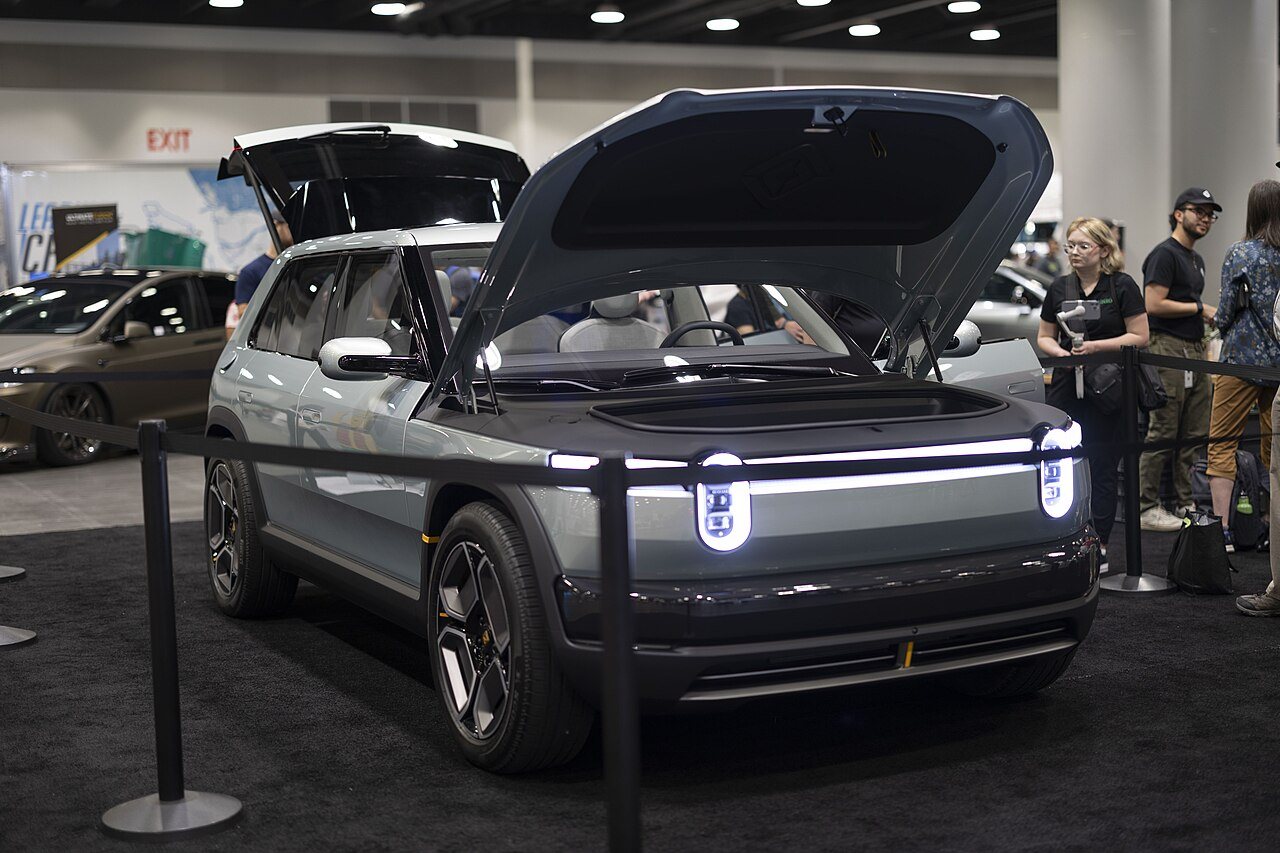
Rivian publishes earnings as Waymo teams up with Toyota
In this issue
Business 297
Rivian publishes earnings as Waymo teams up with Toyota
Culture 326
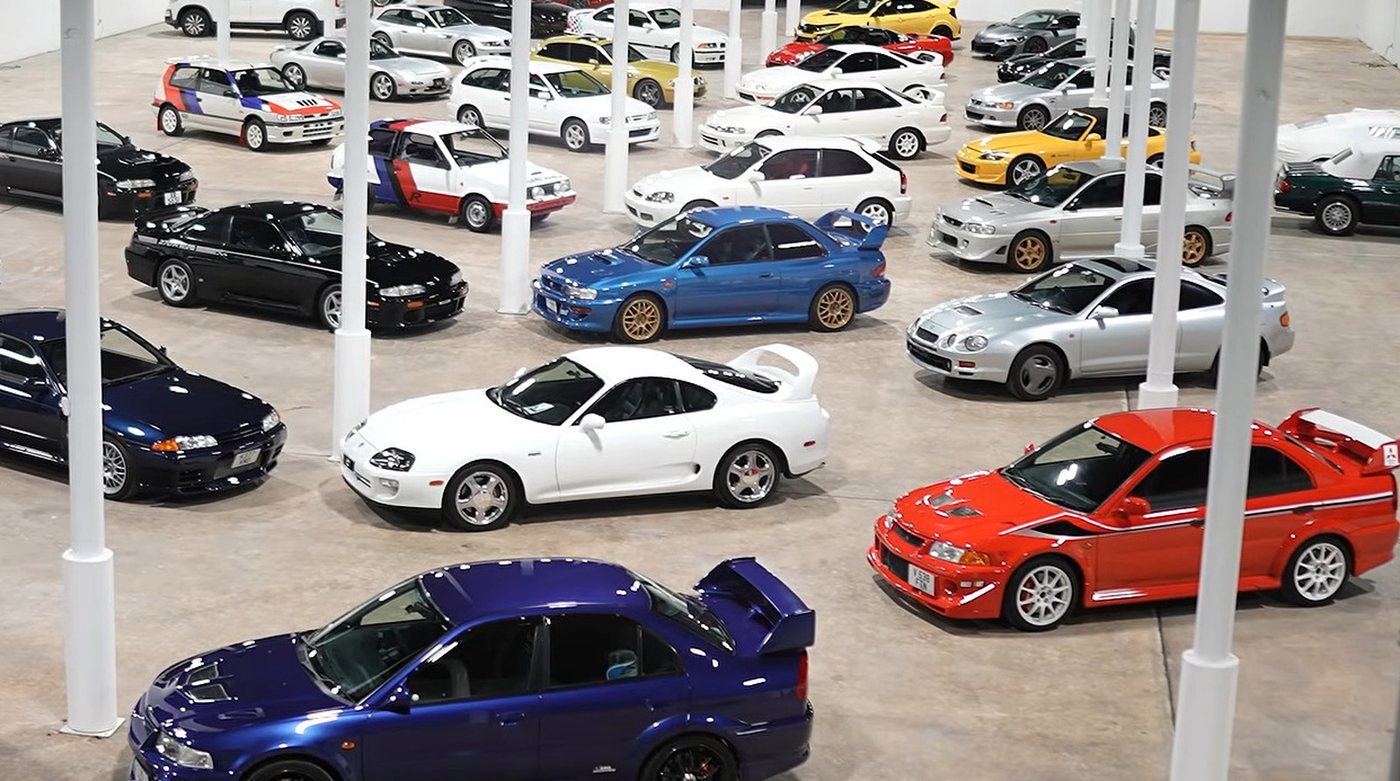
US Opens Import Path for Japanese-Market Cars After 25 Years
Economy 48
Three Tankers Reportedly Strike Mines in Strait of Hormuz
News 161
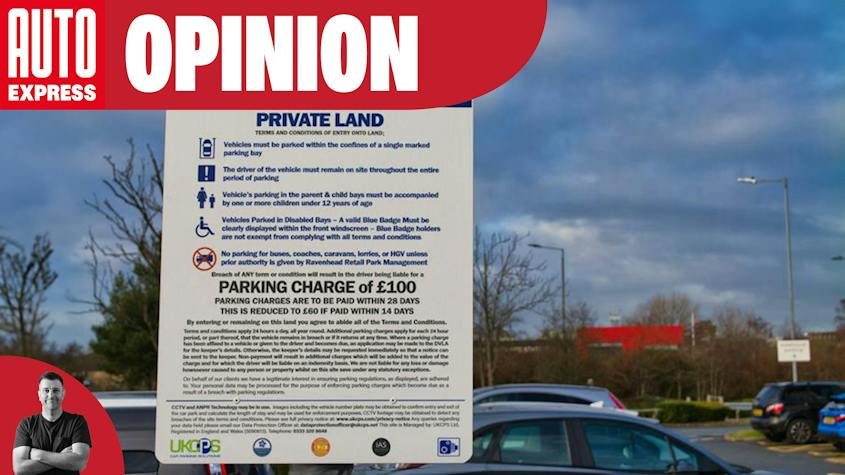
Private parking firms face pressure as UK motorists call for fairer rules
Politics 121
Burnham denies stopping ministers from discussing closer EU ties
Sports 293
Vettel says BMW never gave him the F1 seat his contract promised
Technology 348
Skoda Kodiaq proves more practical than a conventional SUV, Autocar editors find

Rolls-Royce and Mini's 2011 Mini Inspired by Goodwood, a small car with luxury interior, is rising in used values, prompting questions about whether posh city cars can work.
By Charlotte Redford · 4 min read
A decade and a half after a small, leather-lined Mini appeared at a motor show in Shanghai, the car is attracting renewed attention from buyers and enthusiasts. The Mini Inspired by Goodwood, unveiled in 2011, is climbing in value, reviving a question that car makers have largely avoided: is there a place for a truly luxurious small car?
The conversation about small luxury vehicles usually ends quickly with the Aston Martin Cygnet, a gentrified version of the Toyota iQ that was pitched as a tender for owners' full-sized Astons and as a way to cut the firm's fleet emissions. Beyond those aims, it was not a roaring success. The Mini Goodwood, by contrast, received far less attention at the time and seems to have registered only weakly even then.
The Goodwood was a tie-up between the BMW Group's two British brands, Mini and Rolls-Royce. It started from a Cooper S and added walnut, leather, cashmere and lambswool, materials drawn from contemporary Rolls-Royce models, to the interior. The exterior was discreet, with a bonnet fitted without the scoop, but the mechanical specification was unchanged. The car was unveiled at the 2011 Shanghai motor show, then considered a more niche event in a less important market than it is today. At the time, the thinking was that Chinese consumers favoured European luxury brands, a view the author notes is less certain now, with many buyers preferring domestic makes.
Sales were limited. Around 120 Goodwoods were sold in the UK, and Mini said it wanted to build 1,000 in total, a target that was reportedly met. Aston Martin made fewer than 800 Cygnets. The Goodwood cost £41,000, almost £10,000 more than the Cygnet, and was priced £13,000 more than the Mini GP from around the same period, which had serious mechanical changes. The Goodwood's extras were unique paint and 17in wheels. By comparison, a standard Cooper S cost £18,075 in late 2011. Used prices for Goodwoods, like those for Cygnets, dipped and have since risen, reaching more than £30,000, while Cygnets are about £10,000 more expensive on the used market.
The author suggests several reasons the idea may still appeal. A small car is easier to park and can fit through gaps that larger cars cannot. A luxury car that looks like an ordinary Aston or Mini attracts little attention from those who do not know what it is, which is itself an attraction for some owners. The author also acknowledges that large limousines are often driven by hired chauffeurs, allowing owners to enjoy the rear seats, an experience that a three-door Mini hatchback cannot offer.
Fifteen years after the Goodwood's launch, the author says he still hopes for a truly luxurious small car, and expects that the Cygnet will be cited as evidence against the idea. The rising values of both cars, he argues, suggest that the concept is desirable, and that if the base car is good enough, a small luxury model might still work. For now, the market for these low-volume oddities appears to be strengthening, even if it has not yet persuaded manufacturers to try again.
7