Business 297
Rivian publishes earnings as Waymo teams up with Toyota
In this issue
Business 297
Rivian publishes earnings as Waymo teams up with Toyota
Culture 326
Small luxury cars make a comeback as collectors chase Mini Goodwood
Economy 48
Three Tankers Reportedly Strike Mines in Strait of Hormuz
News 161
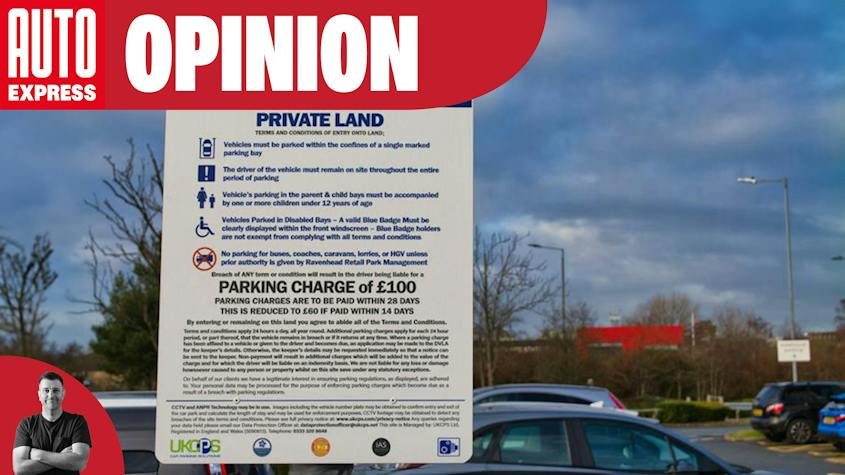
Private parking firms face pressure as UK motorists call for fairer rules
Politics 121
Burnham denies stopping ministers from discussing closer EU ties
Sports 292
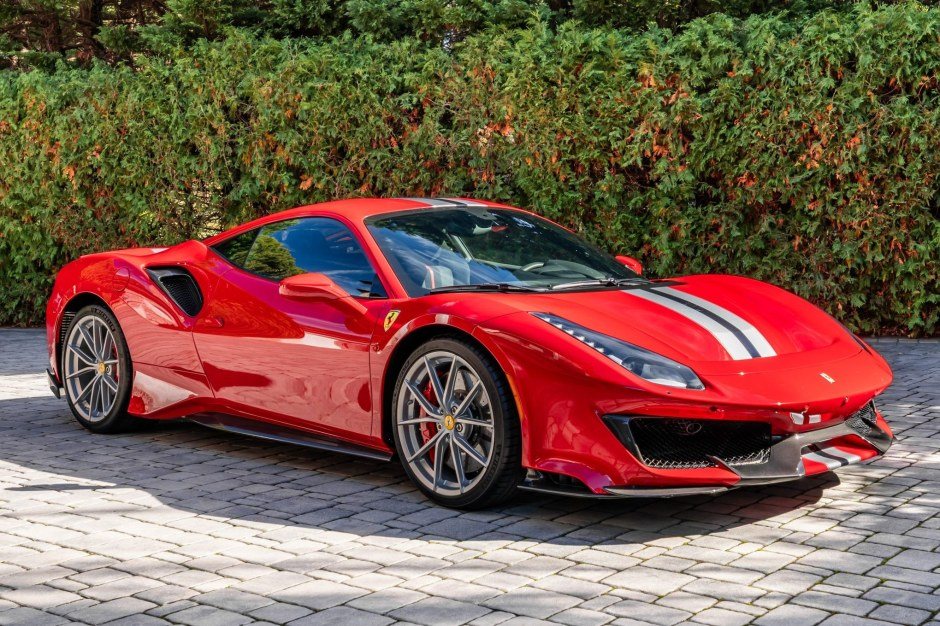
2020 Ferrari 488 Pista with 137 Miles Listed for Sale
Technology 348
Skoda Kodiaq proves more practical than a conventional SUV, Autocar editors find
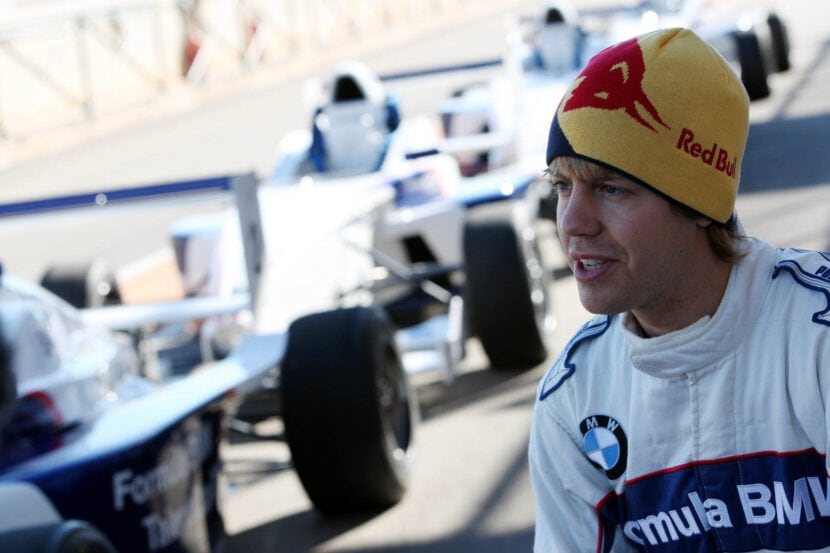
Sebastian Vettel has explained in an ARD documentary why BMW Sauber let him go, despite a contractual promise of a future race seat, a decision that opened the door for Red Bull to sign him.
By George Kensington · 5 min read
Sebastian Vettel could have become BMW’s next major Formula 1 star, but the partnership never developed as planned. Despite a contractual promise of a future race seat, the German driver was never given the chance to establish himself with BMW Sauber, and the team eventually released him. That decision opened the door for Red Bull to sign a young driver who would go on to win four consecutive world championships.
In a new ARD documentary titled «Being Sebastian Vettel», the former driver looks back at how his relationship with BMW unfolded. “In the end, the whole BMW story didn’t really work out as originally planned,” Vettel recalls. “I actually already had one foot in the door because my contract with BMW stated that I would get a seat in Formula 1. But that never really materialized.”
Vettel had already made a strong impression at his first Formula 1 appearance, in Friday practice at the 2006 Turkish Grand Prix. Despite being just 19, he set the fastest time, marking himself out as a promising talent. The following year, Robert Kubica was ruled out of the 2007 United States Grand Prix after a major crash in Canada, and BMW Sauber promoted its reserve driver to the race seat. Vettel finished eighth, becoming the youngest points scorer in Formula 1 history at that time.
That debut was not enough to secure a permanent promotion. Vettel says doubts about his speed had begun circulating within BMW’s ranks. “During my time at Sauber, there was this ‘rumor’ going around that Sebastian wasn’t that fast and wasn’t that good. And yes, I can understand how people might have got that impression. Maybe there was even some truth to it, in a way, because I needed a bit of time before everything clicked.”
He added that BMW’s enthusiasm gradually faded, although the manufacturer had not entirely lost interest. “Then the whole situation turned on its head because, on BMW’s side, I wouldn’t say there was less interest, but there just wasn’t the same drive behind it.” Vettel wanted a clear development plan and a guaranteed route into Formula 1, and he was not getting that from BMW, which was preparing to retain Nick Heidfeld and Robert Kubica for 2008.
Red Bull, by contrast, was willing to take the chance. Former motorsport adviser Helmut Marko said Vettel’s departure from BMW created an opportunity the energy drinks company was happy to exploit. “Thank God the people at Sauber weren’t convinced of Vettel’s abilities, which meant we were able to get him. And then it became clear that here was someone who not only had the speed, but was also technically capable and prepared to put in the hard work.”
According to Vettel, Red Bull founder Dietrich Mateschitz made the final decision. “In the end, Dietrich Mateschitz put his foot down and said: ‘Let’s not spend too much time discussing this. Give the kid a chance. If it works out, great. If it doesn’t, it doesn’t.’” Vettel joined Toro Rosso in 2007, replacing Scott Speed, and began to show what he could do. His breakthrough came at the 2008 Italian Grand Prix, where he took a pole position and a victory in wet conditions at Monza. It was the first Formula 1 win for a Red Bull-owned team, and the result convinced Red Bull to promote him to its senior team for 2009.
Vettel went on to win four consecutive drivers’ championships between 2010 and 2013, collecting 53 Grand Prix victories along the way. BMW withdrew from Formula 1 at the end of the 2009 season, never having made Vettel one of its regular drivers. Vettel himself believes luck played a part in how his career unfolded, but says drivers must still deliver. “Having the right people around at the right moment, the right things happening, and so on. But you still have to deliver the right performance. And I think a lot of what we call luck is actually in your own hands.”
A return by BMW to the sport is not on the cards. M chief executive Frank van Meel believes Formula 1 has too little in common with production cars to justify the investment, which would require a separate technology centre with limited relevance to BMW’s road-car development.
6