Business 348
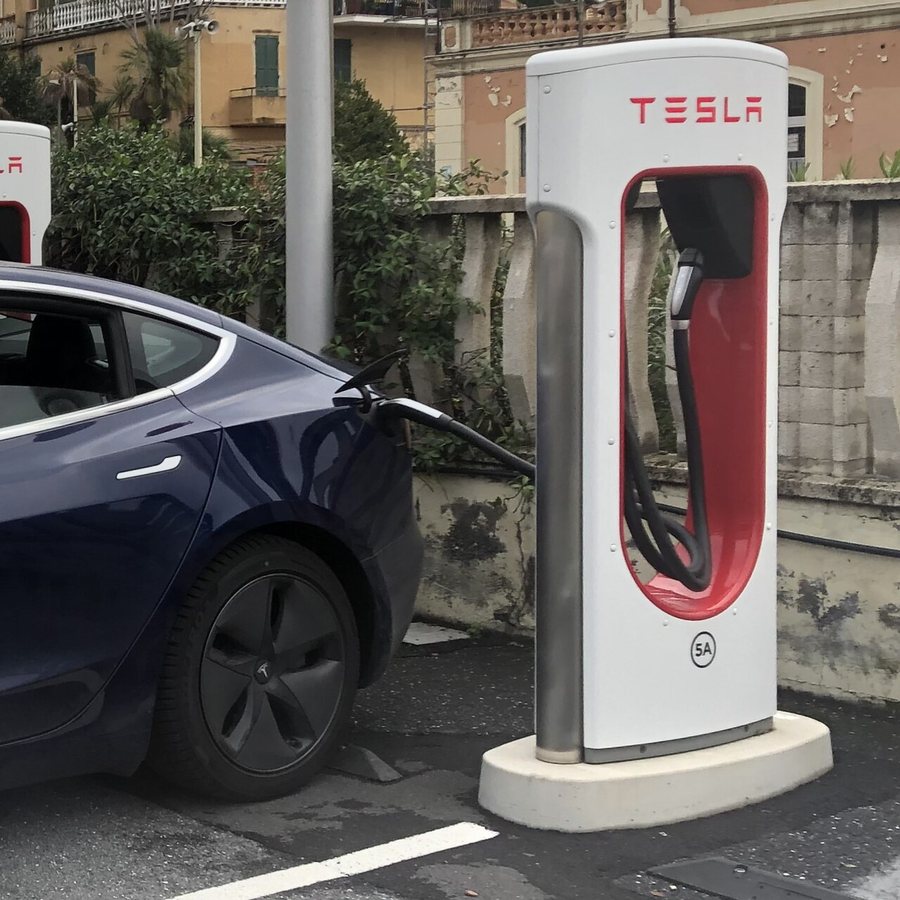
Tesla to End Cybertruck Production at Giga Texas by Mid-2027
In this issue
Business 348
Tesla to End Cybertruck Production at Giga Texas by Mid-2027
Culture 375
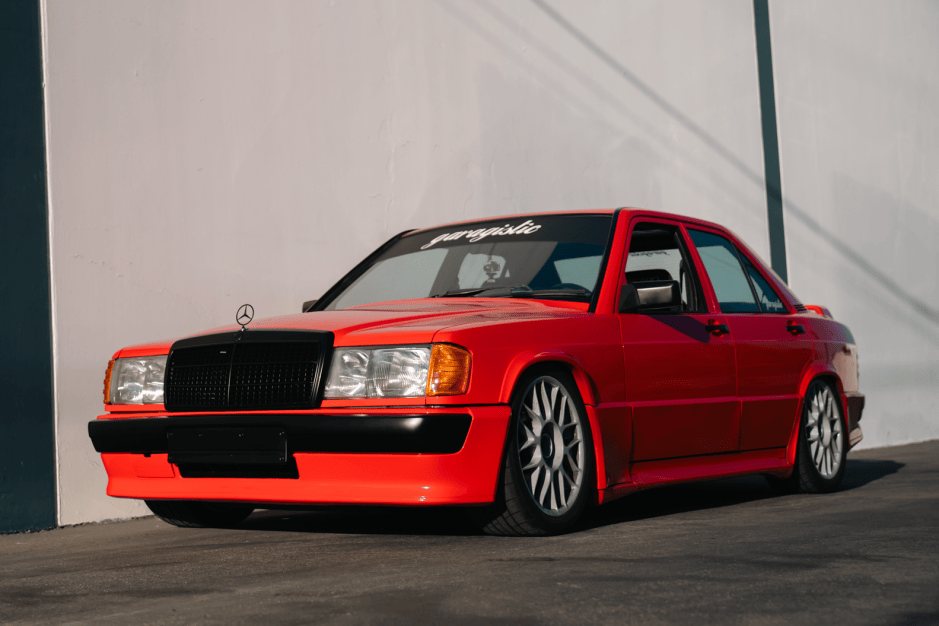
Ecuador-delivered 1985 Mercedes-Benz 190E 2.3-16 heads to auction as a converted …
Economy 51
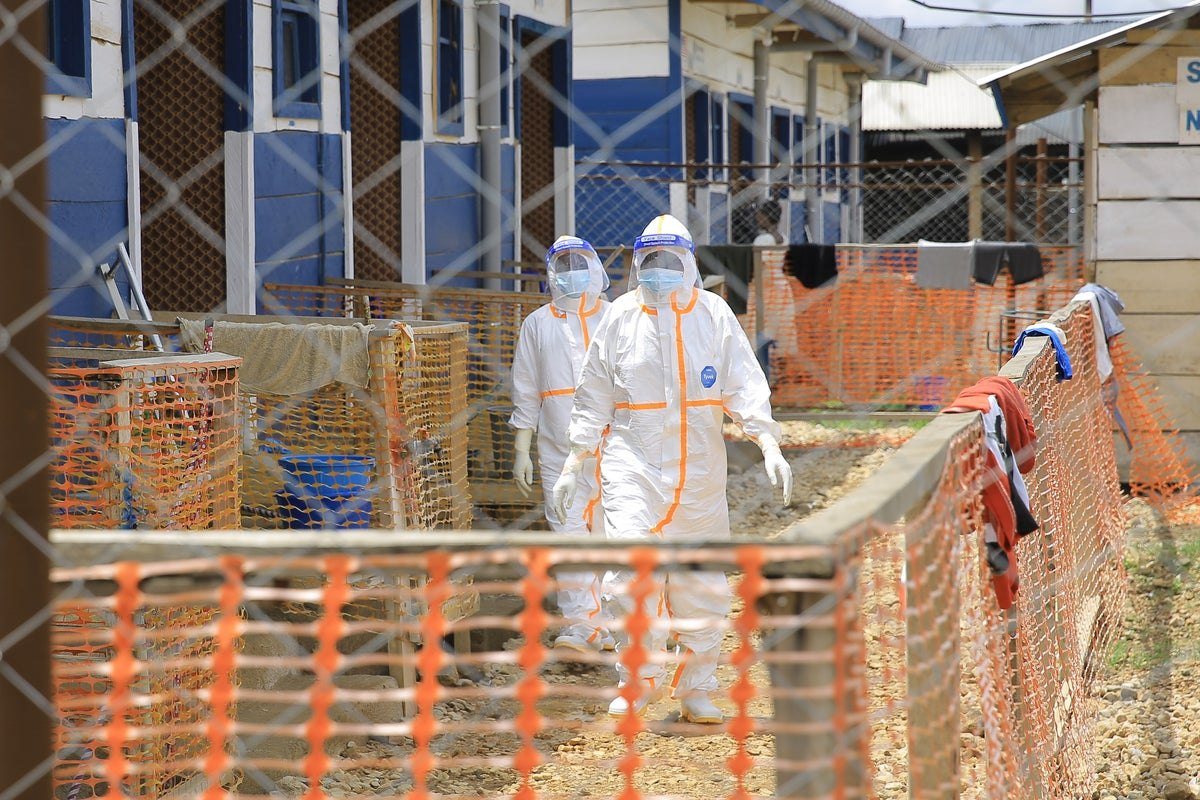
British healthcare worker tests positive for Ebola in Congo
News 165
Britain faces snow band across 500 miles and cold snap near -7C
Politics 125
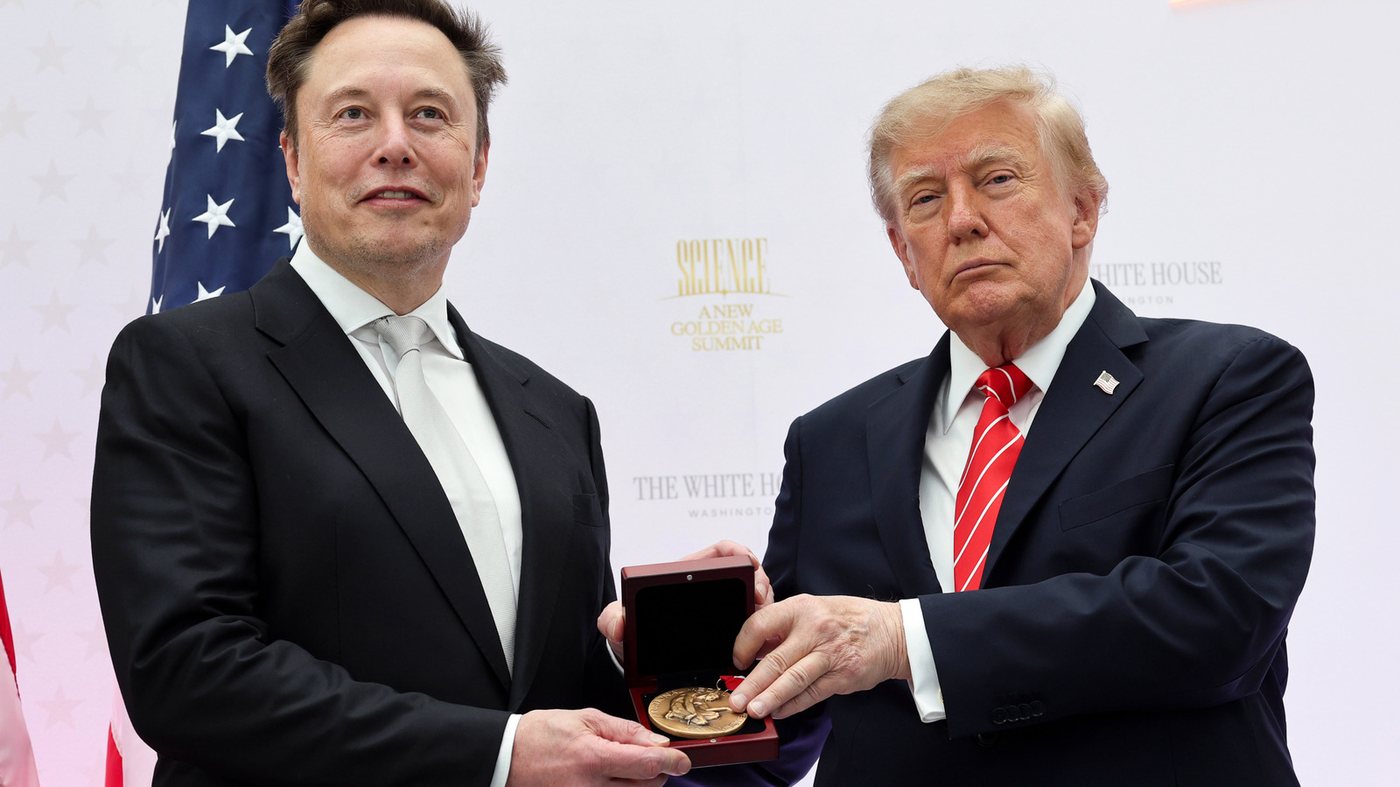
Musk’s reported $474 million political ad spend contrasted with alternative car p…
Sports 300
BMW releases video on its 2014–2018 DTM-winning M4 race car
Technology 361
Electric cars wear tyres faster than petrol models, MOT data shows

James Talarico’s worn-in Lucchese cowboy boots have become a visible part of his Texas Senate campaign image, and New York Times fashion critic Vanessa Friedman explains the meanings they carry.
By Charlotte Redford · 3 min read
James Talarico’s scuffed Lucchese cowboy boots have become one of the most talked-about details of his Texas Senate campaign, with the footwear carrying political meanings that reach well beyond fashion. In a short video piece from The New York Times style section, chief fashion critic Vanessa Friedman examines how the boots have shaped the public image of the candidate.
The boots are worn-in rather than pristine, a detail that matters in a state where footwear has long been tied to rural life, manual work and a particular idea of Texan identity. Friedman’s analysis treats the choice as deliberate. The visible wear signals familiarity with the land and with ordinary labour rather than a polished, carefully managed political presentation, and it is that contrast that gives the boots their force.
Friedman, who leads the newspaper’s fashion criticism, frames the boots as a piece of visual communication that voters read quickly, often before they have heard a single policy position. Her video reads the footwear as a kind of shorthand, a way of placing a candidate within a regional tradition without a speech. The piece is brief and presents her interpretation rather than a detailed written argument, so the precise political messages she identifies are not spelled out in full in the material available.
The Lucchese brand itself carries a long association with Western wear, and cowboy boots occupy a особый place in Texas public life, where they appear at rodeos, legislative sessions and campaign events alike. Politicians from both major parties have used boots and western dress to signal roots and resilience, so a candidate’s choice of footwear sits within a well-established visual vocabulary that voters in the state recognise. Friedman’s commentary suggests that Talarico’s version of that vocabulary is working on viewers, though the video does not measure how widely that impression has spread.
The piece is published as a video, with the accompanying text serving as a short summary. It does not provide details on the outcome of the campaign, polling figures, or dates for the Senate race, so the coverage is best understood as a study of image and symbolism rather than a report on electoral developments. Any conclusions about the boots’ effect on the race would go beyond what the source establishes.
The attention paid to Talarico’s footwear also reflects a wider pattern in American politics, in which clothing and personal style are read as signals of authenticity, background and values. For a candidate seeking statewide office in Texas, where cowboy culture remains a powerful reference point, the boots offer a compact message that requires no explanation to the audiences it is meant to reach. Friedman’s piece shows how a single item of clothing can carry that message, and why fashion criticism has become a way of reading political communication.
Source: nytimes.com
21