Business 347
Volkswagen Group weighs Chinese electronic architecture for most European models
In this issue
Business 347
Volkswagen Group weighs Chinese electronic architecture for most European models
Culture 376
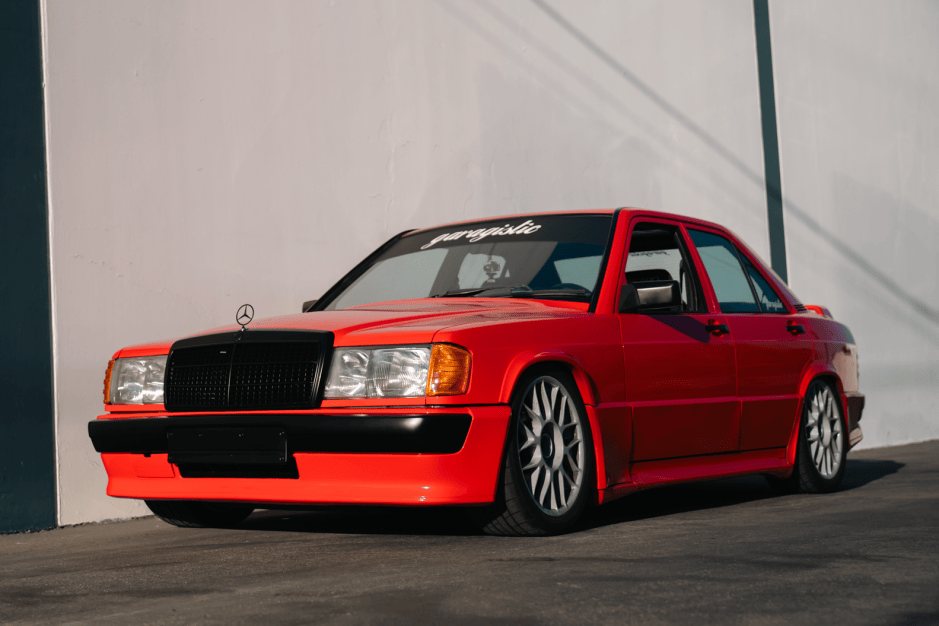
Ecuador-delivered 1985 Mercedes-Benz 190E 2.3-16 heads to auction as a converted …
Economy 51
British healthcare worker tests positive for Ebola in Congo
News 165
Britain faces snow band across 500 miles and cold snap near -7C
Politics 125
Musk’s reported $474 million political ad spend contrasted with alternative car p…
Sports 300
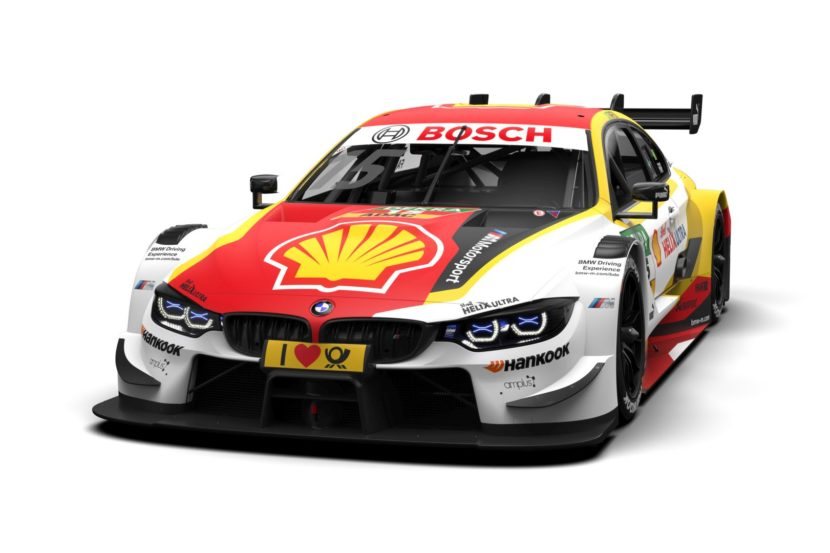
BMW releases video on its 2014–2018 DTM-winning M4 race car
Technology 361
Electric cars wear tyres faster than petrol models, MOT data shows
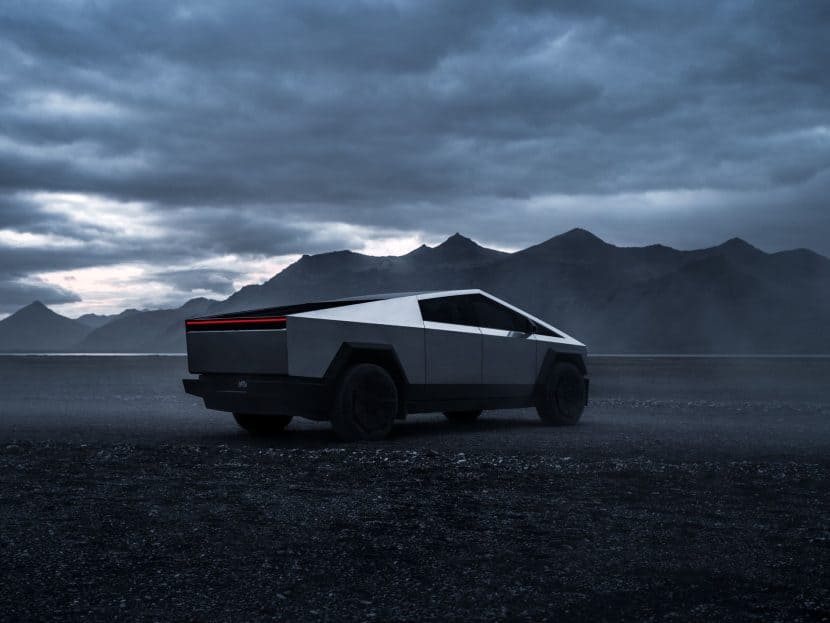
Tesla plans to wind down Cybertruck production at the Giga Texas factory by around mid-2027, freeing up space for the Cybercab. Pickup sales have dropped sharply, and prices have risen far from the original promise.
By Eleanor Ellington · 4 min read
Tesla intends to end Cybertruck production at the Giga Texas factory by around mid-2027. Elon Musk announced this on his X account, explaining the decision by the need to free up production space for the Cybercab, Tesla's autonomous taxi. According to him, the pickup will have been on the market for about three and a half years by that point.
Demand for the model has fallen noticeably. According to Kelley Blue Book, 20,237 Cybertrucks were sold in 2025, compared with 38,965 in 2024. Cox Automotive records 11,586 sales in the US from the beginning of the year through September 2026. Meanwhile, the line designed for 250,000 vehicles per year is currently running at about a quarter of its capacity. The Giga Texas factory covers more than 10 million square feet, and the company cites a lack of free space as one of the reasons for reallocating the production halls.
The model's history is also tied to a series of failures in pricing policy. As early as 2019, the company promised a starting price of $39,900, but the cheapest version at launch cost $60,990. In August, the base Dual-Motor AWD version was raised to $74,990, and now it is no longer available at all. In March 2025, nearly all Cybertrucks were recalled due to a problem with the exterior body panels, one of the most notable episodes in the model's history.
The pickup's geographic reach remains narrow. It is not officially sold in Europe or in most right-hand-drive countries, and reservations in Australia and New Zealand were canceled last month. For a company that has in recent years focused on international expansion, this limitation appears especially conspicuous against the backdrop of the production halt.
The Cybertruck's design, however, drew interest well beyond Tesla. Reportedly, BMW designers privately admired the vehicle's bold appearance and the company's willingness to adopt such a radical form. Tesla's chief designer Franz von Holzhausen, however, explained the vehicle's look primarily by the properties of the material from which the body is made, rather than by an independent aesthetic goal.
Nevertheless, BMC leadership has repeatedly stated that pickups are not among the company's target segments. The Mercedes X-Class offers a telling example: it sold 15,300 units in 2019 and was discontinued in May 2020. BMW's pickup efforts so far have been limited to one-off projects and were, in essence, a joke.
BMW came closest to the off-road niche with the G74 "Rugged" project. The model did not receive final approval in July and was canceled. Reportedly, its concept was partly influenced by an evaluation of the electric Rivian R1T pickup. However, the company itself considered the luxury SUV segment too small to enter. A competitor in the same niche, the Land Rover Defender, set a record in 2025 with 115,404 vehicles delivered, showing the gap between the scale of demand for premium off-roaders and BMW's expectations.
Tesla's decision ultimately marks the end of one of the company's most controversial projects: a model that was meant to showcase the potential of a new approach to manufacturing and design never found sustained demand, and its discontinuation frees up the site for the company's next product, the Cybercab autonomous taxi.
Source: bmwblog.com
15