
Business 202
Geely Confirms Canadian Launch for 2027
In this issue
Business 202
Geely Confirms Canadian Launch for 2027
Culture 230
GT500E-Style 1967 Ford Mustang Fastback with 437 Stroker V8 Heads to Auction
Economy 37
Russia's EV Share Overtakes US as Fuel Shortages Bite
News 149
Weekly Exercise Linked to Slower Memory and Movement Decline in Parkinson's Patie…
Politics 111
Trump Names Katie Zacharia as White House Press Secretary
Sports 265
Southampton to Host Portsmouth in Scheduled Fixture on 11 October 2026
Technology 262
Nio Completes 1.2 Million Battery Swaps in a Single Week
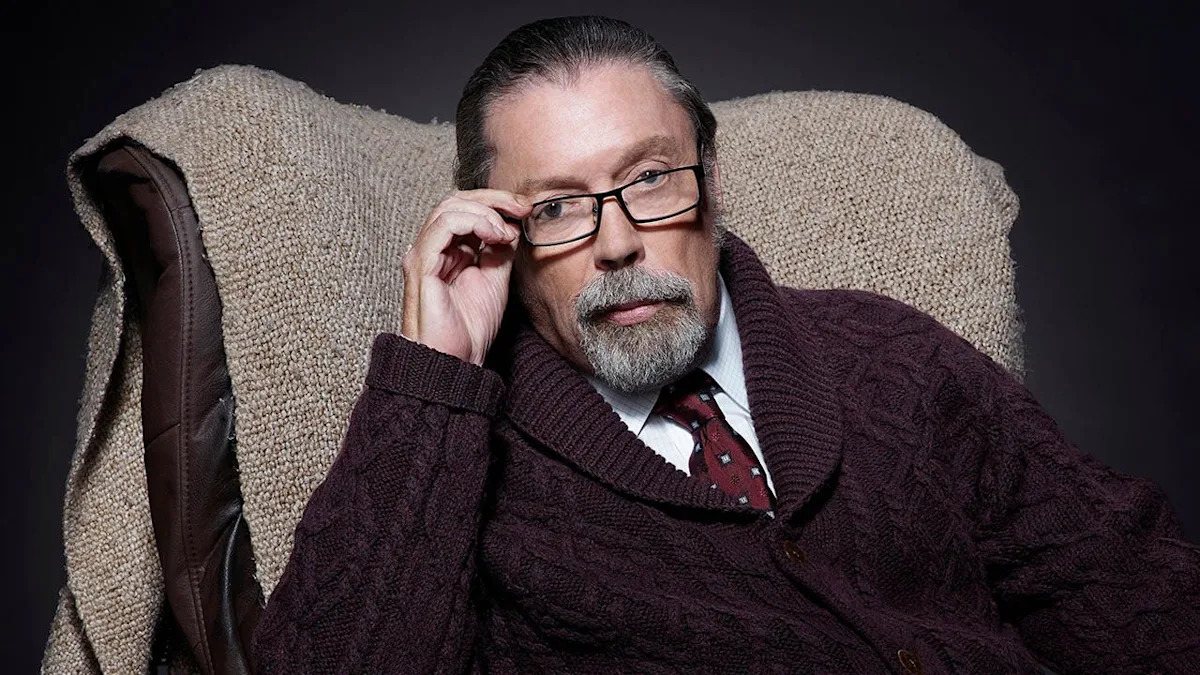
The British actor made audacity his signature, from the stage-born Frank-N-Furter to Pennywise, Wadsworth and a long run of memorable villains and voices.
By Charlotte Redford · 5 min read
Tim Curry, one of Britain’s most distinctive character actors, has died at the age of 80. TMZ reported his death on Wednesday, while People and other publications also carried the news. A cause was not immediately disclosed.
Curry’s reputation rests on a rare professional quality: he could take a role that might have collapsed into caricature and give it enough conviction to make the excess believable. That was true of Dr. Frank-N-Furter in “The Rocky Horror Picture Show,” Pennywise in “It,” Wadsworth in “Clue” and many of the villains he later played or voiced.
His working life began in the late 1960s. Curry appeared in the London production of “Hair” in 1968 and, five years later, originated Frank-N-Furter in “The Rocky Horror Show.” The 1975 film version turned the part into his defining image.
The film’s endurance was not built through a conventional box-office run. “Rocky Horror” became a midnight-screening institution. Audiences dressed as the characters, called out lines, staged scenes in front of the screen and treated the film as a recurring social event. Curry’s performance, a mixture of glam-rock confidence, comic timing and theatrical danger, gave that ritual its focal point.
For an actor, such a role can be both a gift and a trap. Curry spent the rest of his career demonstrating that he could use the same fearlessness in completely different settings. He played Rooster Hannigan in “Annie,” made the butler Wadsworth the kinetic center of “Clue,” and appeared in “The Hunt for Red October,” “Home Alone 2: Lost in New York,” “Muppet Treasure Island” and “Scary Movie 2.”
His 1990 turn as Pennywise in the television adaptation of Stephen King’s “It” gave him a second character of unusual cultural durability. Curry’s clown could be almost conversational before becoming vicious. The performance depended on voice and timing as much as makeup, and it remained the defining screen Pennywise for many viewers until a new generation of films arrived.
Voice acting expanded his range further. Curry won a Daytime Emmy for “Peter Pan and the Pirates” and became a prolific presence in animation. In video games, he played Soviet Premier Anatoly Cherdenko in “Command & Conquer: Red Alert 3” and voiced Arl Rendon Howe in “Dragon Age: Origins.” Both performances benefited from the authority and mischief already familiar from his screen work.
The stage remained an important measure of his craft. Curry received three Tony Award nominations and two Olivier Award nominations, an achievement that places his career beyond the cult-film label that followed him most closely.
In 2012, he suffered a major stroke that left him partially paralyzed and forced him to relearn speech. The event changed the practical shape of his career but did not erase his public presence. Curry continued selected voice work, appeared at fan events and maintained contact with audiences who had followed him for decades.
In 2025, he published “Vagabond,” a memoir reflecting on the long path from London theater to international fame and on life after the stroke. The timing gave Curry the chance to look back on a career that had already survived several cycles of rediscovery.
His longevity offers a useful lesson about character acting. Leading roles can dominate a season; distinctive supporting work can become part of a culture. Curry’s concierge in “Home Alone 2,” his frantic Wadsworth and even short vocal performances can be recognized immediately because he committed to them without embarrassment.
Tim Curry leaves behind five decades of work and an unusual kind of authority: the confidence to be extravagant without losing precision. The films, stage roles, animation and games remain. So does the example of a performer who understood that memorability is sometimes a craft in its own right.
62