
Business 120
BYD Plans Three European Assembly Plants and a Battery Factory
In this issue
Business 120
BYD Plans Three European Assembly Plants and a Battery Factory
Culture 113
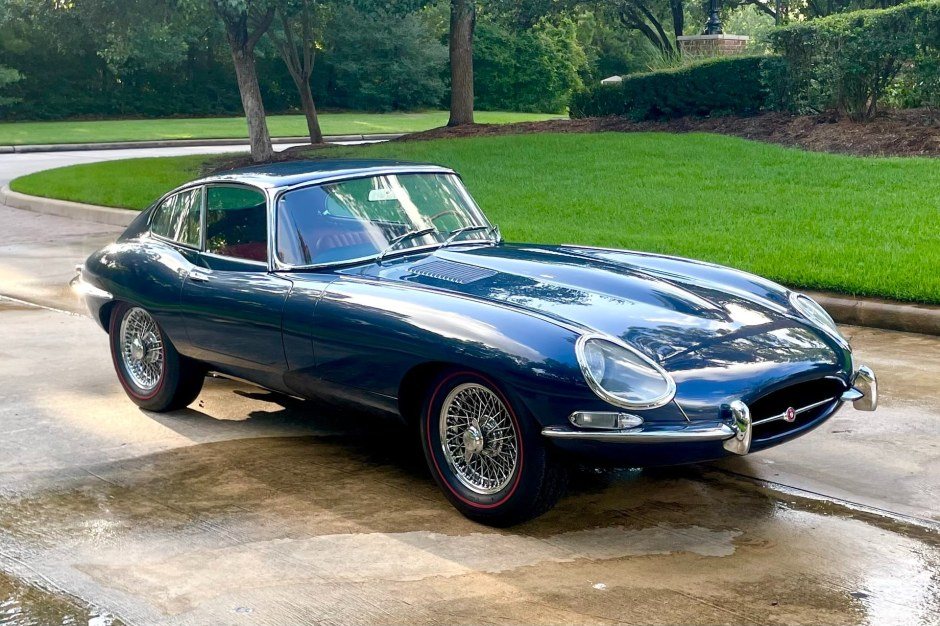
Restored 1967 Jaguar XKE Series I Coupe Heads to Auction in Texas
Economy 29
HMRC is writing to low earners about pension top-ups averaging about £70
News 127
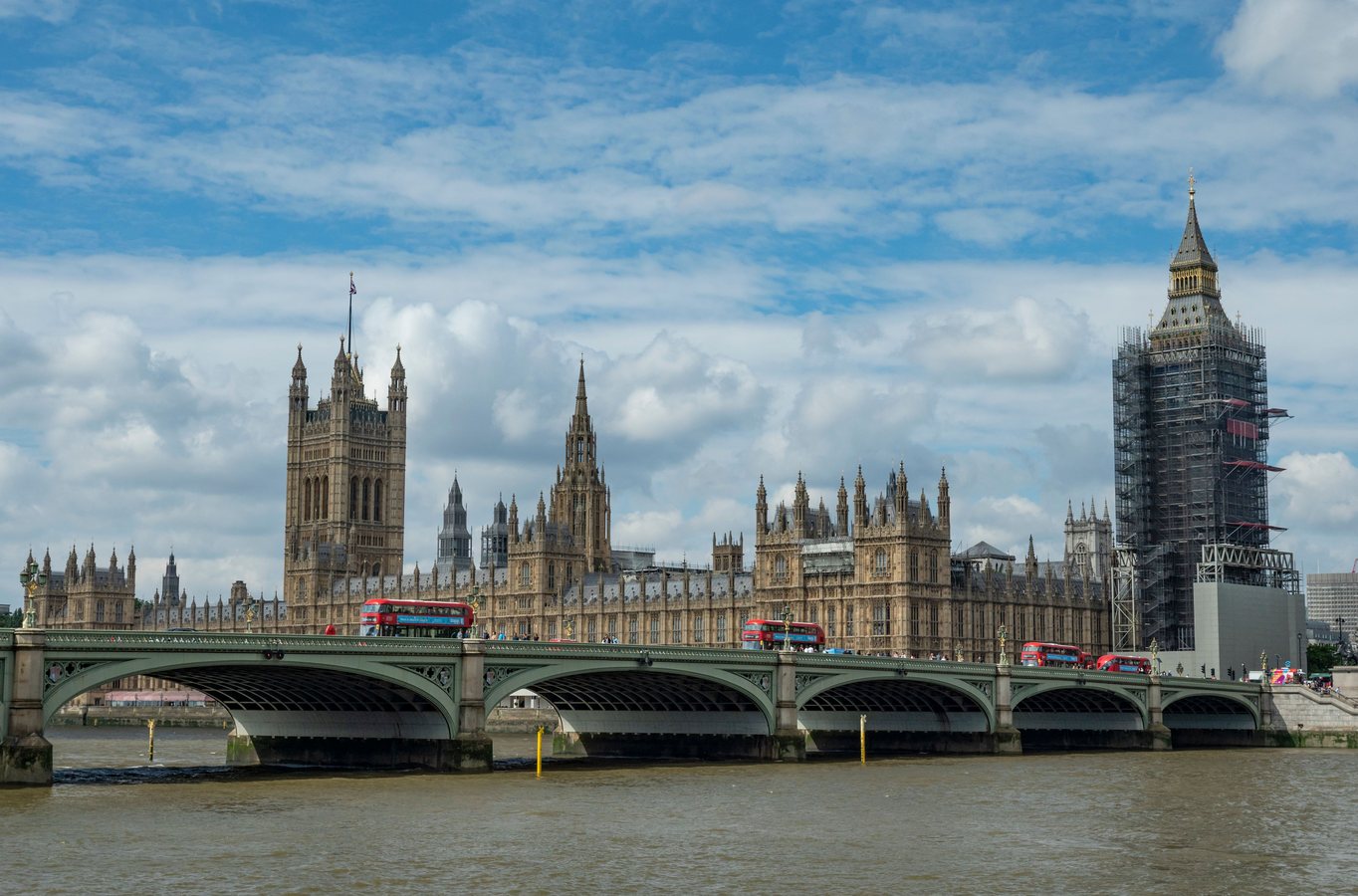
London Mayor Funds Safer Streets for Women and Girls
Politics 105
Reform UK's Welsh Leader Dan Thomas Resigns After Arrest on Suspicion of Assault
Sports 238
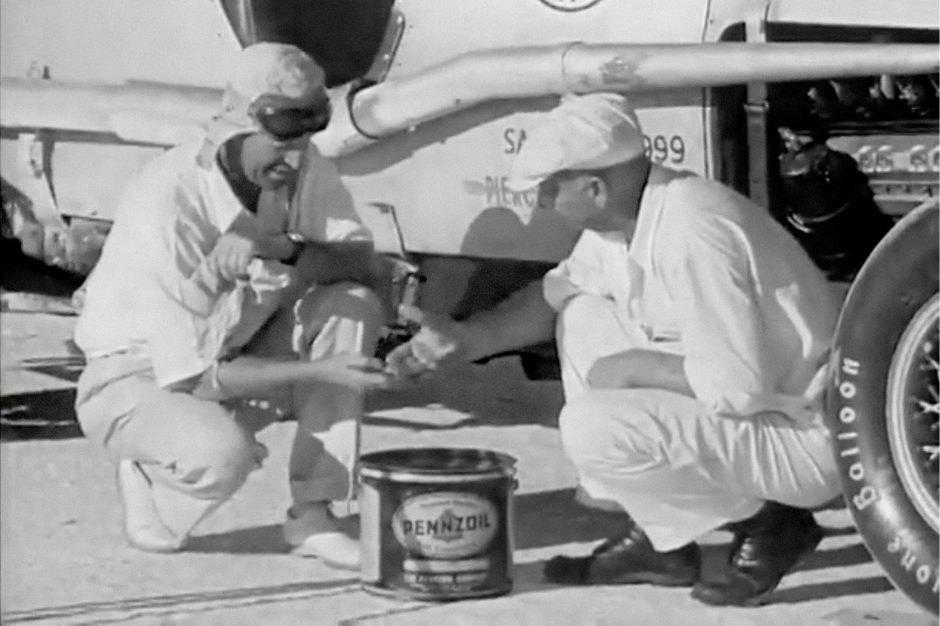
Ab Jenkins and the Salt Flats: How Pennzoil Backed the Quest for Speed and Safety
Technology 138
BMW M3 EV Prototype Drifts at Nürburgring as Xiaomi SU7 Ultra Closes In
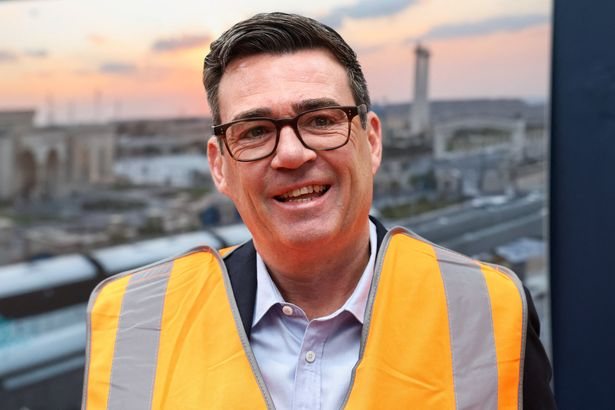
Greater Manchester Mayor Andy Burnham has called for banks and oil companies to pay more in tax after HSBC and BP reported bumper profits, while households struggle with the financial fallout.
By Edward Beaumont · 3 min read
HSBC and BP have become the latest corporate giants to announce bumper profits, helped in part by the Middle East conflict, while households across Britain continue to cope with the financial fallout. The announcements have intensified calls for banks and oil companies to pay more in tax, with Greater Manchester Mayor Andy Burnham among the most visible supporters of a windfall levy on the sectors.
Mr Burnham argues that a tax on financial services and energy producers could raise a significant sum to support public services and struggling families. The case rests on the view that companies making exceptional gains during a period of global instability have a responsibility to contribute more, especially when those gains reflect external conditions rather than new investment or innovation.
The latest corporate figures are likely to sharpen that argument. HSBC and BP are the latest in a line of industry giants to announce profit bonanzas, meaning the debate is no longer about isolated success but about a broader pattern of large-scale profits during a time of economic difficulty for many people.
The Middle East conflict has played a role in boosting earnings, particularly in the energy sector, where higher oil and gas prices can translate directly into bigger profits. For banks, the period has also been profitable, and the contrast with the experience of ordinary households has become increasingly hard to ignore.
That contrast has given the campaign for a windfall tax renewed traction. Supporters maintain that companies benefiting from circumstances such as geopolitical instability, inflation or higher interest rates should not keep all of their windfall gains. Instead, they say, a share of those profits should be captured to help ease the pressure on households hardest hit by rising costs.
The idea itself is not new, and banks and energy producers have frequently been the target of such proposals whenever profits rise sharply while living standards lag. The strength of the current debate reflects the scale of the latest earnings and the depth of the pressures facing families. That combination has made the subject harder for policymakers to ignore.
Whether the calls become policy is far from certain. The chances of a windfall tax being introduced remain unclear, and the proposal would need strong political backing to overcome opposition from the industries involved. What is clear is that the issue is unlikely to fade quickly.
Every fresh profit announcement is likely to give renewed ammunition to those calling for the banking and energy sectors to do more. With ordinary households still reeling from the financial fallout, the demand for a windfall tax on banks and oil giants is set to remain a prominent part of the political conversation.