
Business 120
BYD Plans Three European Assembly Plants and a Battery Factory
In this issue
Business 120
BYD Plans Three European Assembly Plants and a Battery Factory
Culture 113
Restored 1967 Jaguar XKE Series I Coupe Heads to Auction in Texas
Economy 29
HMRC is writing to low earners about pension top-ups averaging about £70
News 127
London Mayor Funds Safer Streets for Women and Girls
Politics 105
Reform UK's Welsh Leader Dan Thomas Resigns After Arrest on Suspicion of Assault
Sports 238
Ab Jenkins and the Salt Flats: How Pennzoil Backed the Quest for Speed and Safety
Technology 138
BMW M3 EV Prototype Drifts at Nürburgring as Xiaomi SU7 Ultra Closes In
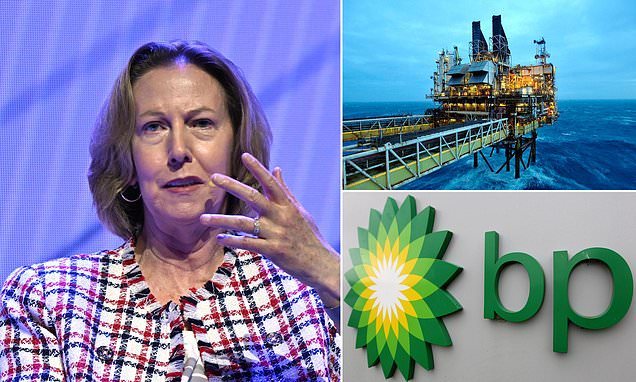
BP has warned that the North Sea is no longer «competitive» and urged Andy Burnham to scrap windfall taxes on oil and gas, intensifying the debate over levies on corporate profits during the cost-of-living crisis.
By Charlotte Redford · 4 min read
BP has warned that the North Sea is no longer «competitive» and has urged Andy Burnham to scrap windfall taxes on oil and gas, sharpening the political battle over how to tax corporate profits while households struggle with the cost of living.
The energy company's call arrives at a delicate moment for Mr Burnham. He is also being urged from another direction to consider fresh windfall taxes. The Mirror has launched a poll asking its readers whether he should consider such a tax to help struggling Britons, after the country's «big four» banks reported combined profits of more than £29 billion in six months.
For oil and gas producers, windfall taxes have become a major source of tension. Supporters of the levies argue that companies should hand back a share of their profits when energy prices are high and consumers are paying more for fuel and heat. The industry, by contrast, maintains that extra taxes reduce confidence, raise the cost of capital and discourage investment in projects that could keep the North Sea producing for years to come.
BP's warning that the North Sea is no longer competitive goes to the heart of that argument. If investors believe the tax regime will keep changing, they are less likely to commit money to new developments. The company appears to be telling politicians that the current approach is already causing damage in one of the UK's most important energy regions.
Windfall taxes have become an established part of the political toolkit in recent years, used to respond to sudden jumps in corporate earnings. They are often described as one-off charges on profits that are judged to be unexpectedly large. In practice, they can be revisited, extended and adapted, which is why companies such as BP treat them as a serious risk to their investment plans.
The banking dimension adds another layer to the debate. The £29 billion combined profit reported by the big four lenders has revived calls for a windfall charge on banks, highlighting how the idea of special taxes on high earners remains politically popular. The Mirror's poll underlines the strength of public interest in the idea.
Mr Burnham now faces a difficult balancing act. BP is urging him to scrap windfall taxes on oil and gas, while a national newspaper is asking him to consider new taxes on bank profits. His response could shape the direction of the wider windfall tax debate in British politics.
The broader context is the continuing squeeze on household budgets. With the cost of living still a pressing issue for millions of families, politicians are under pressure to be seen to act. Windfall taxes offer an apparently simple answer: take money from companies making large profits and use it to help those who are struggling.
For BP, the immediate concern is the message that today's tax environment sends to investors. The company's statement is a warning that the North Sea may become a less attractive home for future capital. That message is directed squarely at politicians who support the levies, and it is unlikely to be the last word in the argument.
How Mr Burnham responds remains to be seen. But the controversy over BP and North Sea windfall taxes is unlikely to fade, particularly if energy prices remain elevated or corporate profits continue to draw attention. The question of who should pay more and who should benefit is now firmly at the top of the political agenda.