Business 370
BMW i3 Electric Saloon Scores 4.5 Stars, Tops Performance EV Class in UK Review
In this issue
Business 370
BMW i3 Electric Saloon Scores 4.5 Stars, Tops Performance EV Class in UK Review
Culture 399
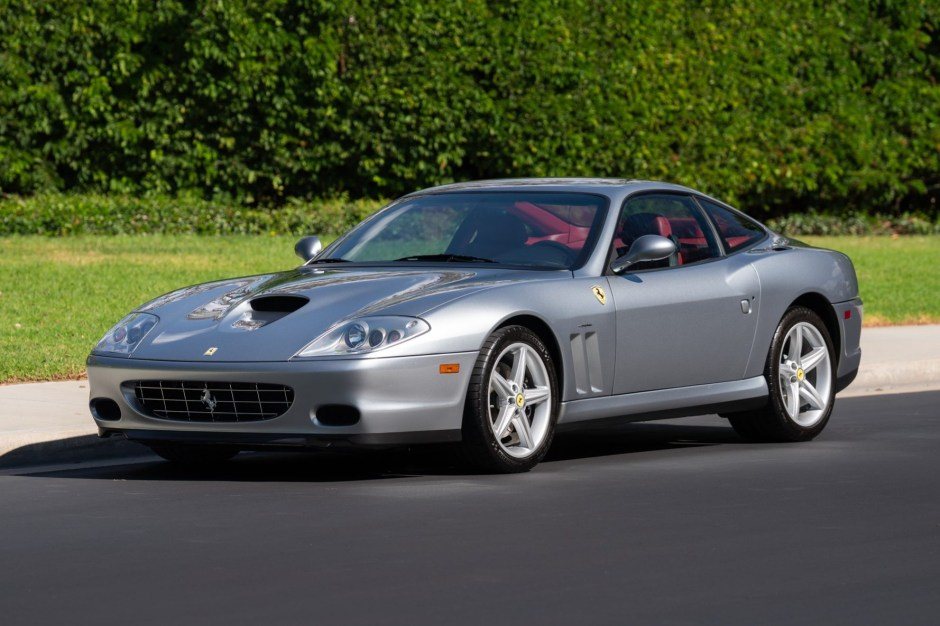
Ferrari 575M Maranello with 9,000 miles offered for sale
Economy 52
A 2014 Mustang Shelby GT500 Convertible Goes to Auction on Bring a Trailer
News 168
Modified 2026 Toyota Land Cruiser J250 heads to auction with extensive off-road u…
Politics 125
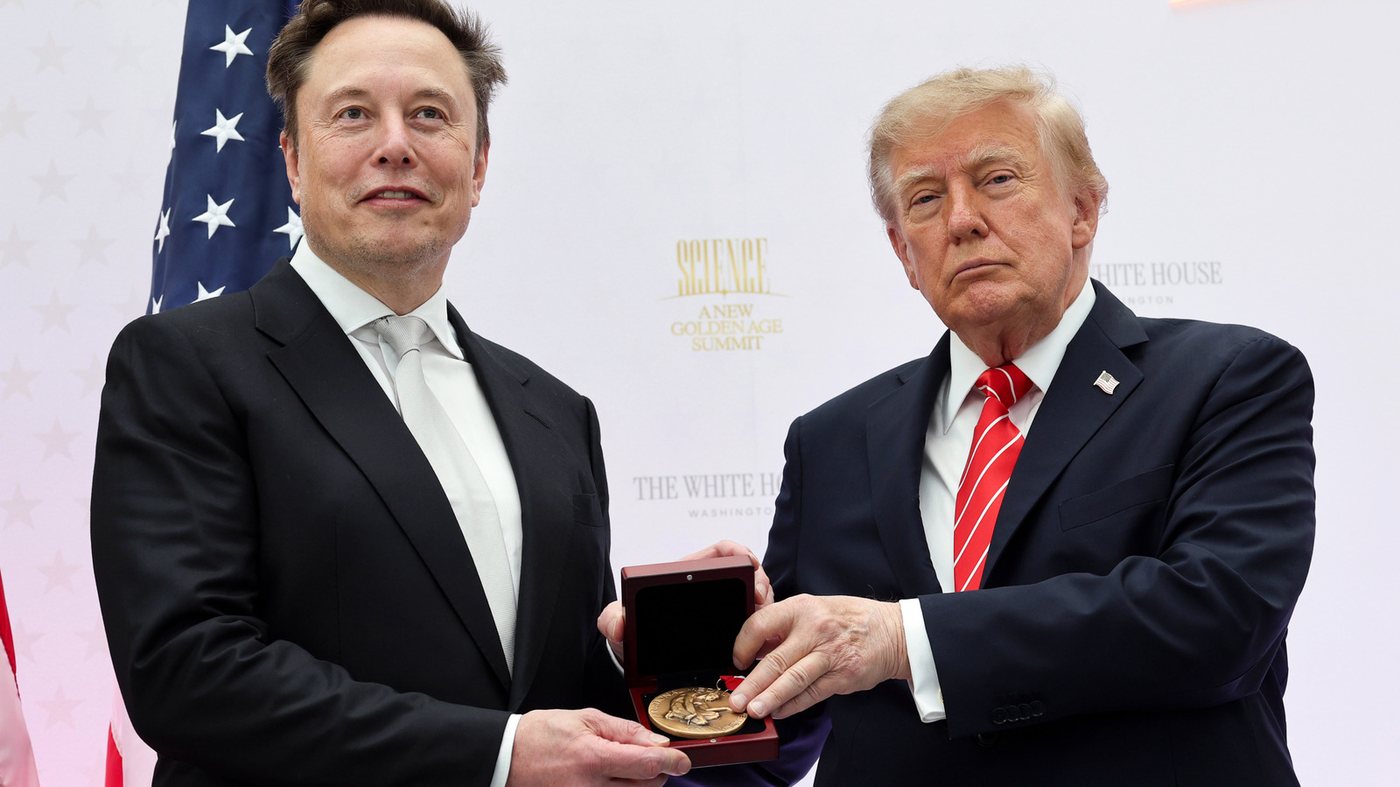
Musk’s reported $474 million political ad spend contrasted with alternative car p…
Sports 304
Lightweight Morgan Supersport 400 beats BMW M240i and Toyota Supra in drag race
Technology 366
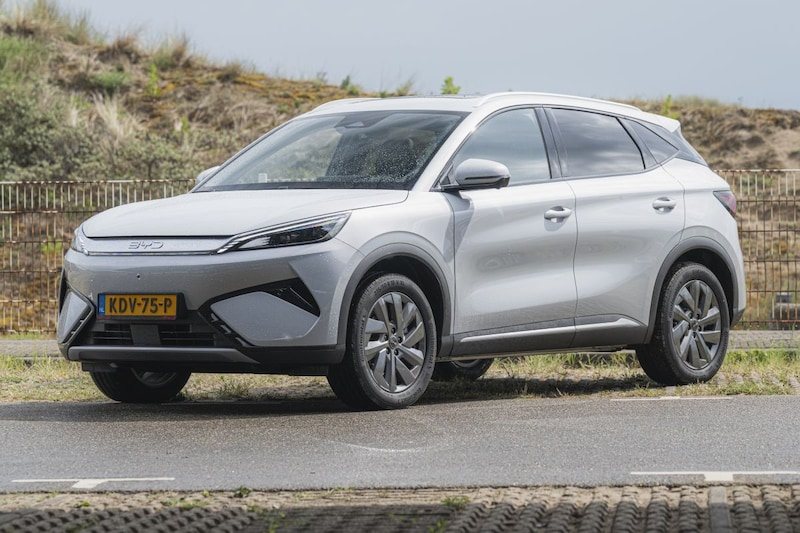
Fourteen MEPs Ask EU to Probe Security Risks of BYD Cars
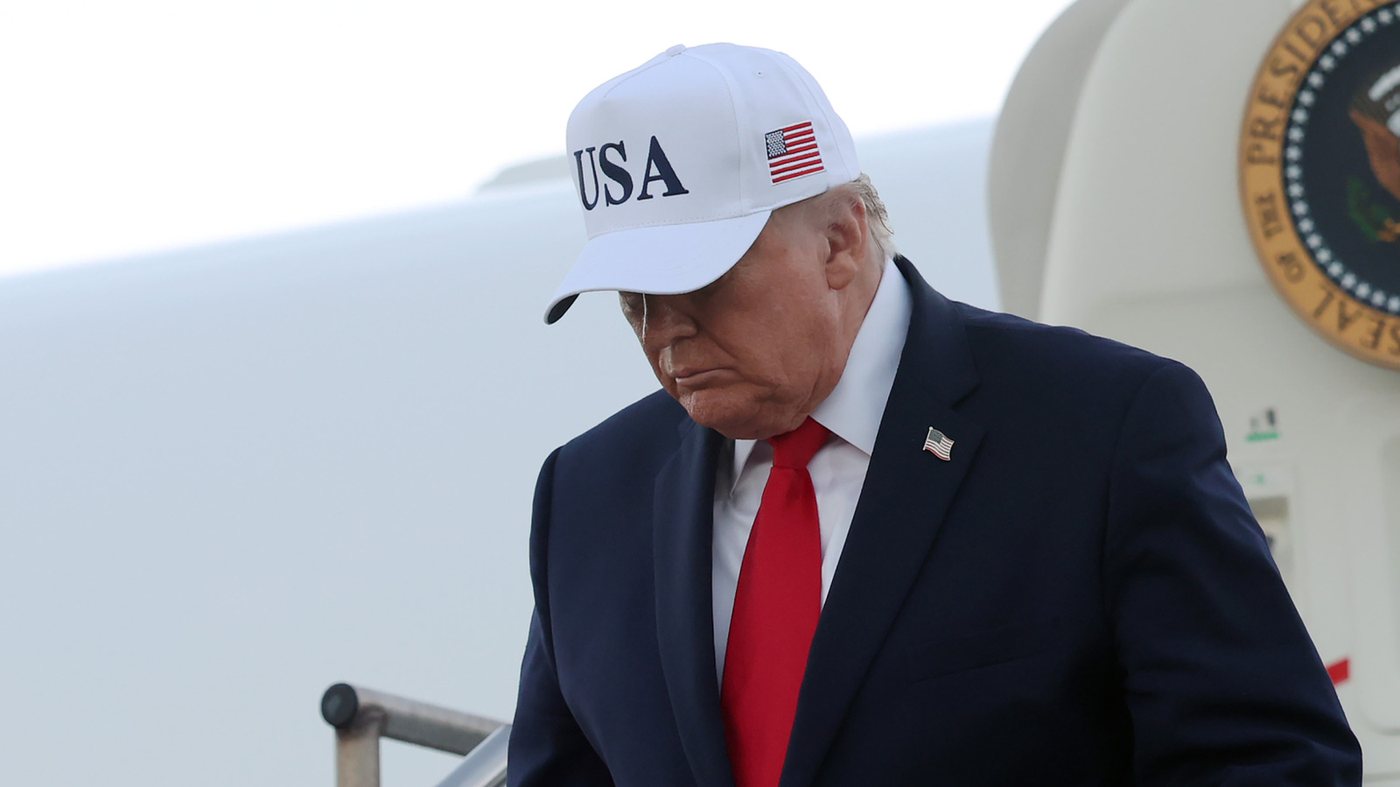
Oil prices have dropped on signs of possible de-escalation in the Iran conflict, though analysts caution the market move may rest more on hope than on confirmed developments.
By Edward Beaumont · 3 min read
Oil prices have fallen on news tied to the conflict involving Iran, with traders responding to signs that tensions could ease. The movement reflects a market reaction to the prospect of a calmer situation in the region rather than a confirmed change in policy or a clear end to hostilities. In energy markets, where prices respond quickly to any suggestion that supply disruption or military escalation may be contained, that kind of signal can move prices well before events on the ground are settled.
The decline has been linked in commentary to a broader question about the commitment of the United States to continuing the war. A headline on the subject suggests that President Donald Trump's resolve to keep fighting has weakened, and it connects that apparent shift to recent electoral losses for Republicans. The link is drawn by the commentary itself and is presented as a reading of political momentum rather than as a reported development. Whether the political pressure described in that analysis translates into a change of military course is not established by the material available.
The source is an opinion-leaning commentary piece rather than a reported news story, and it offers no concrete new facts about the conflict itself. It does not establish whether any formal policy change has taken place, and it does not identify a specific diplomatic step, ceasefire or official announcement that would justify the shift in market sentiment. No new figures on production, shipments or price levels are provided in the material, so the scale of the fall cannot be measured against a specific benchmark from the reporting itself.
That gap is central to how the move should be read. Traders often act on expectations before events are confirmed, and the commentary cautions that the price fall may reflect wishful thinking more than an actual improvement on the ground. If the anticipated de-escalation fails to materialise, the reaction could reverse, leaving prices exposed to the same uncertainty that drove the earlier moves. Markets that have priced in a calmer outlook are, in that sense, betting on a development that has yet to be confirmed.
For readers following energy markets and the wider economic effects of the Iran conflict, the key point is uncertainty. Prices have moved on the strength of signals rather than settled outcomes, and the material does not name any official source confirming a change in direction. Until official positions or verifiable events confirm a shift, the reasons behind the fall remain open to interpretation, and the political reading offered in the commentary should be weighed as analysis rather than as established fact.
Source: jalopnik.com
17