
Business 110
Dacia CEO Urges EU to Freeze Small Car Rules to Cut Prices
In this issue
Business 110
Dacia CEO Urges EU to Freeze Small Car Rules to Cut Prices
Culture 89
1988 Porsche 911 Carrera Targa G50 with Rebuilt Engine Heads to Auction
Economy 30
HMRC is writing to low earners about pension top-ups averaging about £70
News 123
Aftermarket Trackers Recover 99% of Stolen Cars as Factory Systems Fail
Politics 104
Met police open inquiry into alleged foreign donations to Reform UK
Sports 231
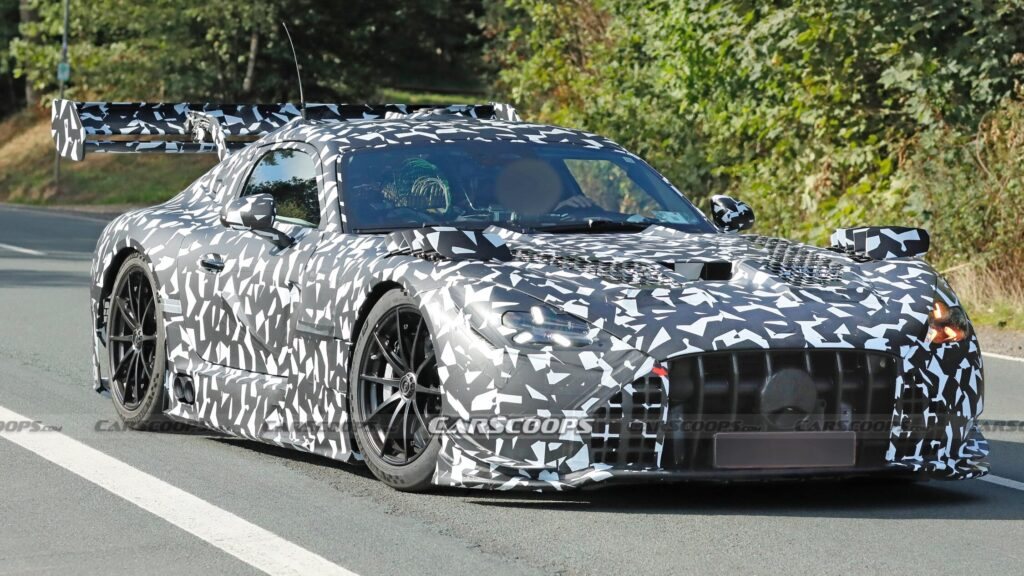
AMG GT Black Series Spied With Radical Aero Ahead of Nürburgring Record Attempt
Technology 117
BMW Confirms Next 3 Series Will Retain Plug-In Hybrid Power
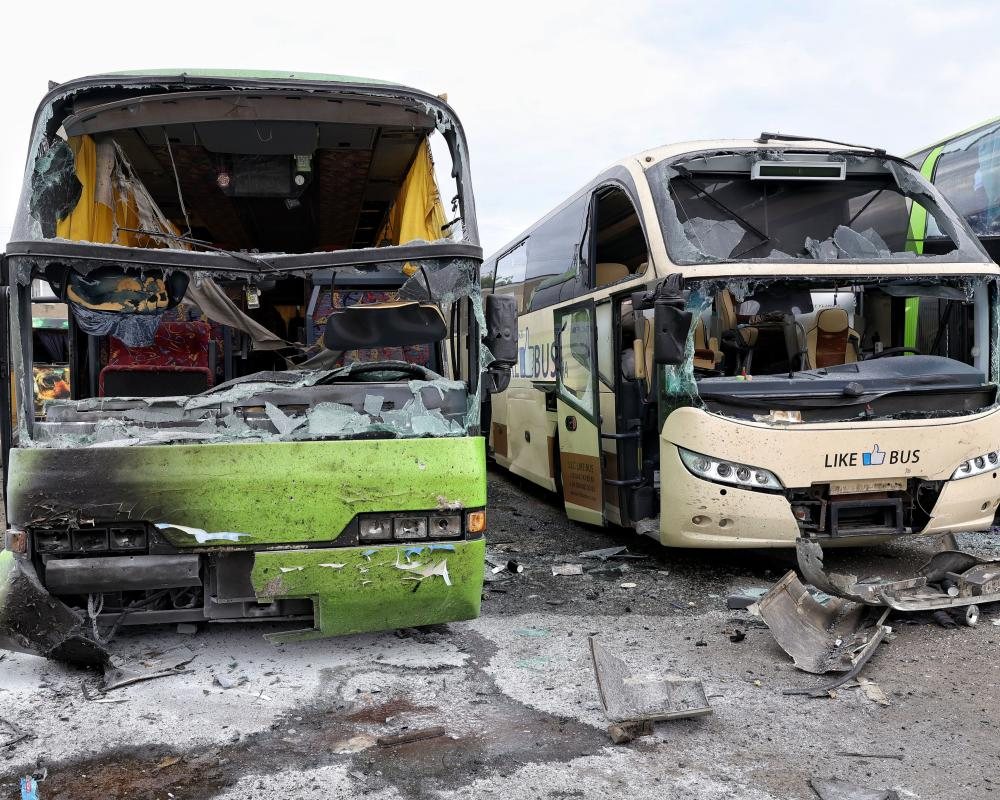
Ukraine's President Volodymyr Zelenskyy has urged allies to provide a winter package of 300 Patriot missiles, while welcoming a European-backed anti-ballistic missile shield project called Freyja as an alternative to the US system. The appeal comes as Russian drone and missile attacks continue to hit Kyiv and other cities, and as the EU and Britain impose new sanctions on Russian cyber-attack units.
By Eleanor Ellington · 5 min read
Ukraine’s President Volodymyr Zelenskyy has called on allied nations to supply 300 Patriot interceptor missiles to help the country defend itself through the coming winter, even as Kyiv welcomes a new European-backed anti-ballistic missile shield project as a longer-term alternative to the American system. Speaking after talks in Paris, Zelenskyy said the package should include 100 Patriot missiles per month, stressing that air defence remains the most urgent priority for Ukraine as it enters its fifth winter under full-scale Russian invasion.
The Freyja defence project, which originated in Ukraine, is expected to be developed over the next 12 months with support from nine other countries, including the United Kingdom, Germany and France. The initiative aims to build a shared missile protection programme for Europe, drawing on Kyiv’s extensive combat experience against Russian missile and drone attacks. While former US President Donald Trump has promised Ukraine a licence to manufacture Patriot missiles domestically, the extreme complexity of the interceptors and slow output of critical parts by American subcontractors mean that domestic production is likely still some time away.
During the Paris meeting, French President Emmanuel Macron announced a roadmap for Ukraine to receive 16 Rafale fighter jets, with the first expected to be operational by 2028–2029. Macron also confirmed that Kyiv would acquire an initial batch of new-generation SAMP/T missile defence units, which will complement systems due for delivery in the coming weeks. In addition, Macron stated that the multinational force for Ukraine, to be deployed in the event of a ceasefire, would hold exercises in neighbouring countries in the coming months to validate deployment plans and demonstrate readiness.
The UK has signed up to participate in the European Union’s €90 billion (£77 billion) support loan for Ukraine, enabling British firms to supply more weapons funded by the arrangement. The loan is part of a broader Western effort to sustain Ukraine’s defence capabilities as the war enters a protracted phase.
On the ground, Russian forces attacked the Ukrainian capital, Kyiv, with missiles and drones early on Tuesday, triggering fires in widely separated districts. Tymur Tkachenko, head of the capital’s military administration, said two storage areas were hit and set ablaze in the Holosiivskyi district just outside the city centre. Mayor Vitali Klitschko reported that cars burned in an open area in an eastern suburb following drone strikes. In the south-eastern city of Zaporizhzhia, Russian drones struck residential and other areas, injuring 11 people, according to emergency services. A drone attack in a town outside Kharkiv injured six people, said regional governor Oleh Syniehubov.
The Russian-installed head of the part of Ukraine’s Donetsk region under Moscow’s control claimed on Monday that Ukrainian drone attacks had killed eight people, including a family of four. Reuters said it could not independently verify the report. Ukraine denies targeting civilians.
In a coordinated move, the European Union and Britain imposed new sanctions on Monday targeting Russian cyber-attack operations in Europe, accusing Moscow’s Federal Security Service (FSB) of involvement. Brussels imposed sanctions on nine individuals and four entities, while London added 24 names to its blacklist. Among those subjected to asset freezes and visa bans were officers of Russia’s GRU military intelligence agency and alleged cybercriminals working with the Russian state. The EU and Britain said a recent attempted cyber-attack targeting critical infrastructure in Poland, including the power grid, was the latest in a series of such moves by the FSB’s Centre 16 spying hub.
The French foreign ministry added that among the sanctioned targets was a group that claimed destabilising actions against the Paris 2024 Olympics. The EU stated that France, Germany, Poland, Cyprus, the Netherlands, Austria, Slovakia, Romania and Finland have been targeted in a cyber campaign stretching back years. The sanctions are intended to disrupt Russia’s ability to conduct hostile cyber operations against European infrastructure and democratic processes.