Business 110
Dacia CEO Urges EU to Freeze Small Car Rules to Cut Prices
In this issue
Business 110
Dacia CEO Urges EU to Freeze Small Car Rules to Cut Prices
Culture 89
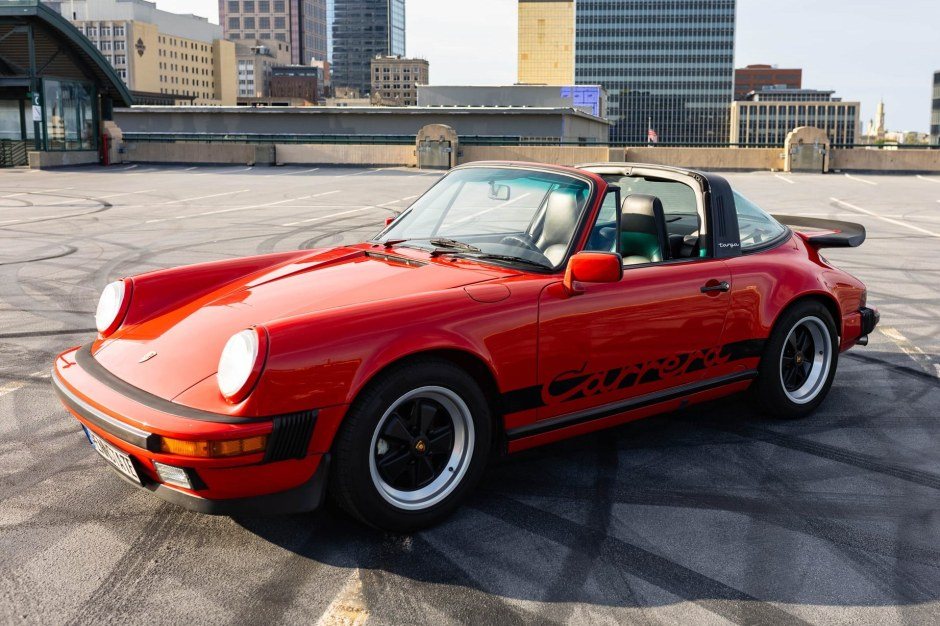
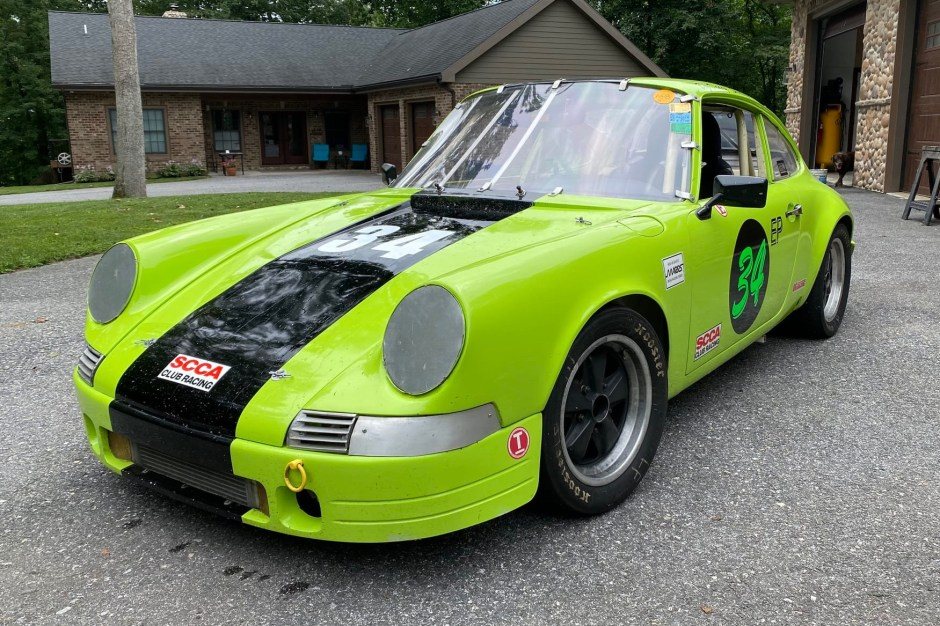
1988 Porsche 911 Carrera Targa G50 with Rebuilt Engine Heads to Auction
Economy 30
HMRC is writing to low earners about pension top-ups averaging about £70
News 124
Aftermarket Trackers Recover 99% of Stolen Cars as Factory Systems Fail
Politics 104
Met police open inquiry into alleged foreign donations to Reform UK
Sports 230
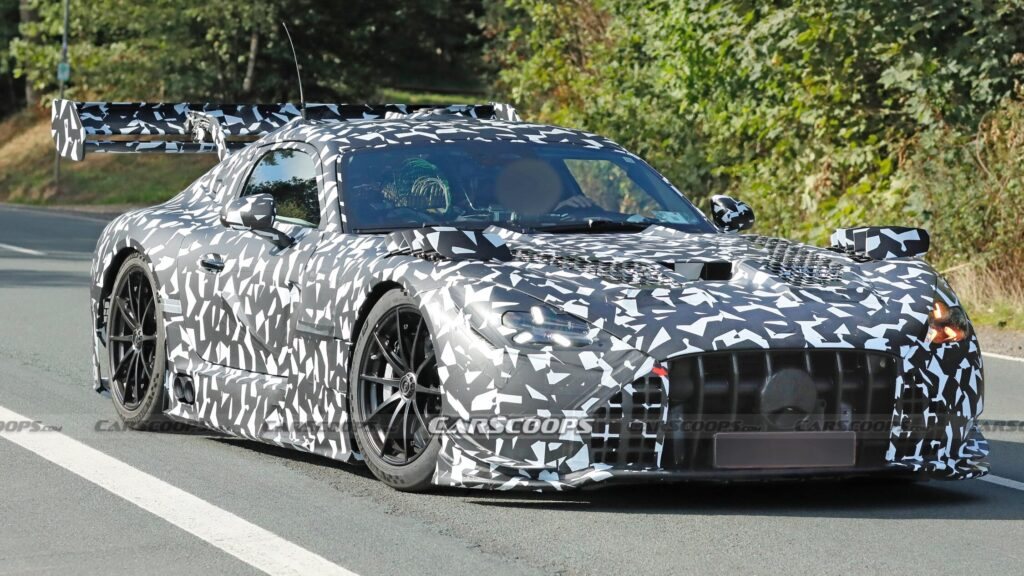
AMG GT Black Series Spied With Radical Aero Ahead of Nürburgring Record Attempt
Technology 117
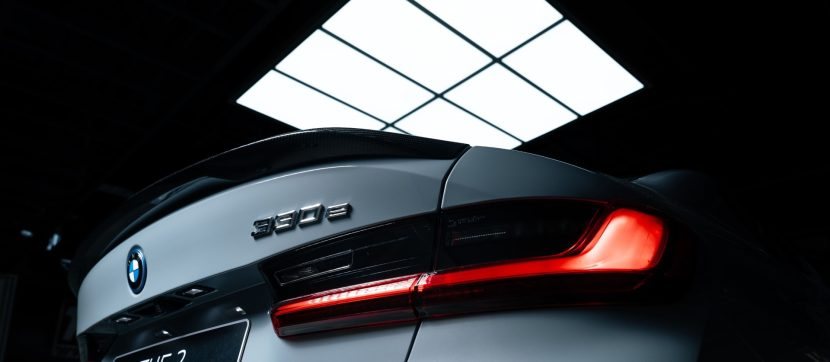
BMW Confirms Next 3 Series Will Retain Plug-In Hybrid Power
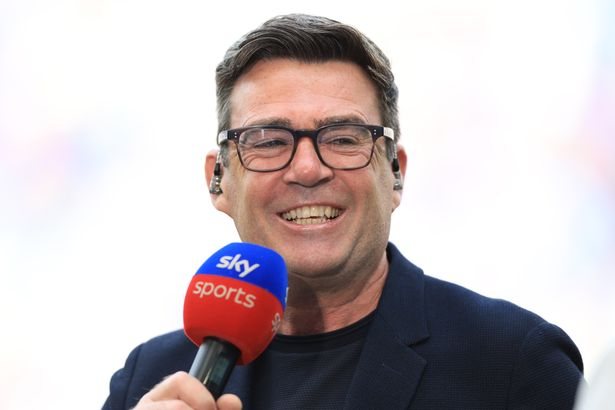
Greater Manchester mayor Andy Burnham has said the law preventing football fans from drinking alcohol in stadium stands is 'wrong' and vowed to review it, questioning why the same restriction does not apply to rugby league matches.
By George Kensington · 5 min read
Greater Manchester Mayor Andy Burnham has described the current law banning football fans from consuming alcohol in stadium stands as «wrong» and has pledged to examine the legislation, arguing that the restriction unfairly targets football supporters compared to those attending other sports.
Burnham, a lifelong Everton fan and widely regarded as a potential future Labour leader, made the comments after being photographed enjoying a pint while watching a rugby league match over the weekend. The image highlighted what he sees as an inconsistency in the law, which permits alcohol consumption in stands at rugby league games but prohibits it at football matches.
«I think we need to look at that,» Burnham told reporters. «It is wrong that football fans are treated differently to rugby fans in the same stadium.» His remarks have reignited a long-running debate about the Sporting Events (Control of Alcohol etc.) Act 1985, which was introduced primarily to combat hooliganism and has since been applied strictly to football.
The law currently makes it a criminal offence to possess alcohol within the sight of the pitch at designated football matches in England and Wales, while similar restrictions do not apply to rugby union, rugby league, cricket, or other sports. Burnham questioned why a fan watching a football match at Wembley Stadium cannot drink a beer in their seat, while a spectator at a rugby league event at the same venue can do so without issue.
Burnham’s intervention comes at a time when football authorities are increasingly reviewing fan experience and stadium regulations. The Football Supporters’ Association has previously called for a relaxation of the rules, arguing that modern football crowds are far less prone to the disorder that prompted the original legislation. Critics of the ban contend that it is outdated and penalises the majority of well-behaved supporters.
However, opponents of any change warn that allowing alcohol in stands could lead to increased antisocial behaviour and safety risks. Police and some safety officials have expressed concern that relaxing the rules might reverse decades of progress in making football matches family-friendly environments. The UK Government has so far shown little appetite for amending the law, citing public order considerations.
Burnham’s stance has drawn support from some fellow politicians and fan groups. Liverpool City Region Mayor Steve Rotheram, also a Labour figure, has echoed the call for a review, noting that the current rules create an arbitrary distinction between sports. «If you can have a drink watching rugby, why not football?» Rotheram said in a statement.
The debate also touches on broader issues of stadium economics and fan culture. Clubs have long argued that allowing alcohol in stands could boost matchday revenue, as supporters would be more likely to purchase drinks inside the ground rather than before or after the game. Some European leagues, including those in Germany and the Netherlands, permit beer in seating areas without widespread problems.
Burnham, who has positioned himself as a champion of northern England and football fans, is expected to raise the issue formally with the Department for Culture, Media and Sport. While no immediate legislative change is anticipated, his comments have added momentum to a campaign that has been simmering for years.
The Greater Manchester mayor’s remarks also come as England prepares for a crucial international match, with Burnham jokingly vowing to stay up until 3am to watch the game. His lighthearted comment underscores the passion that football inspires, even as he calls for a serious review of what he considers an unjust law.
For now, the ban remains in place, but Burnham’s intervention ensures that the question of whether football fans should be allowed to drink in the stands will continue to be debated in political and sporting circles.