
Business 110
Dacia CEO Urges EU to Freeze Small Car Rules to Cut Prices
In this issue
Business 110
Dacia CEO Urges EU to Freeze Small Car Rules to Cut Prices
Culture 89
1988 Porsche 911 Carrera Targa G50 with Rebuilt Engine Heads to Auction
Economy 30
HMRC is writing to low earners about pension top-ups averaging about £70
News 124
Aftermarket Trackers Recover 99% of Stolen Cars as Factory Systems Fail
Politics 104
Met police open inquiry into alleged foreign donations to Reform UK
Sports 230
AMG GT Black Series Spied With Radical Aero Ahead of Nürburgring Record Attempt
Technology 116
Waymo Expands Driverless Ride-Hailing to Las Vegas
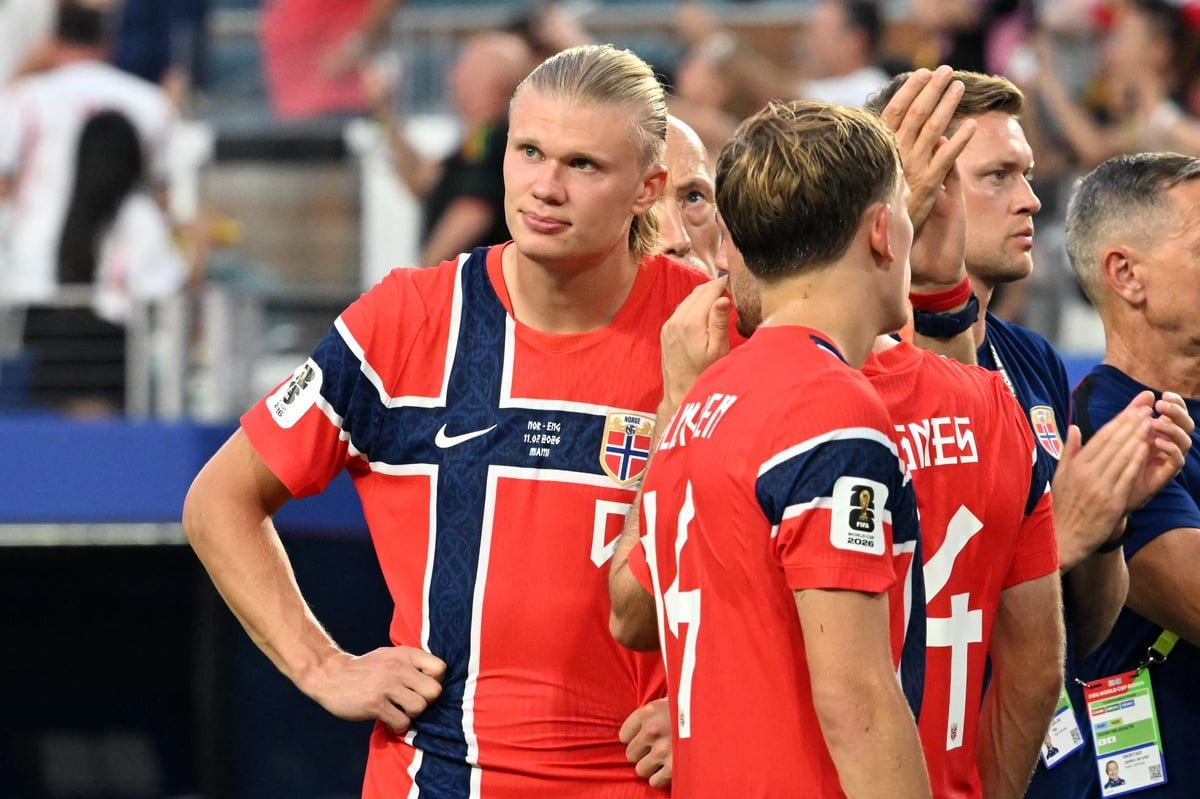
Norway manager Stale Solbakken substituted star striker Erling Haaland during extra time of the World Cup quarter-final against England, a decision that drew widespread attention as his team sought an equaliser.
By Charlotte Redford · 4 min read
Norway manager Stale Solbakken made the surprising decision to substitute star striker Erling Haaland during extra time of the World Cup quarter-final against England, a move that left fans and pundits questioning the logic as his team desperately sought a goal to stay in the tournament. The substitution occurred in the second period of extra time, with Norway trailing 2-1 and needing a goal to force a penalty shootout. Haaland, widely regarded as one of the most prolific scorers in world football, had been largely contained by England's defence throughout the match but remained Norway's primary attacking threat.
The match, played in Miami, saw England take an early lead through a well-worked team goal, but Norway responded with a spirited performance that included a controversial disallowed goal. Torbjorn Heggem thought he had put Norway ahead in the second half, only for the goal to be ruled out following a FIFA rule change that has overhauled the use of VAR. The decision sparked debate, with many observers arguing that the goal should have stood and that Haaland was the victim of the new interpretation of the laws.
England eventually regained the lead through Jude Bellingham, whose equaliser earlier in the match had already caused frustration on the Norwegian bench. Footage showed Solbakken launching a water bottle at his own backroom staff after Bellingham's goal, an incident that highlighted the tension and high stakes of the knockout fixture. The Norwegian coach later defended his decision to substitute Haaland, citing fatigue and the need for fresh legs, but the explanation did little to quell criticism from fans and former players.
Haaland's father, Alfie Haaland, also weighed in on the controversy, aiming a thinly veiled dig at the match officials after the defeat. In comments reported by British media, the former Premier League player suggested that his son had been unfairly treated by referees during the tournament, though he stopped short of making direct accusations. The elder Haaland's remarks added to the sense of injustice felt by the Norwegian camp, who believed they had been denied a legitimate goal and a fair chance to progress.
The defeat ended Norway's World Cup campaign at the quarter-final stage, a result that will be seen as a missed opportunity given the talent in their squad. Haaland, who had scored five goals in the tournament prior to the quarter-final, was unable to add to his tally against a well-organised England defence marshalled by Harry Maguire and John Stones. The match also featured a surprise cameo from former England striker Gary Lineker, who gatecrashed the BBC's reaction show 14 months after his departure from the broadcaster, adding a touch of levity to an otherwise tense evening.
England's victory set up a semi-final clash with another European powerhouse, maintaining their status as one of the favourites for the title. For Norway, the focus will now shift to qualifying for the next major tournament and ensuring that Haaland is supported by a system that can maximise his immense talent. The substitution controversy is likely to linger, however, with questions about Solbakken's tactical decisions and the team's ability to perform under pressure.
The match also highlighted the ongoing impact of FIFA's VAR rule changes, which have been a talking point throughout the tournament. The disallowed goal for Norway was one of several contentious decisions that have prompted calls for greater clarity and consistency in the application of the technology. As the World Cup progresses, the debate over the balance between human judgment and technological intervention is unlikely to subside.