
Business 110
Dacia CEO Urges EU to Freeze Small Car Rules to Cut Prices
In this issue
Business 110
Dacia CEO Urges EU to Freeze Small Car Rules to Cut Prices
Culture 89
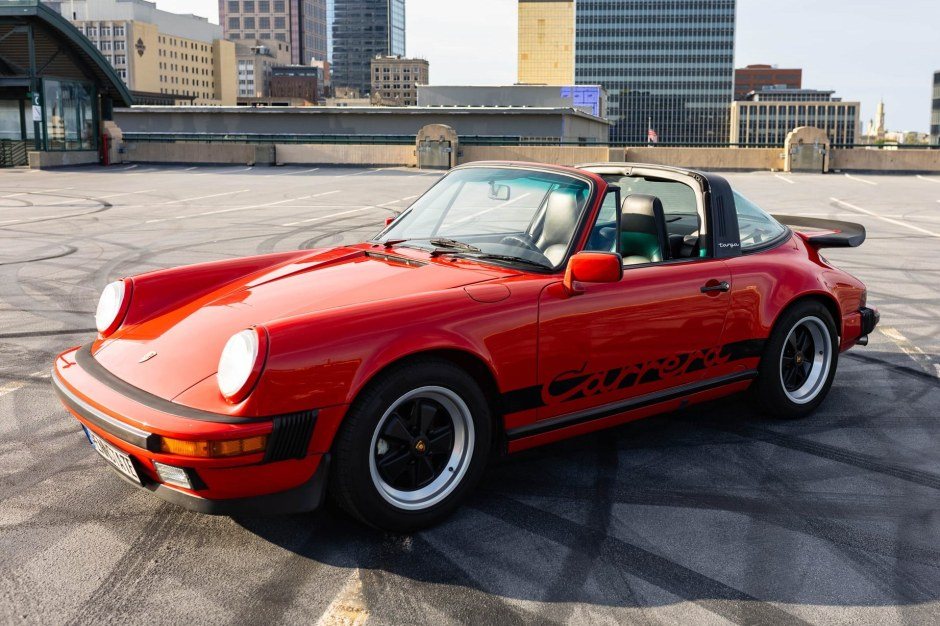
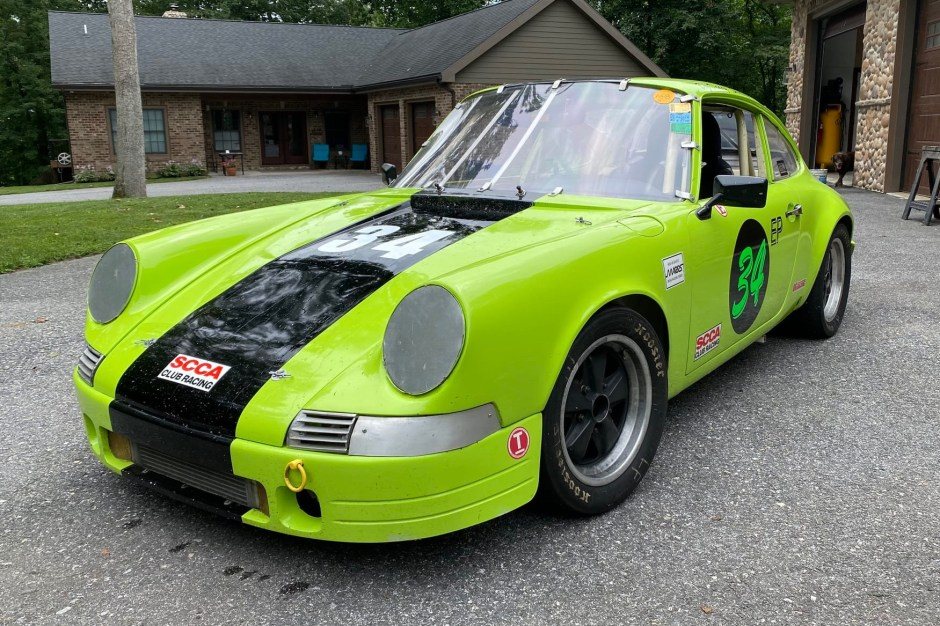
1988 Porsche 911 Carrera Targa G50 with Rebuilt Engine Heads to Auction
Economy 30
HMRC is writing to low earners about pension top-ups averaging about £70
News 124
Aftermarket Trackers Recover 99% of Stolen Cars as Factory Systems Fail
Politics 104
Met police open inquiry into alleged foreign donations to Reform UK
Sports 230
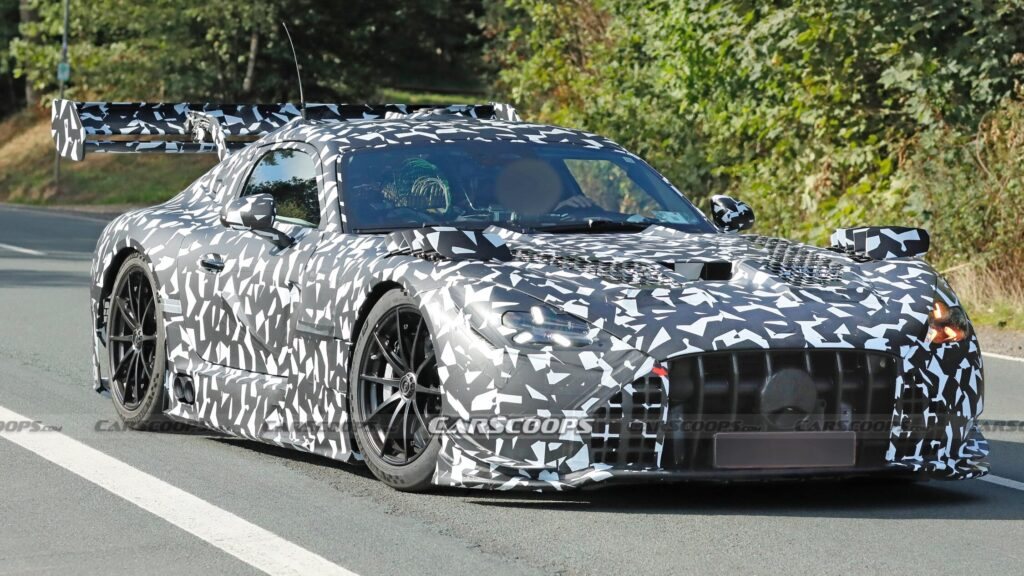
AMG GT Black Series Spied With Radical Aero Ahead of Nürburgring Record Attempt
Technology 117
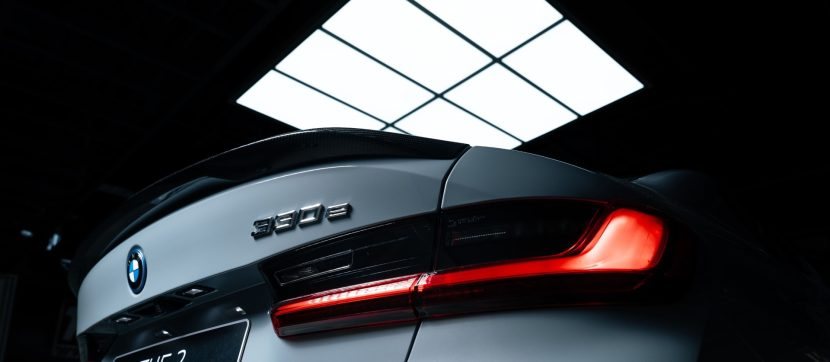
BMW Confirms Next 3 Series Will Retain Plug-In Hybrid Power
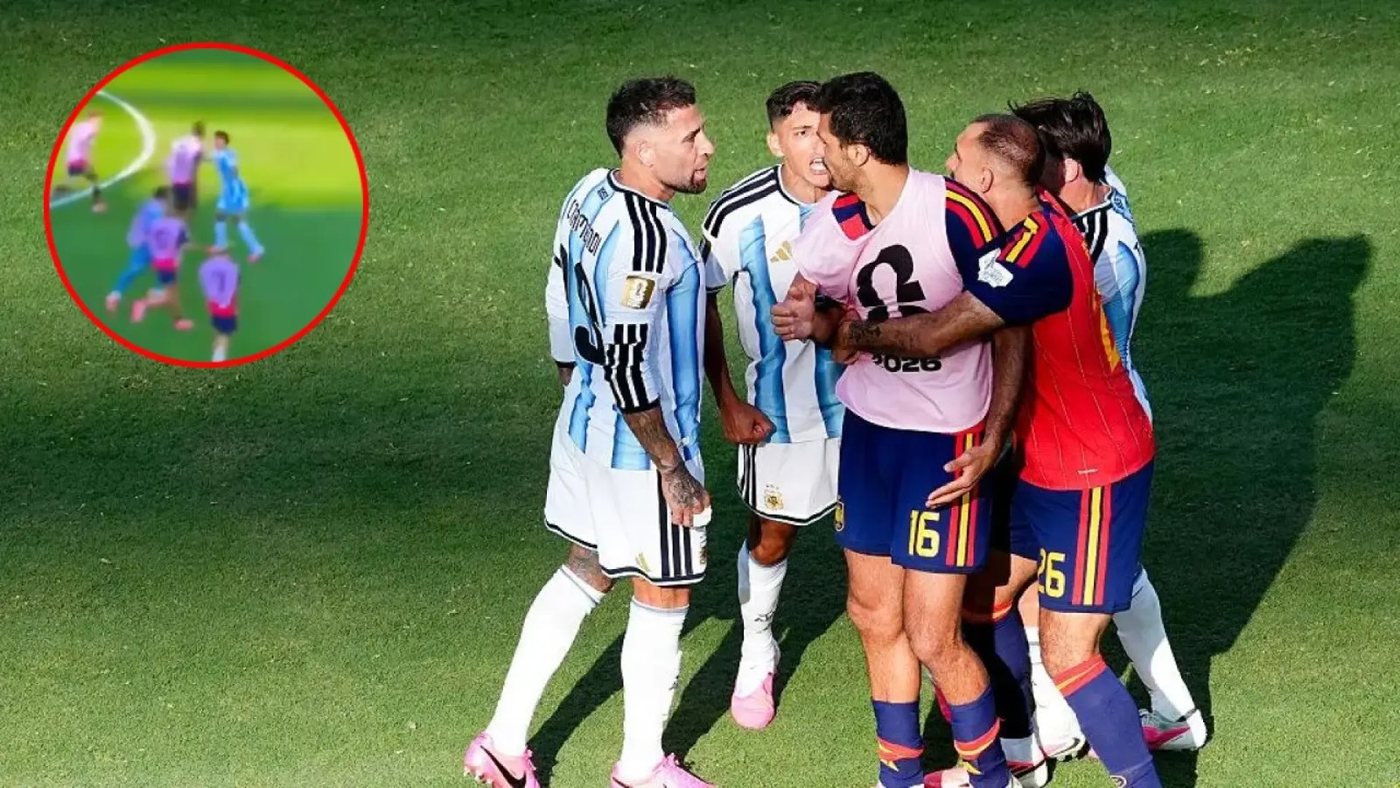
FIFA has opened a disciplinary investigation into the post-match brawl that marred the 2026 World Cup final, with Argentine players accused of attacking Spanish celebrants and a section of the Argentine press pointing to Spain captain Rodri as the instigator.
By Edward Beaumont · 4 min read
FIFA has launched a disciplinary investigation into the ugly scenes that erupted after the 2026 World Cup final, during which several Argentine players attacked Spanish footballers as they celebrated their title victory. The world governing body has appointed an instructor to examine the incident, review match officials' reports and video footage, and determine whether sanctions should be imposed on members of the Albiceleste squad.
The trouble began immediately after the final whistle, when Spain secured a 1-0 win thanks to a goal from Ferran Torres. As the Spanish players ran to celebrate together, Argentina defender Nahuel Molina punched Spain captain and tournament Ballon d'Or winner Rodri in the torso. According to Argentine sports daily Olé, the incident was downplayed as a minor reaction to what it described as a «supposed taunt» from the Spanish midfielder. The newspaper wrote: «Alleged provocation from the midfielder and a little punch from the full-back amid the Spanish celebrations.»
Rodri turned to confront Molina over the blow, sparking a mass brawl. The melee escalated when Argentina midfielder Leandro Paredes grabbed Spain's Eric García by the neck and knocked Gavi to the ground, earning a red card. Argentina assistant coach Roberto Ayala also struck Spain's Dani Olmo during the confrontation. Television images showed several Argentine players turning their backs and refusing to watch as Spain prepared to lift the World Cup trophy.
The match itself had been marked by extreme physicality from the Argentine side, with numerous fouls and heated exchanges throughout the 90 minutes. Spain's victory ended Argentina's reign as world champions and denied Lionel Messi's team a second consecutive title. The tension boiled over at the final whistle, turning what should have been a moment of sporting triumph into a disciplinary crisis.
FIFA's investigation will focus on the conduct of Molina, Paredes, Ayala and other Argentine personnel involved in the post-match violence. The governing body has the power to issue suspensions, fines, or other sanctions under its disciplinary code. The incident has drawn widespread condemnation from football officials and pundits, who described the scenes as shameful for the sport.
The Argentine press has largely defended their players, with some outlets suggesting that Spanish celebrations were excessively provocative. However, international media and football authorities have criticised the aggression, noting that the violence marred what had been a hard-fought and dramatic final. The BBC reported that FIFA was treating the matter with the utmost seriousness, while The Guardian described the scenes as «ugly» and «gang-like» in their intensity.
Spain's victory was the culmination of a remarkable tournament for La Roja, who had not been considered pre-tournament favourites but grew in confidence with each match. Rodri, who was named the tournament's best player, had been instrumental in Spain's midfield dominance throughout the competition. The post-match brawl has overshadowed what should have been a historic achievement for Spanish football.
FIFA has not set a timeline for the investigation's conclusion, but disciplinary proceedings typically take several weeks. The outcome could have significant implications for Argentina's squad ahead of future international fixtures, including the next Copa América and World Cup qualifying matches. For now, the football world waits to see whether the governing body will take decisive action to uphold the sport's disciplinary standards.