
Business 110
Dacia CEO Urges EU to Freeze Small Car Rules to Cut Prices
In this issue
Business 110
Dacia CEO Urges EU to Freeze Small Car Rules to Cut Prices
Culture 89
1988 Porsche 911 Carrera Targa G50 with Rebuilt Engine Heads to Auction
Economy 30
HMRC is writing to low earners about pension top-ups averaging about £70
News 124
Aftermarket Trackers Recover 99% of Stolen Cars as Factory Systems Fail
Politics 104
Met police open inquiry into alleged foreign donations to Reform UK
Sports 230
AMG GT Black Series Spied With Radical Aero Ahead of Nürburgring Record Attempt
Technology 117
BMW Confirms Next 3 Series Will Retain Plug-In Hybrid Power
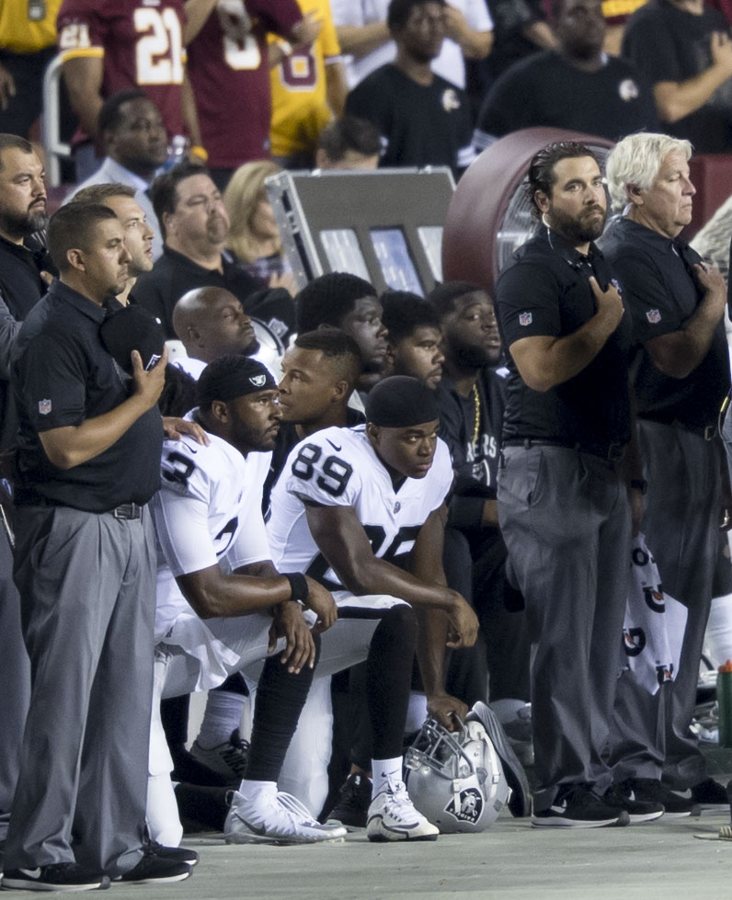
FIFA President Gianni Infantino faces growing scrutiny over the perception of bias and integrity in football governance, with critics warning that a loss of faith in the sport's fairness could undermine the World Cup.
By George Kensington · 6 min read
FIFA President Gianni Infantino has been warned that the integrity of football is at risk if the sport continues to be perceived as biased toward big teams and big names, with the upcoming World Cup serving as a critical test of trust. The warning comes amid swirling doubts about FIFA's decision-making processes and the influence of commercial interests, which some observers argue are eroding the faith that fans and players place in the game.
The issue of integrity in football is not new, but it has gained renewed urgency as the 2026 World Cup approaches. Infantino, who has overseen a period of significant expansion and commercial growth for FIFA, faces accusations that the organisation's governance lacks transparency and that its decisions often favour powerful clubs and nations. Critics point to the awarding of major tournaments to controversial hosts and the handling of disciplinary matters as evidence of a system that prioritises profit over fairness.
The perception of bias is particularly dangerous because it undermines the fundamental belief that football is a meritocracy, where the best team wins on the pitch. When fans begin to doubt the fairness of the game, the sport loses its emotional and cultural power. This is not merely a theoretical concern; history shows that in environments where match-fixing and corruption are believed to be widespread, cynicism replaces passion, and the sport's appeal diminishes.
A recent commentary by journalist Jonathan Wilson highlighted the corrosive effect of such perceptions, recalling an incident from 25 years ago in Bucharest. While following Premier League matches with local journalists, Wilson witnessed a dramatic late comeback by Chelsea. What he saw as thrilling drama, his Romanian colleagues interpreted as a fix, a reaction shaped by their experience of living in a society where corruption was endemic. The anecdote illustrates how context shapes belief: in a system perceived as rigged, even legitimate outcomes are viewed with suspicion.
FIFA has implemented measures to protect the integrity of the game, including an early warning system that monitors unusual betting patterns. These systems are sophisticated and have helped detect and prevent match-fixing in many cases. However, technology alone cannot address the deeper issue of trust. If fans believe that the governing body itself is compromised, no amount of monitoring will restore their faith.
The stakes are particularly high for the World Cup, which is football's most watched and most culturally significant event. A tournament perceived as unfair or biased would not only damage FIFA's reputation but also diminish the global appeal of the sport. Infantino has repeatedly emphasised his commitment to growing football and making it accessible to all, but critics argue that his leadership style and the organisation's opaque decision-making processes are at odds with these goals.
Infantino's tenure has been marked by both achievements and controversies. He has overseen the expansion of the World Cup to 48 teams, a move intended to increase participation from smaller nations. He has also championed initiatives to develop football in underrepresented regions. Yet, these efforts have been overshadowed by allegations of corruption and a lack of accountability within FIFA. The organisation has struggled to shake off the legacy of the scandals that plagued it under previous leadership, and Infantino has not always helped his cause with combative responses to criticism.
The perception of bias is not limited to governance issues. There are also concerns about the influence of wealthy clubs and leagues, which can distort competition and create an uneven playing field. The gap between the richest and poorest teams continues to widen, and this economic disparity is reflected in the outcomes of major tournaments. While this is not the same as match-fixing, it contributes to a sense that the sport is rigged in favour of those with money and power.
For the World Cup to retain its magic, fans must believe that every team has a fair chance. This requires not only robust anti-corruption measures but also a commitment to transparency and accountability at the highest levels of the sport. Infantino has the opportunity to address these concerns by implementing reforms that demonstrate FIFA's dedication to fairness. However, time is running short, and the window for action is narrowing.
The warning from critics is clear: football without faith is nothing. If the sport loses the trust of its fans, it loses its soul. Infantino must decide whether he will be the leader who restores that trust or the one who presides over its erosion. The World Cup will be the ultimate test of his legacy and of FIFA's commitment to the integrity of the game.