
Business 110
Dacia CEO Urges EU to Freeze Small Car Rules to Cut Prices
In this issue
Business 110
Dacia CEO Urges EU to Freeze Small Car Rules to Cut Prices
Culture 89
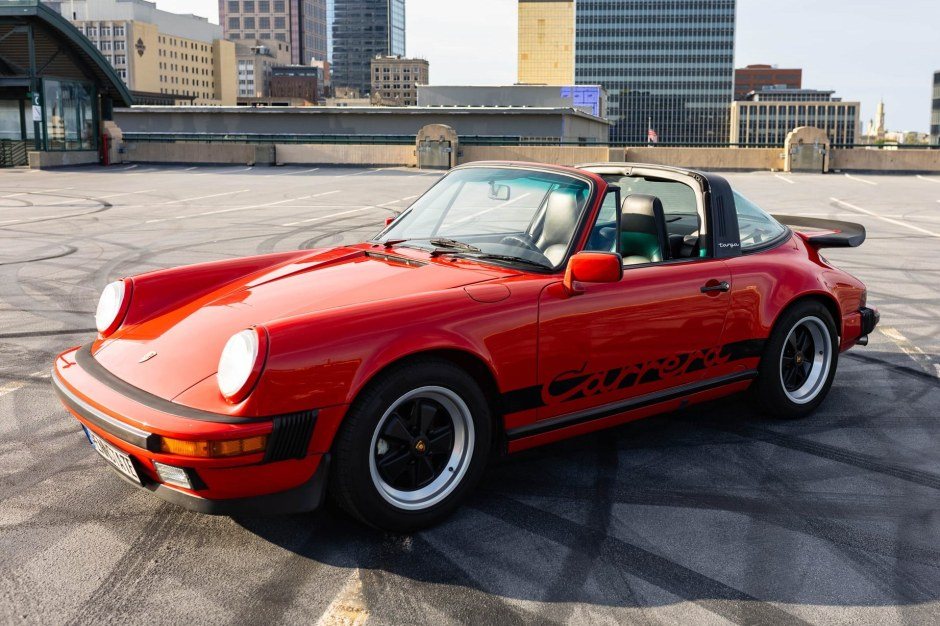
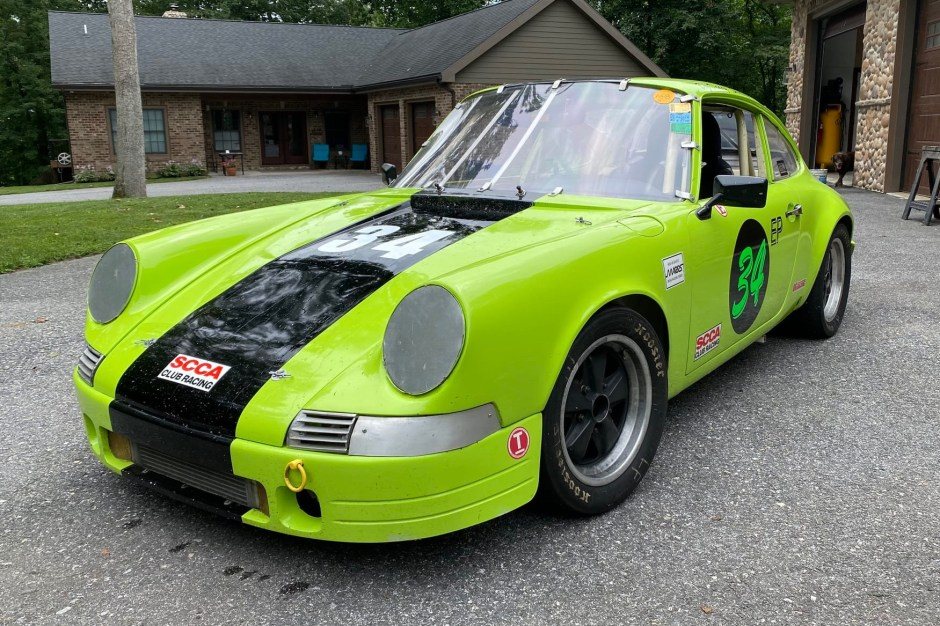
1988 Porsche 911 Carrera Targa G50 with Rebuilt Engine Heads to Auction
Economy 30
HMRC is writing to low earners about pension top-ups averaging about £70
News 124
Aftermarket Trackers Recover 99% of Stolen Cars as Factory Systems Fail
Politics 104
Met police open inquiry into alleged foreign donations to Reform UK
Sports 230
AMG GT Black Series Spied With Radical Aero Ahead of Nürburgring Record Attempt
Technology 116
Waymo Expands Driverless Ride-Hailing to Las Vegas
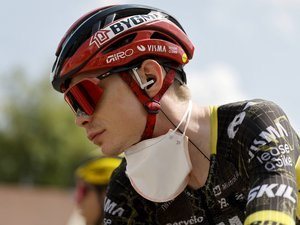
Jonas Vingegaard has been forced to withdraw from the Tour de France following a heavy crash on stage 15, just hours after recounting a disruptive overnight anti-doping control that left him exhausted.
By Charlotte Redford · 5 min read
Jonas Vingegaard, the two-time Tour de France champion, has abandoned the 2026 edition of the race after a violent crash on stage 15, an incident that came just hours after he described being woken at 2 a.m. for an unexpected doping test. The Danish rider, who had been a key contender in the general classification, was involved in a heavy fall approximately 20 kilometres from the finish line on the Plateau de Solaison, a climb in the French Alps.
The crash, which occurred during the descent of the Col de la Colombière, left Vingegaard visibly shaken and unable to continue. Medical staff attended to him at the roadside before he was taken to a local hospital for further examination. Team Visma-Lease a Bike later confirmed that the 29-year-old had sustained multiple abrasions and contusions but no fractures, though the decision to withdraw was taken as a precautionary measure given the severity of the impact.
Earlier in the day, Vingegaard had spoken to French media about an overnight anti-doping control that had disrupted his sleep. «Quelqu’un a frappé à ma porte à 2 h du matin», he told reporters, recounting how testers had arrived at his hotel room in the middle of the night to collect a blood and urine sample. The rider expressed frustration at the timing, noting that the interruption had left him feeling less than fully rested for what was already a demanding mountain stage.
The incident has reignited debate within the cycling world about the balance between rigorous anti-doping measures and the welfare of athletes. While professional cyclists accept that testing is a necessary part of the sport, the scheduling of such checks during major tours has long been a point of contention. Riders often face early morning alarms or late-night visits that can disrupt their recovery and preparation for the following day's racing.
Stage 15, which ran from Champagnole to the Plateau de Solaison, was widely regarded as one of the most challenging of this year's Tour. The route featured several categorised climbs, including the Col de la Colombière and the Col de Joux Plane, before the final ascent to the summit finish. The stage was won by Tadej Pogačar, who extended his lead in the overall standings following Vingegaard's departure.
Vingegaard's abandonment marks a dramatic turn in a race that had seen him and Pogačar locked in a tense battle for the yellow jersey. The Danish rider had entered the Tour as one of the favourites, having won the event in 2022 and 2023, and had shown strong form in the early mountain stages. His exit now leaves Pogačar as the clear leader, with the UAE Team Emirates rider holding a comfortable advantage heading into the final week.
The crash also raises questions about safety on descents, a topic that has gained increasing attention in professional cycling. Several high-profile incidents in recent years have led to calls for better road furniture protection and more cautious race routing. Vingegaard's fall was not the only one on stage 15; several other riders also came down on the wet and technical descent of the Colombière, though none were seriously injured.
Reaction from the cycling community has been swift. Fellow riders, team managers, and fans have expressed sympathy for Vingegaard, with many highlighting the physical and mental toll that such incidents take on competitors. The International Cycling Union (UCI) has not yet commented on the overnight testing controversy, but the matter is expected to be discussed in the coming days as the sport continues to grapple with the challenge of maintaining clean competition without compromising athlete wellbeing.
For now, the Tour de France continues without one of its most prominent figures. Vingegaard's team has stated that he will take time to recover before deciding on his next racing programme, with the Vuelta a España later this season a possible target. His absence from the remainder of the Tour is a significant blow to the race's narrative, but it also opens the door for other contenders to stake their claim on the podium.