
Business 110
Dacia CEO Urges EU to Freeze Small Car Rules to Cut Prices
In this issue
Business 110
Dacia CEO Urges EU to Freeze Small Car Rules to Cut Prices
Culture 89
1988 Porsche 911 Carrera Targa G50 with Rebuilt Engine Heads to Auction
Economy 30
HMRC is writing to low earners about pension top-ups averaging about £70
News 124
Aftermarket Trackers Recover 99% of Stolen Cars as Factory Systems Fail
Politics 104
Met police open inquiry into alleged foreign donations to Reform UK
Sports 230
AMG GT Black Series Spied With Radical Aero Ahead of Nürburgring Record Attempt
Technology 117
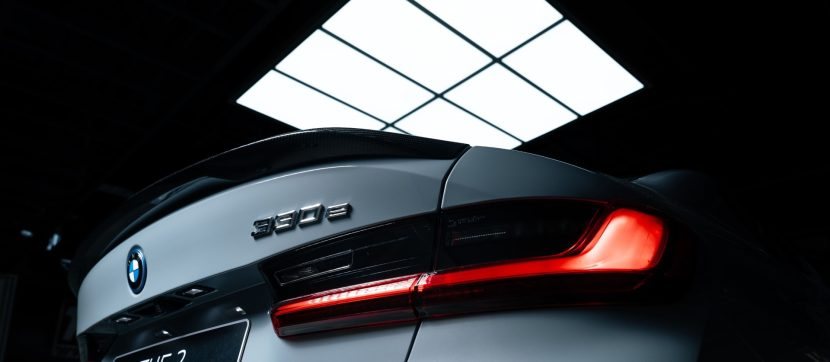
BMW Confirms Next 3 Series Will Retain Plug-In Hybrid Power
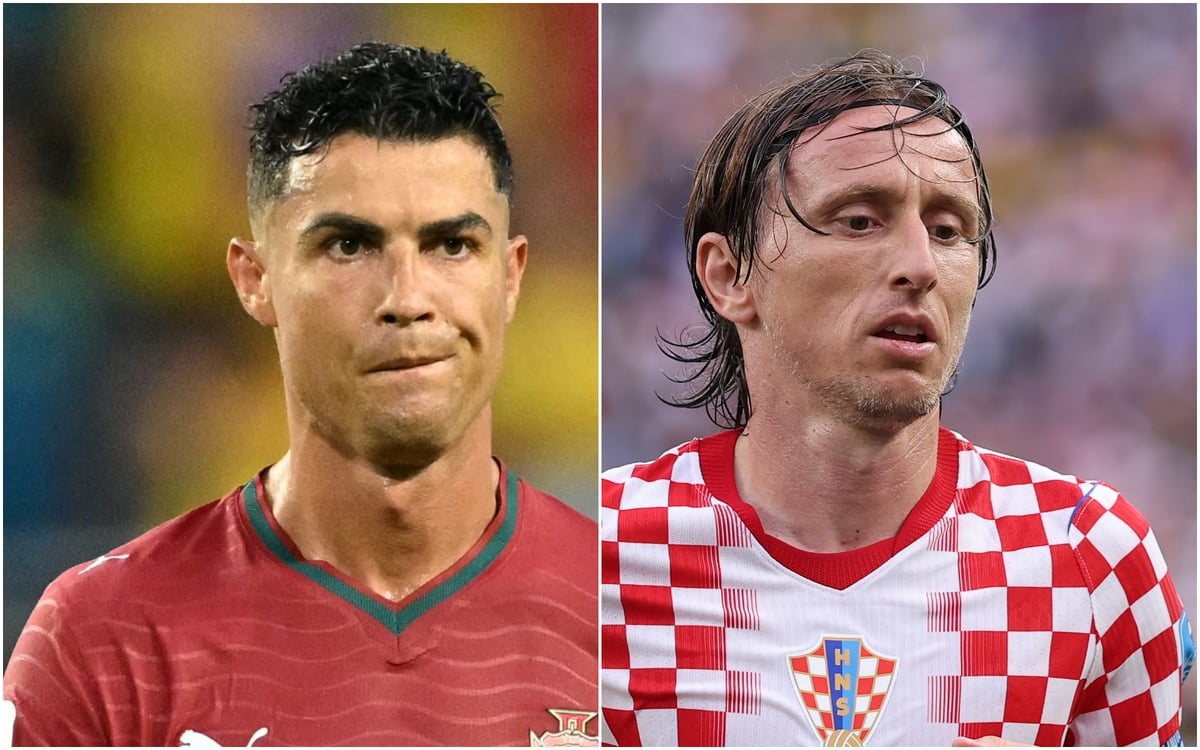
Portugal came from behind to beat Croatia 2-1 in a dramatic World Cup encounter, securing a last-16 meeting with Spain. Cristiano Ronaldo scored and was later substituted in a match featuring four disallowed goals and late VAR controversy.
By George Kensington · 4 min read
Cristiano Ronaldo kept his World Cup dreams alive as Portugal fought back from a goal down to defeat Croatia 2-1 in a chaotic and controversial encounter, setting up a mouth-watering last-16 tie with Spain. The match, billed as a potential farewell for two footballing icons, saw Luka Modrić exit what is likely his final World Cup at the age of 40, while Ronaldo, now 41, played on after scoring and being substituted in a game of relentless incident.
The contest was defined by its extraordinary finish, which included a total of four disallowed goals — a first in World Cup history. One of those disallowed efforts denied Croatia a dramatic equaliser in the very last second of the match, sparking intense debate over the use of VAR. Portugal had taken the lead through Gonçalo Ramos, who flicked in a cross from Rafael Leão to send the Portuguese bench into raptures. Leão, who dropped to his knees in relief rather than delight, admitted after the match that the team had endured a nerve-shredding finale.
Croatia had taken the lead in the first half, putting Portugal under immediate pressure. But Ronaldo, as he has done so often on the biggest stage, dragged his side back into the contest with a typically clinical finish. The veteran forward was later substituted by Portugal boss Roberto Martinez, a decision that raised eyebrows but ultimately proved correct as the team held on for victory. Martinez was praised for his bold tactical calls, including the introduction of Ramos, who proved decisive.
The match was not just about the two ageing superstars, however. Both Ronaldo and Modrić were far from the most influential players on the pitch, despite Ronaldo being named player of the match — a decision that bewildered many observers. Instead, the game was an old-fashioned World Cup battle between two hardened teams, with momentum swinging repeatedly. Croatia, led by the indefatigable Modrić, pushed hard for an equaliser and thought they had found one in stoppage time, only for VAR to rule it out for a marginal offside.
After the final whistle, Ronaldo paid a classy tribute to the late Diogo Jota, marking the anniversary of the former Portugal international's death. The gesture underscored the emotional weight of the occasion for a squad that has carried Jota's memory throughout the tournament. Portugal now face Spain in the last 16, a fixture that promises to be one of the most anticipated of the knockout stages.
For Croatia, the defeat marks the end of a remarkable era. Modrić, who has been the heartbeat of the national team for over a decade, leaves the World Cup stage for the final time. His performance, though not enough to secure victory, was a testament to his enduring quality. The Croatian team, which reached the final in 2018 and the semi-finals in 2022, will now begin a rebuilding process without their talismanic captain.
Portugal, meanwhile, will take confidence from their resilience. Having fallen behind early, they showed character to fight back and then withstand a late Croatian onslaught. The win sets up a tantalising clash with Spain, a team they know well from their Iberian rivalry. With Ronaldo still leading the line and a squad rich in talent, Portugal will believe they can go deep into the tournament. But they will need to be more consistent if they are to overcome a Spanish side that has looked formidable in the group stage.
The match also highlighted the growing influence of VAR in World Cup football. The four disallowed goals — three for offside and one for a foul in the build-up — will be debated for years. Critics argue that the technology disrupts the flow of the game, while supporters point to its role in ensuring fairness. Either way, the drama in this match ensured that the debate will continue.