
Business 110
Dacia CEO Urges EU to Freeze Small Car Rules to Cut Prices
In this issue
Business 110
Dacia CEO Urges EU to Freeze Small Car Rules to Cut Prices
Culture 89
1988 Porsche 911 Carrera Targa G50 with Rebuilt Engine Heads to Auction
Economy 30
HMRC is writing to low earners about pension top-ups averaging about £70
News 124
Aftermarket Trackers Recover 99% of Stolen Cars as Factory Systems Fail
Politics 104
Met police open inquiry into alleged foreign donations to Reform UK
Sports 230
AMG GT Black Series Spied With Radical Aero Ahead of Nürburgring Record Attempt
Technology 117
BMW Confirms Next 3 Series Will Retain Plug-In Hybrid Power
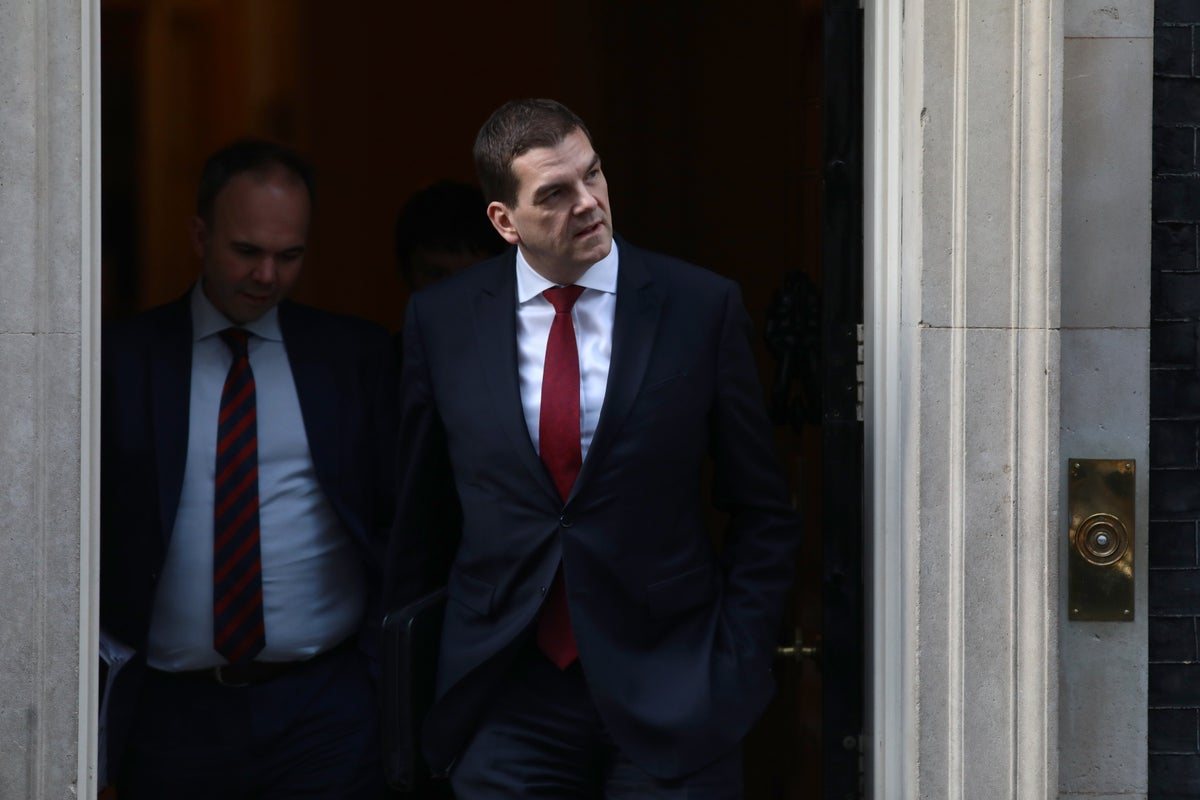
Sir Olly Robbins, the former top civil servant at the Foreign Office, has launched a legal challenge against his dismissal by Prime Minister Sir Keir Starmer following the Peter Mandelson US ambassador vetting scandal.
By George Kensington · 5 min read
Sir Olly Robbins, the former permanent under-secretary at the Foreign, Commonwealth and Development Office, has initiated legal proceedings against his dismissal by Prime Minister Sir Keir Starmer. The move comes after it emerged that Peter Mandelson, the former Labour cabinet minister, did not pass crucial security checks required for his appointment as British ambassador to the United States. The FDA union, which represents senior civil servants, confirmed that Sir Olly has submitted a formal legal challenge over the circumstances of his removal from office.
The scandal centres on the vetting process for Mandelson, who was nominated by Starmer for the high-profile diplomatic post in Washington. According to reports, Mandelson failed to obtain the necessary security clearance, a development that prompted Starmer to remove Sir Olly from his role as the head of the Foreign Office civil service. The prime minister has faced criticism over the handling of the appointment, with opposition figures questioning whether proper procedures were followed.
The FDA union has publicly backed Sir Olly's legal action, arguing that his sacking was unjustified. In a statement, the union said that Starmer should «admit that sacking Olly was a mistake». The union added that Sir Olly had served with distinction and that his dismissal raised serious questions about the government's commitment to impartiality and due process in the civil service. The legal challenge is expected to test the boundaries of ministerial authority over senior appointments.
Sir Olly, who was knighted for his service, had a long and distinguished career in the civil service, including a key role in the Brexit negotiations under former prime ministers Theresa May and Boris Johnson. He was appointed as the permanent under-secretary at the Foreign Office in 2020, overseeing the department's operations during a period of significant change following the UK's departure from the European Union. His dismissal in the wake of the Mandelson affair has been seen by some as a politically motivated decision.
The Mandelson appointment had already generated controversy before the vetting issue came to light. Mandelson, a veteran Labour figure and former European commissioner, was seen as a divisive choice for the Washington post, with critics pointing to his past business dealings and his role in the New Labour era. The failure of the security checks added further embarrassment for the government, which had publicly backed the nomination.
Legal experts have noted that Sir Olly's challenge could have broader implications for the relationship between ministers and senior civil servants. The case raises questions about the extent to which prime ministers can hold top officials accountable for decisions made by others in the chain of command. The FDA union has argued that Sir Olly was made a scapegoat for a failure that lay elsewhere in the system.
Downing Street has defended the decision to dismiss Sir Olly, stating that the prime minister has the right to appoint and remove senior civil servants as he sees fit. However, the government has not provided a detailed public explanation of the specific reasons for the sacking. The lack of transparency has fuelled speculation that the dismissal was linked to the Mandelson affair, rather than any broader performance issues.
The legal proceedings are at an early stage, and it remains unclear whether the case will proceed to a full tribunal hearing. Sir Olly is understood to be seeking either reinstatement or compensation for what he claims was an unfair dismissal. The outcome of the challenge could set a precedent for how future disputes between ministers and top civil servants are resolved.
The case has also reignited debate about the politicisation of the civil service, with some commentators arguing that the Mandelson affair demonstrates a growing tendency for ministers to interfere in appointments that should be based on merit and security considerations. Others have defended Starmer's right to make changes at the top of the Foreign Office, arguing that the prime minister must have confidence in his senior team.
As the legal challenge unfolds, attention will focus on the evidence presented by both sides. The FDA union has indicated that it will press for full disclosure of the reasons behind Sir Olly's dismissal, arguing that the public interest demands transparency. The government, for its part, is likely to argue that personnel decisions are a matter of ministerial discretion and should not be subject to judicial review.