
Business 110
Dacia CEO Urges EU to Freeze Small Car Rules to Cut Prices
In this issue
Business 110
Dacia CEO Urges EU to Freeze Small Car Rules to Cut Prices
Culture 89
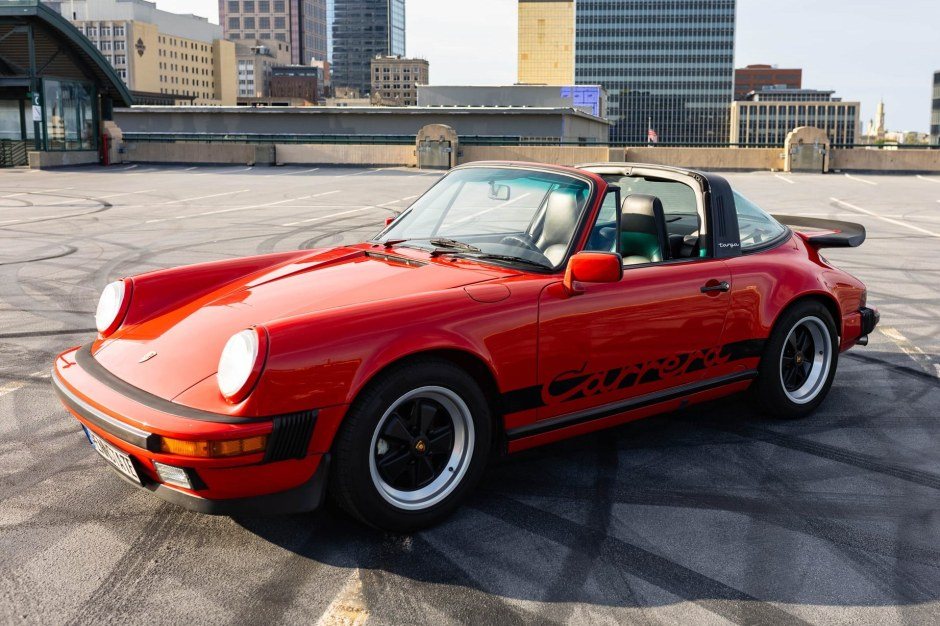
1988 Porsche 911 Carrera Targa G50 with Rebuilt Engine Heads to Auction
Economy 30
HMRC is writing to low earners about pension top-ups averaging about £70
News 124
Aftermarket Trackers Recover 99% of Stolen Cars as Factory Systems Fail
Politics 104
Met police open inquiry into alleged foreign donations to Reform UK
Sports 230
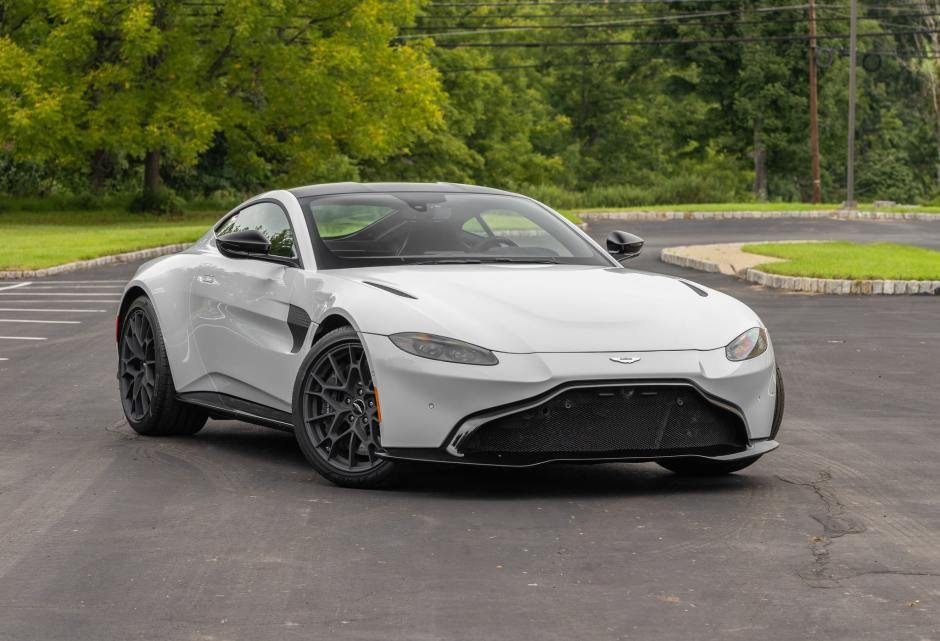
AMG GT Black Series Spied With Radical Aero Ahead of Nürburgring Record Attempt
Technology 117
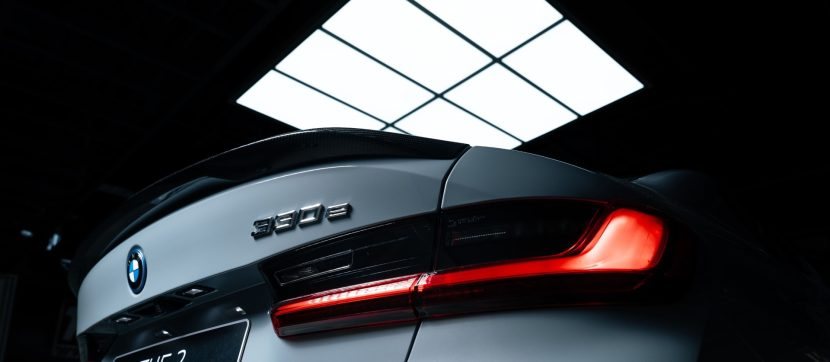
BMW Confirms Next 3 Series Will Retain Plug-In Hybrid Power
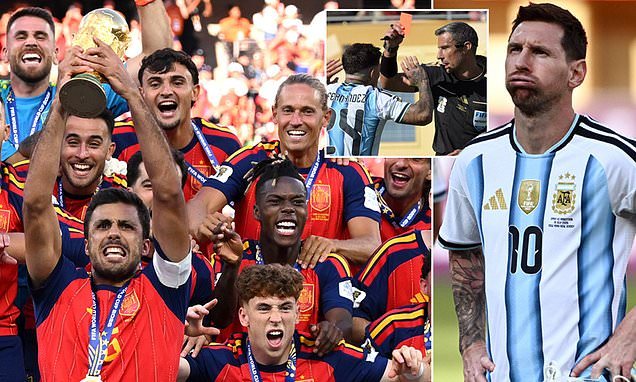
Spain won their second World Cup title with a 1-0 victory over defending champions Argentina in the 2026 final, as Ferran Torres scored in the 106th minute to break Argentine hearts and spark celebrations across Europe.
By George Kensington · 5 min read
Spain have been crowned world champions for the second time in their history after a dramatic 1-0 victory over Argentina in the 2026 World Cup final, with Ferran Torres scoring a stunning extra-time winner to break the deadlock in a match that will be remembered for its intensity and resilience.
The final, played at a packed stadium in the United States, pitted the European champions against the reigning world champions from South America in what was billed as the biggest game in football. Spain, under manager Luis de la Fuente, entered the match as slight underdogs against Lionel Messi's Argentina, who had dominated the tournament and were seeking to defend the title they won in Qatar in 2022.
From the opening whistle, Spain imposed their trademark possession-based style, controlling the tempo and creating a series of chances. The Spanish attack, led by a fluid front line, repeatedly tested Argentina's goalkeeper Emiliano Martínez, who produced a string of outstanding saves to keep his side level. As Sid Lowe noted, Spain were calm but relentless, coming again and again despite being halted by Martínez's heroics.
Argentina, for their part, relied on counter-attacks and the brilliance of Messi, who was playing in what many assumed would be his final World Cup appearance. The Argentine defence, marshalled by a disciplined back line, held firm under sustained pressure, and the match remained goalless through 90 minutes, forcing extra time.
The decisive moment arrived in the 106th minute. A swift Spanish move carved open the Argentine defence, and Ferran Torres, who had been a constant threat throughout the night, unleashed a powerful, smashed finish that flew past Martínez and into the net. The goal sparked wild celebrations among Spanish players and fans, while Argentina's players slumped to the turf in despair.
Spain held on for the remaining 14 minutes plus stoppage time, defending resolutely to secure a 1-0 victory and their second World Cup title, following their triumph in 2010. The win marked a remarkable achievement for de la Fuente's side, who had entered the tournament with relatively low expectations but grew in confidence with each passing round.
For Argentina, the defeat was a bitter pill to swallow. The defending champions had been widely tipped to retain the trophy, and the loss ended Messi's hopes of adding a second World Cup winners' medal to his illustrious career. The Argentine captain, visibly emotional after the final whistle, was consoled by Spanish players and coaching staff in a display of sportsmanship.
Off the pitch, the aftermath of the match was marred by unrest in Buenos Aires. Thousands of Argentine fans had gathered in the capital to watch the final on big screens, and what had begun as a largely peaceful gathering descended into chaos shortly before midnight local time. Reports from the scene described violent clashes between fans and police, with officers deploying riot control measures to disperse crowds. The disturbances, which left several people injured and a number of arrests made, underscored the intense emotions that the World Cup final had stirred in Argentina.
The victory cements Spain's status as a dominant force in international football, adding the World Cup to their European Championship title. For de la Fuente, the triumph validates his tactical approach and his ability to blend experienced players with emerging talent. The Spanish squad, which featured a mix of veterans and young stars, will now be celebrated as national heroes.
As the confetti settled and the trophy was lifted, the 2026 World Cup came to a close with Spain on top of the football world. The tournament, co-hosted by the United States, Canada, and Mexico, was widely praised for its organisation and atmosphere, but it will be remembered most for Spain's relentless pursuit of glory and the heartbreak of Argentina's fallen champions.