Business 110
Dacia CEO Urges EU to Freeze Small Car Rules to Cut Prices
In this issue
Business 110
Dacia CEO Urges EU to Freeze Small Car Rules to Cut Prices
Culture 89
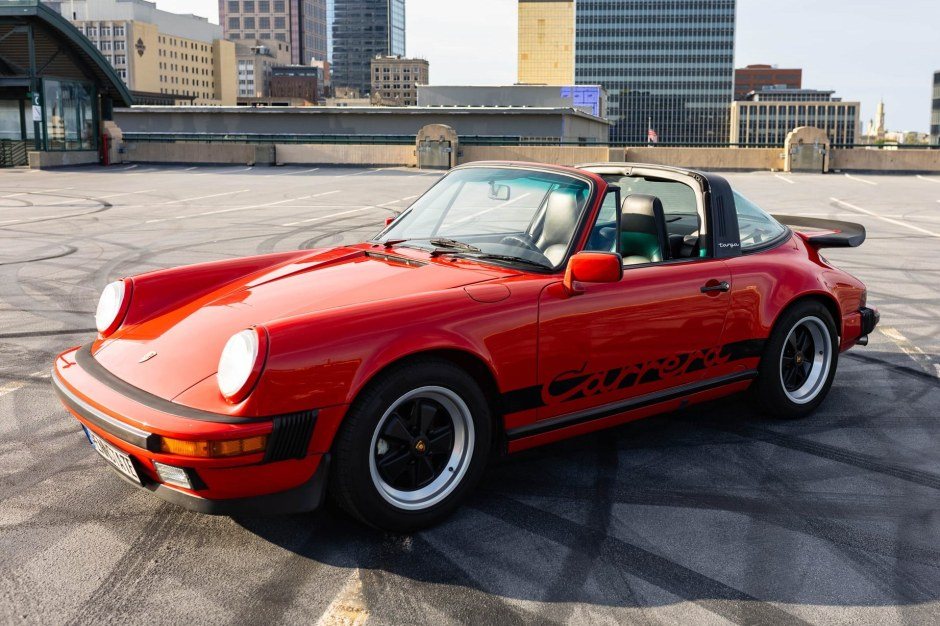
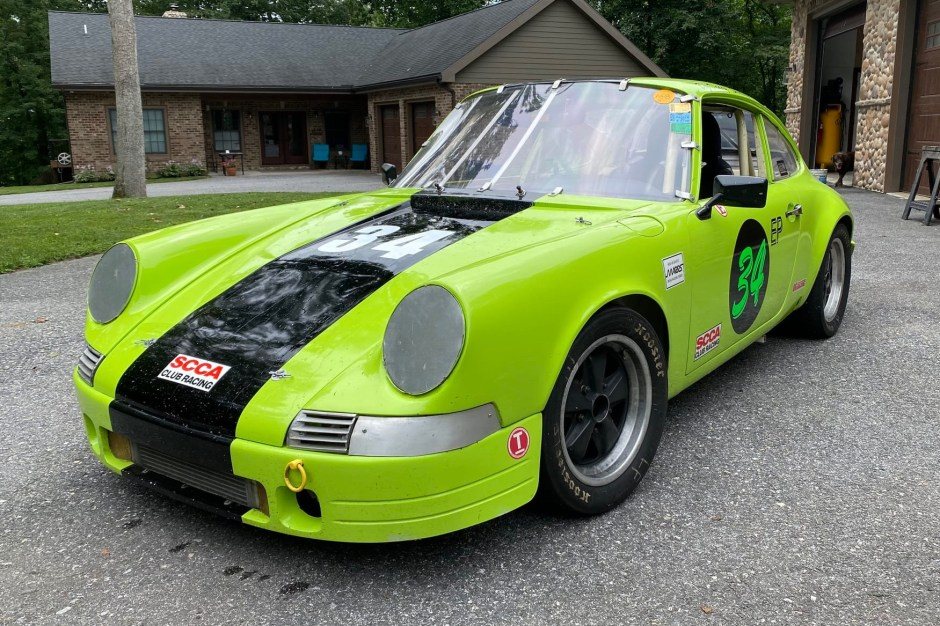
1988 Porsche 911 Carrera Targa G50 with Rebuilt Engine Heads to Auction
Economy 30
HMRC is writing to low earners about pension top-ups averaging about £70
News 124
Aftermarket Trackers Recover 99% of Stolen Cars as Factory Systems Fail
Politics 104
Met police open inquiry into alleged foreign donations to Reform UK
Sports 230
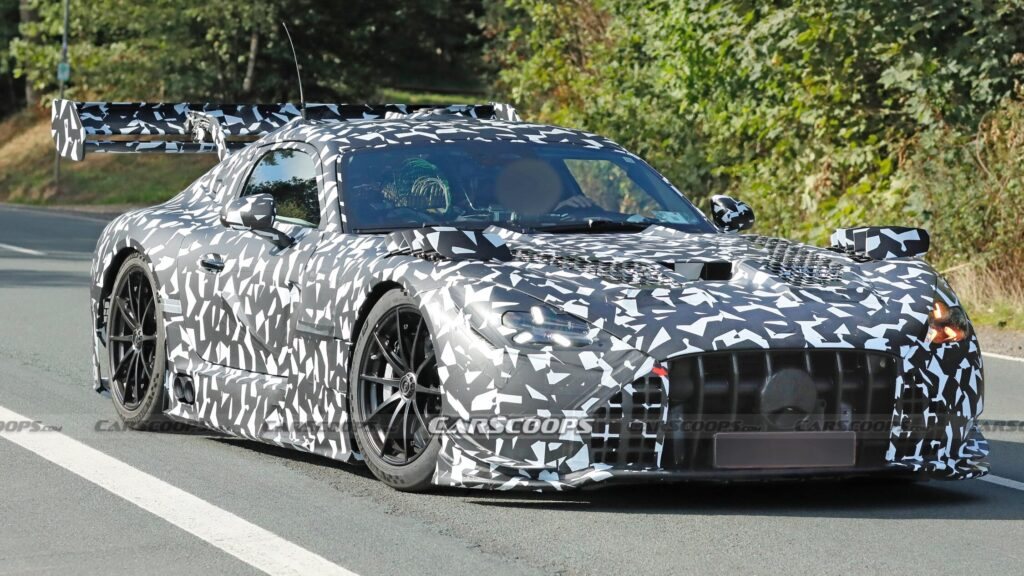
AMG GT Black Series Spied With Radical Aero Ahead of Nürburgring Record Attempt
Technology 116
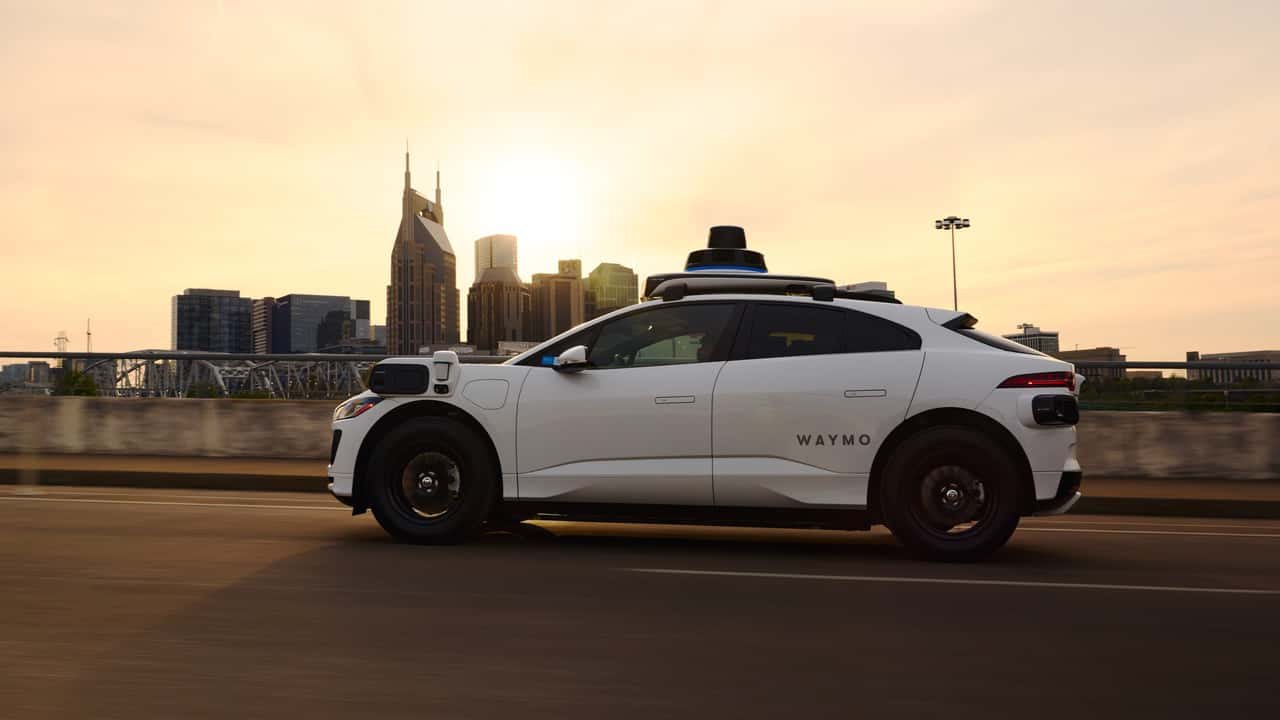
Waymo Expands Driverless Ride-Hailing to Las Vegas
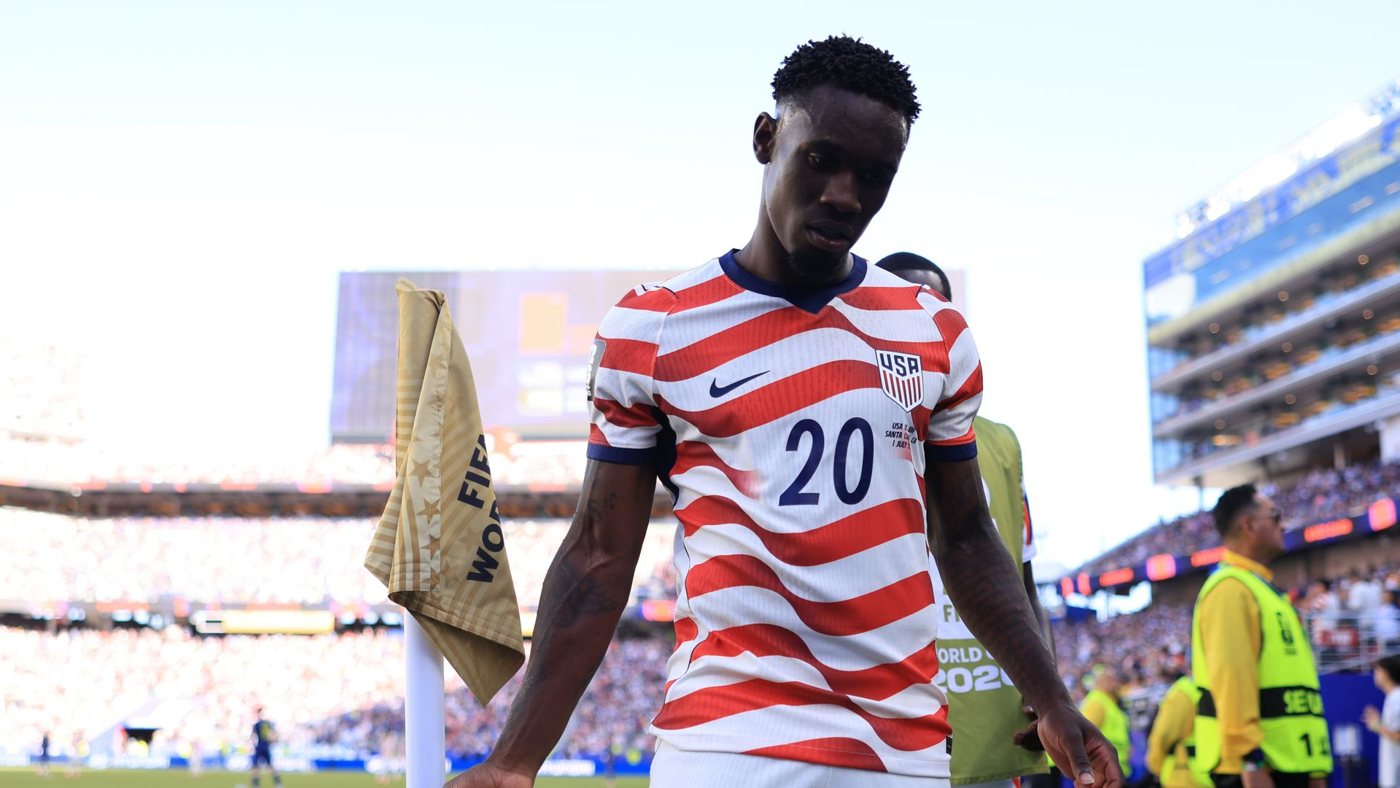
Donald Trump asked FIFA to review Folarin Balogun’s red card, leading to a suspension of the ban and allowing the US striker to play against Belgium, sparking accusations of rule-bending and calls for FIFA president Gianni Infantino’s resignation.
By Charlotte Redford · 7 min read
The United States faces Belgium in the World Cup last-16 on Monday, but the match has been overshadowed by a political intervention that critics say has undermined the integrity of the tournament. President Donald Trump personally asked FIFA president Gianni Infantino to review the red card given to US striker Folarin Balogun during a group-stage match against Bosnia and Herzegovina. The request, made by telephone, led FIFA to suspend Balogun’s suspension, allowing him to play in the crucial knockout fixture.
The controversy erupted after Balogun was sent off in the 68th minute of the US’s final group game. Under standard FIFA disciplinary procedures, a straight red card carries an automatic one-match ban, which would have ruled the striker out of the Belgium tie. However, Trump’s direct appeal to Infantino prompted an extraordinary review, and the ban was temporarily lifted pending further investigation. The decision has drawn sharp criticism from football officials, fans, and commentators, who argue that it sets a dangerous precedent.
Robert Reich, a former US labor secretary and Guardian columnist, wrote that Trump’s intervention had «ruined the game». Reich noted that the president’s actions contradicted the basic principle of teaching children to follow rules. «We try to teach our children to follow the rules,» Reich wrote. «Now an American president has chosen the opposite tack.» His commentary reflects a broader sentiment among football purists who see the incident as a blatant example of political interference in sport.
FIFA’s decision to suspend the ban has been met with anger from European football authorities. UEFA, the governing body for European football, issued a statement condemning the move, saying it «undermines the credibility of the competition and the principle of fair play». The Football Association (FA) in England is reportedly considering launching its own appeal to overturn a red card given to England defender Jarell Quansah, citing the Balogun case as a precedent. Former England striker Ian Wright has publicly urged Prime Minister Keir Starmer to intervene on behalf of the English team, though Downing Street has not commented.
Infantino, who has led FIFA since 2016, broke his silence on the matter in a brief statement. He defended the review as a routine procedural step, insisting that «all decisions are taken in accordance with FIFA’s regulations». However, his explanation has done little to quell the uproar. Critics point out that no similar review was conducted for other players who received red cards earlier in the tournament, raising questions about selective application of the rules.
The controversy has also sparked calls for Infantino’s resignation. Ray Harada, a 67-year-old lifelong England fan, told the Mirror: «If Infantino had any sense of shame, he would resign. If FIFA’s own rules can be bent after one phone call from Donald Trump, then what is the point of having rules at all?» The sentiment has been echoed by fans and pundits across social media, with many accusing FIFA of bowing to political pressure from the world’s most powerful nation.
Belgium’s national team has also reacted strongly. Belgian players and officials have vowed to «take action» over the decision, though specific details have not been disclosed. The Belgian Football Union is reportedly considering filing a formal protest with FIFA’s disciplinary committee, arguing that the suspension of Balogun’s ban gives the US an unfair advantage. Belgium, a traditional football powerhouse, is seen as a strong contender to win the tournament, and the controversy has added an extra layer of tension to an already high-stakes match.
The incident has reignited debates about the relationship between politics and sport. Trump, who has frequently used sports events as a platform for political messaging, has not shied away from leveraging his influence. In a statement, he said he simply asked Infantino to «review» the red card, framing the intervention as a matter of fairness. But for many observers, the episode represents a troubling erosion of sporting autonomy. The World Cup, often hailed as a unifying global event, now finds itself at the centre of a political storm that threatens to overshadow the football itself.
As the US and Belgium prepare to face off in Seattle, the focus will inevitably shift to Balogun’s performance. The striker, who has been a key figure for the US team, will be under intense scrutiny. Whether he can deliver on the pitch amid the controversy remains to be seen. But regardless of the outcome, the damage to FIFA’s reputation may be lasting. The organisation, already struggling with corruption scandals and governance issues, now faces accusations of double standards and political favouritism.
The broader implications for the sport are significant. If FIFA’s disciplinary processes can be influenced by a single phone call from a head of state, the principle of equal treatment under the rules is effectively nullified. Smaller nations, which lack the political clout of the United States, may find themselves at a disadvantage in future tournaments. The Balogun case could set a precedent that undermines the very foundation of fair competition in international football.
For now, the football world watches and waits. The match between the US and Belgium will go ahead as scheduled, but the controversy surrounding it is unlikely to fade quickly. Calls for transparency and accountability from FIFA are growing louder, and Infantino’s position may come under renewed pressure. Whether the organisation can restore trust in its disciplinary system remains an open question.