Business 110
Dacia CEO Urges EU to Freeze Small Car Rules to Cut Prices
In this issue
Business 110
Dacia CEO Urges EU to Freeze Small Car Rules to Cut Prices
Culture 89
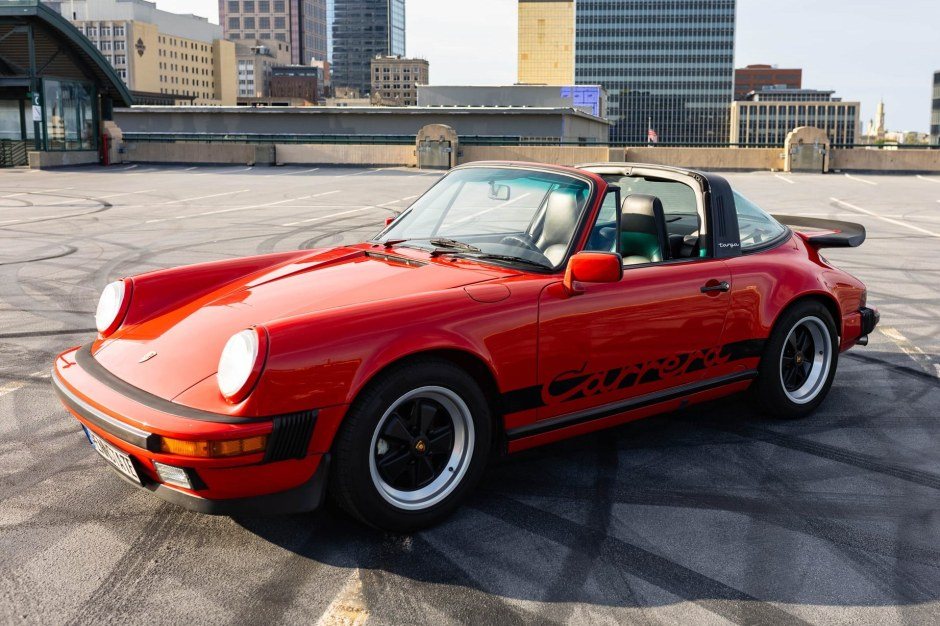
1988 Porsche 911 Carrera Targa G50 with Rebuilt Engine Heads to Auction
Economy 30
HMRC is writing to low earners about pension top-ups averaging about £70
News 124
Aftermarket Trackers Recover 99% of Stolen Cars as Factory Systems Fail
Politics 104
Met police open inquiry into alleged foreign donations to Reform UK
Sports 230
AMG GT Black Series Spied With Radical Aero Ahead of Nürburgring Record Attempt
Technology 117
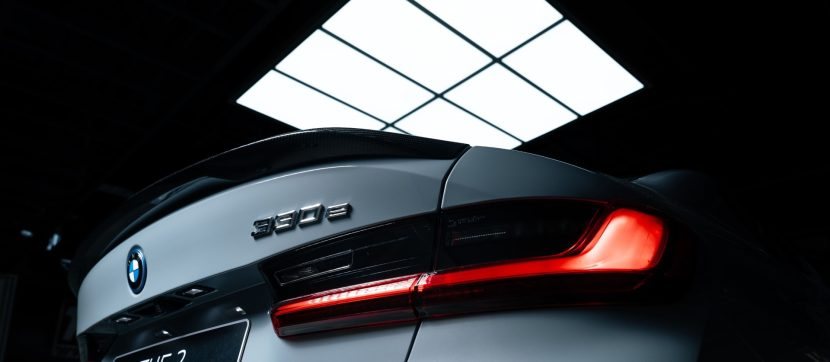
BMW Confirms Next 3 Series Will Retain Plug-In Hybrid Power
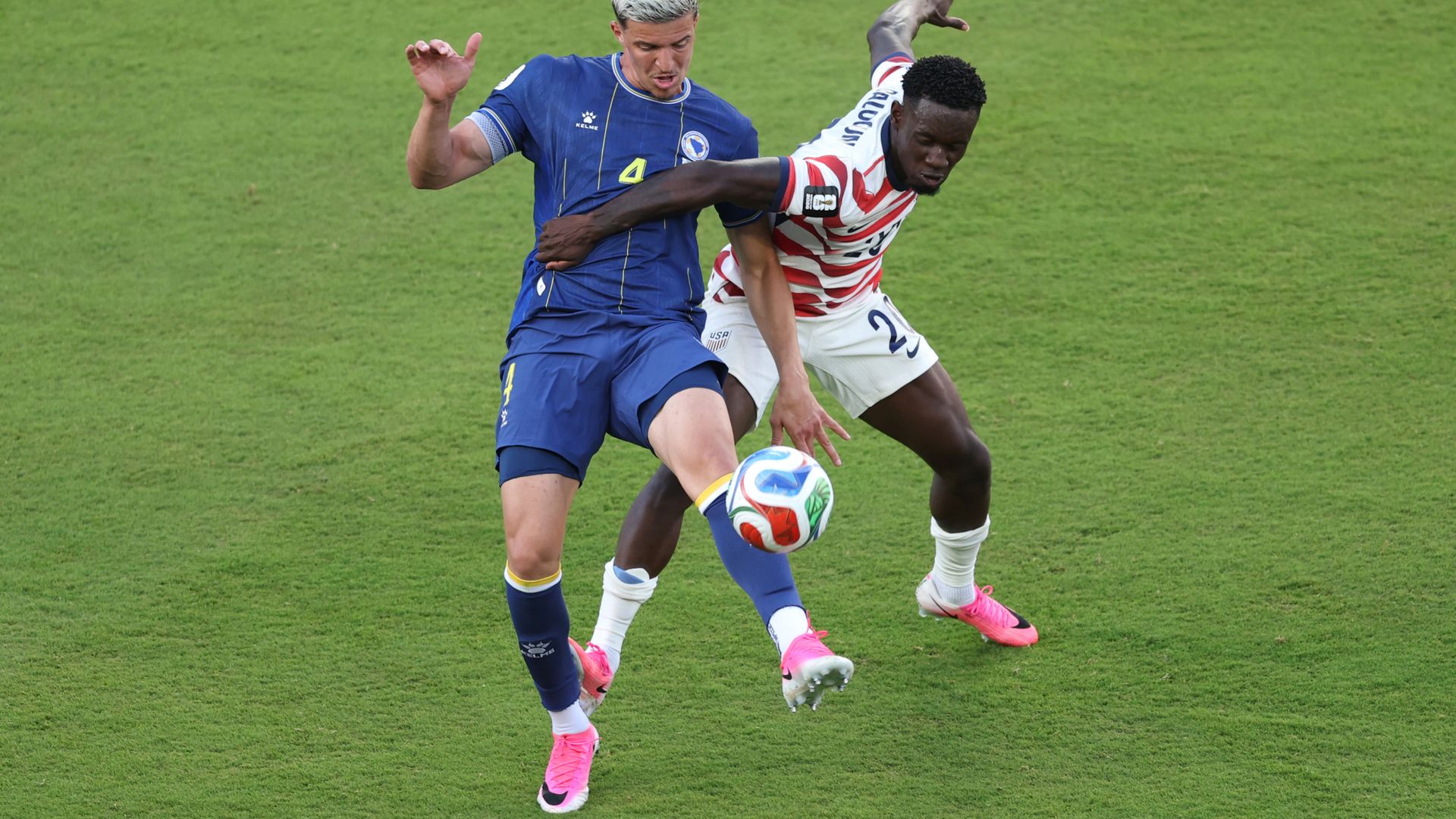
The White House intervened with Fifa to overturn a one-game ban for US striker Folarin Balogun, allowing him to play in the World Cup last-16 match against Belgium, a decision that has drawn praise from President Donald Trump and criticism from pundits.
By Edward Beaumont · 5 min read
The White House directly lobbied Fifa to lift a one-match suspension for United States striker Folarin Balogun, paving the way for his dramatic reinstatement ahead of Monday night's World Cup last-16 clash against Belgium in Seattle, the Guardian has learned. The intervention, confirmed by sources familiar with the discussions, resulted in Fifa's stunning announcement on Sunday that Balogun would be available for the co-hosts after he was sent off in the previous round against Bosnia and Herzegovina.
Balogun, who has scored three goals in three starts during the tournament, was shown a red card in the dying moments of the United States' victory over Bosnia and Herzegovina in the round of 32. Under standard disciplinary procedures, the sending-off would have triggered an automatic one-game ban, sidelining him for the crucial knockout fixture against Belgium. However, Fifa's decision to suspend the ban has handed the United States a significant boost as they seek to reach the World Cup quarter-finals for the first time since 2002.
President Donald Trump publicly praised the decision, calling it a victory for fairness and common sense. In a post on social media, Trump wrote: «Great news for the USA! Folarin Balogun will play. Fifa made the right call.» The president's endorsement came after the White House had engaged in behind-the-scenes efforts to secure the striker's availability, according to multiple reports.
The move has not been without controversy. Former Manchester United and England defender Gary Neville, now a prominent football pundit, described the decision as «a farce» and «an absolute disgrace.» Speaking on Sky Sports, Neville said: «It stinks! This is not how football should be run. A red card is a red card. The rules are the rules. To have them overturned because of political pressure sets a dangerous precedent.»
The Belgian Football Association expressed astonishment at the ruling, with a spokesperson telling reporters: «We are astonished by this decision. We believed the disciplinary process was clear and final. We are seeking clarification from Fifa on the grounds for this extraordinary intervention.» Belgium, a traditional powerhouse in international football, had prepared for the match expecting to face a United States side without their most prolific forward.
Fifa has not publicly detailed the specific rule or procedure used to overturn the suspension, but reports indicate that a rarely-used provision allowing for exceptional circumstances was invoked. The governing body's disciplinary code permits the suspension of a ban in cases where «clear and compelling evidence» of a wrongful dismissal or «extraordinary circumstances» exists. The Guardian understands that the White House argued that Balogun's red card was harsh and that the stakes of a home World Cup knockout match warranted reconsideration.
Balogun, 24, has been a standout performer for the United States throughout the tournament, leading the line with pace and clinical finishing. His three goals have been instrumental in the team's progression, and his presence on the pitch against Belgium is expected to galvanise both the squad and the home crowd at Seattle's Lumen Field. The match, scheduled for Monday evening local time, is the first World Cup knockout game hosted by the United States since 1994.
The controversy has reignited debate about the influence of political power on international football governance. Critics argue that the White House's intervention undermines the integrity of the sport's disciplinary system, while supporters contend that the decision corrects an overly harsh punishment that could have derailed a host nation's campaign. The United States Soccer Federation has declined to comment on the specifics of the lobbying effort, stating only that it «appreciates Fifa's careful review of the matter.»
As the teams prepare for kick-off, the focus will now shift to the pitch, where Balogun is expected to start. The United States will be aiming to advance to the quarter-finals for the first time in 24 years, while Belgium will seek to prove that their preparation has not been disrupted by the off-field drama. The match is set to be one of the most anticipated of the round, with political and sporting narratives colliding in a high-stakes encounter.