
Business 110
Dacia CEO Urges EU to Freeze Small Car Rules to Cut Prices
In this issue
Business 110
Dacia CEO Urges EU to Freeze Small Car Rules to Cut Prices
Culture 89
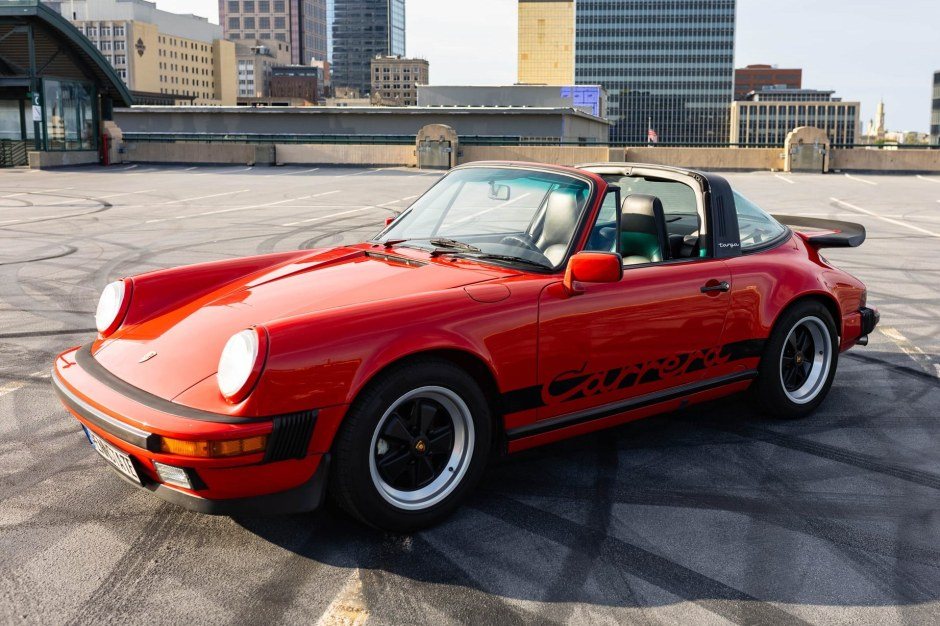
1988 Porsche 911 Carrera Targa G50 with Rebuilt Engine Heads to Auction
Economy 30
HMRC is writing to low earners about pension top-ups averaging about £70
News 124
Aftermarket Trackers Recover 99% of Stolen Cars as Factory Systems Fail
Politics 104
Met police open inquiry into alleged foreign donations to Reform UK
Sports 230
AMG GT Black Series Spied With Radical Aero Ahead of Nürburgring Record Attempt
Technology 117
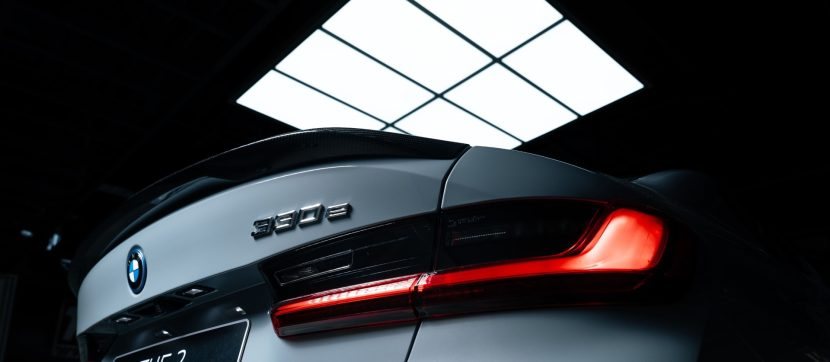
BMW Confirms Next 3 Series Will Retain Plug-In Hybrid Power
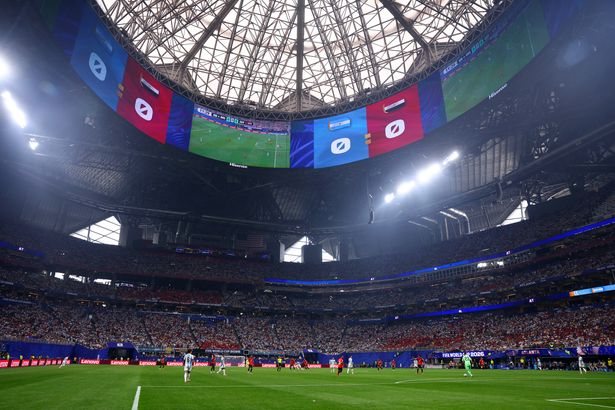
For the first time in World Cup history, the four semi-finalists are the top four teams in the FIFA world rankings, a statistical anomaly that highlights the tournament's competitive balance.
By George Kensington · 5 min read
For the first time in the history of the men's World Cup, the four semi-finalists are also the top four teams in the FIFA world rankings, a statistical coincidence that has caught the attention of football statisticians and fans alike. The 2026 tournament in the United States, Canada and Mexico has seen Brazil, Germany, Argentina and the Netherlands reach the last four, mirroring their positions at the top of the global rankings at the start of the competition.
The FIFA rankings, which are updated after every match during the tournament, have fluctuated throughout the group stage and knockout rounds, but the composition of the top four has remained unchanged. Brazil entered the tournament ranked third, Germany second, Argentina fifth and the Netherlands 15th, but by the time the semi-finals were set, the order had shifted to reflect the four teams that had advanced. This marks a rare alignment between ranking and performance at the business end of the tournament.
Historical data shows that such a scenario has never occurred before. In previous World Cups, the semi-final line-up has often included teams outside the top four, such as South Korea in 2002, who were ranked 40th, or Turkey in the same year, who were 22nd. In 2014, Germany and Argentina were both in the top five, but the Netherlands were ranked 15th and Brazil were third. The 2018 tournament saw France, Belgium, England and Croatia reach the semi-finals, with Croatia ranked 20th at the time. The 2022 edition featured Argentina, France, Croatia and Morocco, with Morocco ranked 22nd.
The current semi-final line-up also features a highly anticipated clash between England and Argentina, two nations with a storied rivalry that dates back to the 1986 World Cup quarter-final, when Diego Maradona scored the infamous «Hand of God» goal. England, ranked fourth, will face Argentina, ranked fifth, in Atlanta on Wednesday night. The match is expected to draw a massive global audience and has already generated significant political and diplomatic interest, with an Argentine politician confirming a ban on English flags at the stadium, citing historical tensions.
England manager Thomas Tuchel faces a potential disciplinary risk from FIFA during the semi-final, as the governing body has devised a plan to monitor his conduct on the touchline. Tuchel, who took over the England job after the 2024 European Championship, has a history of passionate sideline behaviour that has occasionally drawn fines and suspensions. FIFA's strict regulations on coach conduct could see him sanctioned if he oversteps the mark during the high-stakes match.
The other semi-final pits Brazil against Germany, a rematch of the 2014 semi-final when Germany humiliated Brazil 7-1 on home soil. That result remains one of the most shocking in World Cup history, and Brazil will be eager to avenge that defeat. Germany, meanwhile, are seeking their fifth World Cup title, while Brazil aim for a record-extending sixth. The Netherlands, who have never won the World Cup despite reaching three finals, will face the winner of the England-Argentina match in the final.
The alignment of rankings and semi-finalists has sparked debate among football analysts about the predictive power of the FIFA ranking system. Critics have long argued that the rankings are flawed and do not accurately reflect a team's true strength, but this tournament has provided a counterargument. The top four teams have consistently performed at a high level, with Brazil and Germany dominating their groups and Argentina and the Netherlands overcoming tough knockout matches.
Off the pitch, the tournament has also seen significant commercial and cultural impact. David Beckham and Lionel Messi, both of whom play for Inter Miami in Major League Soccer, will be on opposite sides during the England-Argentina semi-final. Beckham, a former England captain, and Messi, the reigning World Cup winner with Argentina, have a combined net worth that exceeds £1 billion, according to recent estimates. Their presence in the semi-final adds a layer of celebrity intrigue to an already compelling match.
As the World Cup enters its final week, the question of whether the top four teams will remain in the rankings after the final remains open. The winner of the tournament will almost certainly claim the top spot, but the current alignment is a testament to the strength of the four remaining teams. Football fans around the world are now eagerly awaiting the semi-finals, which promise to deliver drama, skill and historical significance.