Business 110
Dacia CEO Urges EU to Freeze Small Car Rules to Cut Prices
In this issue
Business 110
Dacia CEO Urges EU to Freeze Small Car Rules to Cut Prices
Culture 89
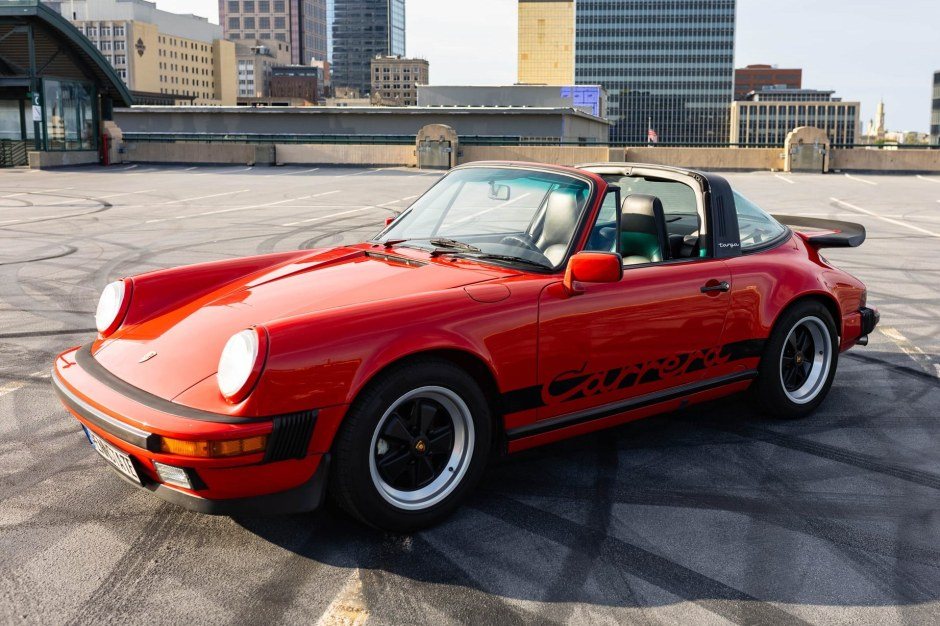
1988 Porsche 911 Carrera Targa G50 with Rebuilt Engine Heads to Auction
Economy 30
HMRC is writing to low earners about pension top-ups averaging about £70
News 124
Aftermarket Trackers Recover 99% of Stolen Cars as Factory Systems Fail
Politics 104
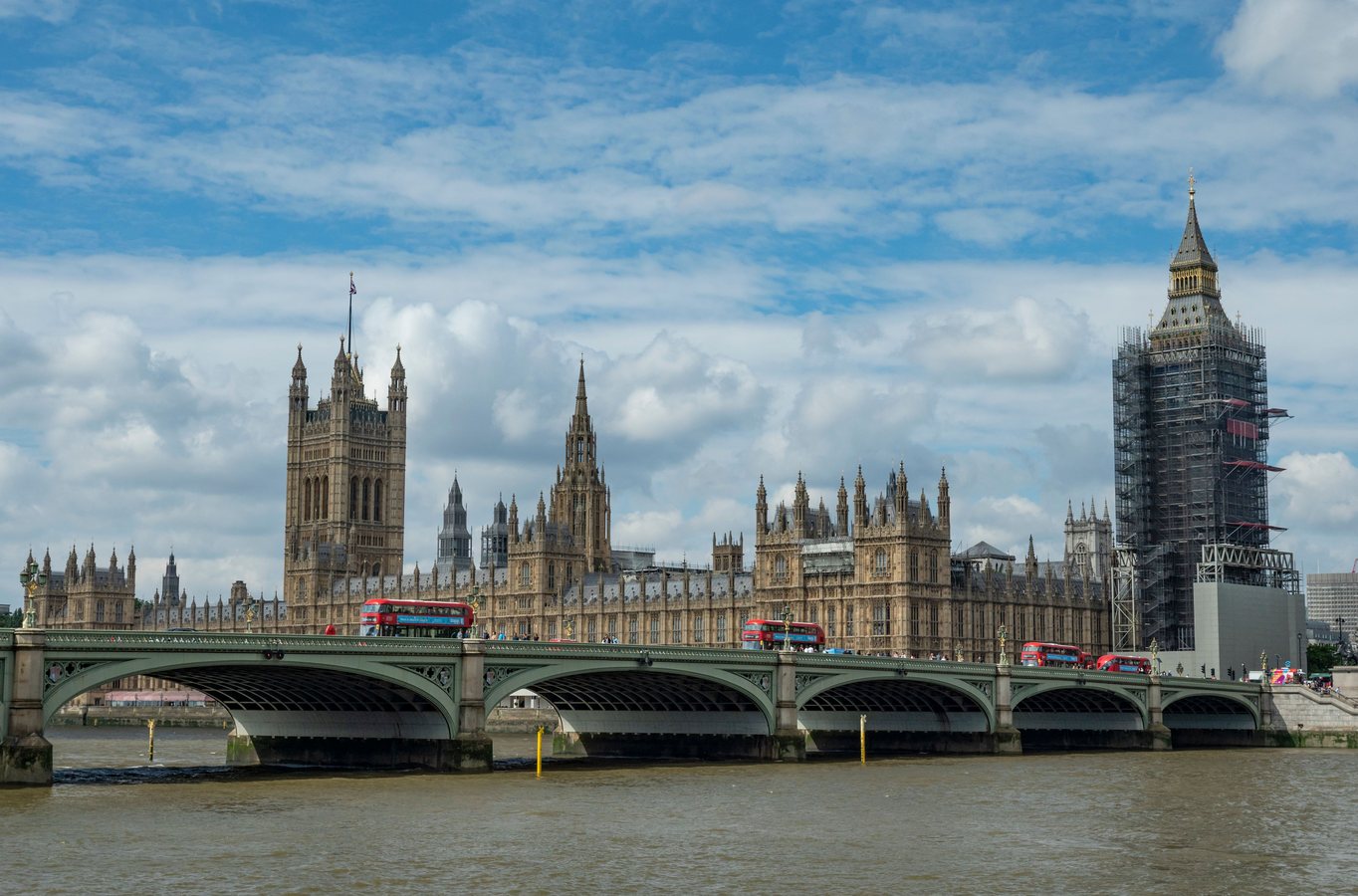
Met police open inquiry into alleged foreign donations to Reform UK
Sports 231
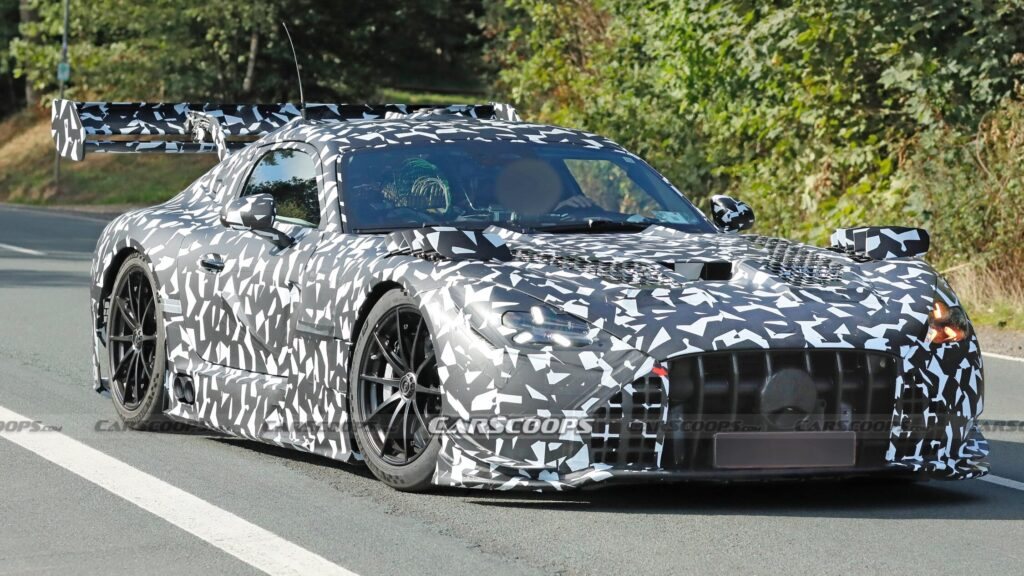
AMG GT Black Series Spied With Radical Aero Ahead of Nürburgring Record Attempt
Technology 116
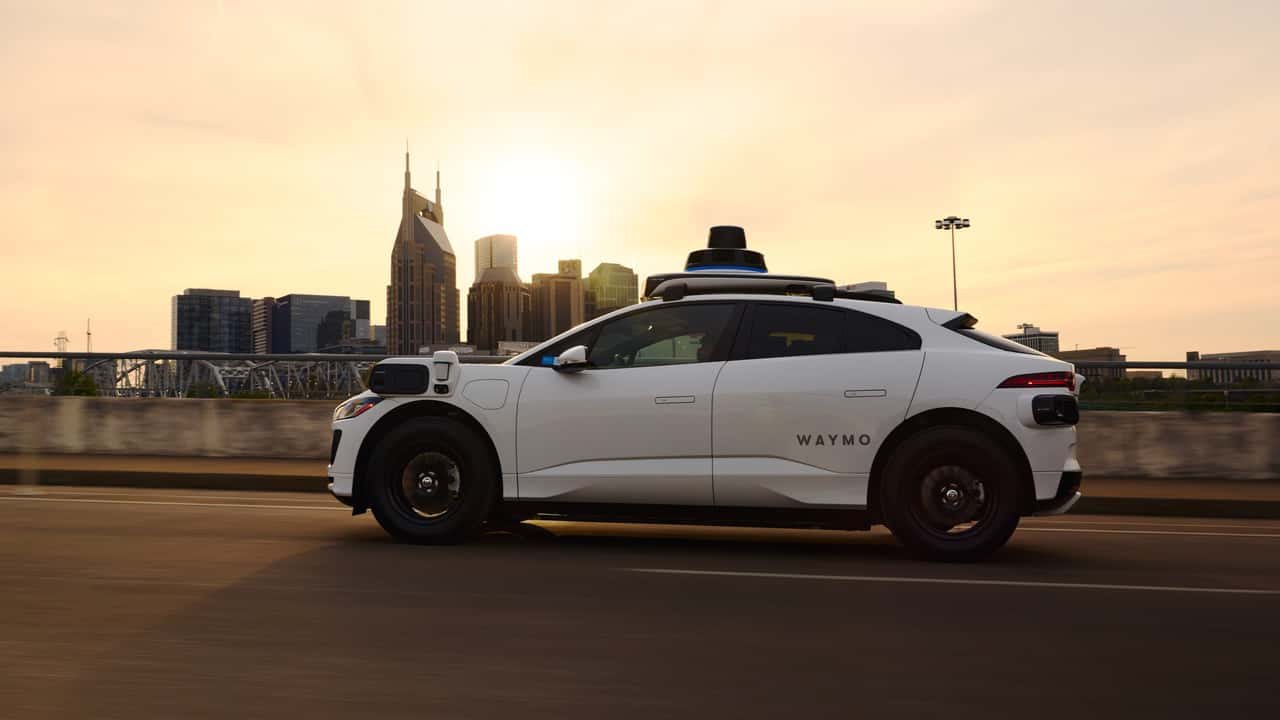
Waymo Expands Driverless Ride-Hailing to Las Vegas
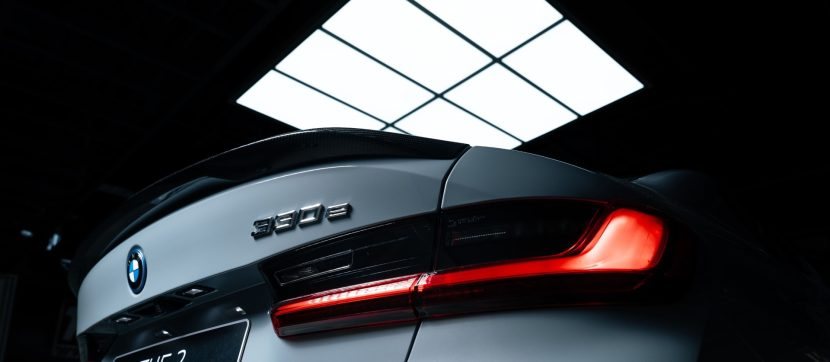
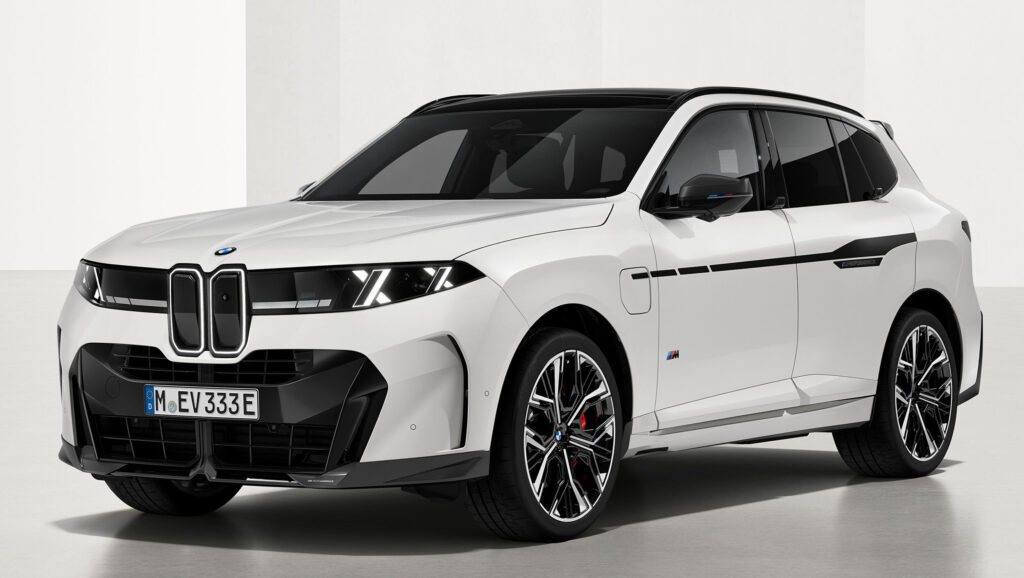
BMW has confirmed that the next-generation 3 Series will continue to offer a plug-in hybrid powertrain alongside the all-electric i3, as the company maintains its multi-powertrain strategy.
By Edward Beaumont · 4 min read
BMW will offer the next-generation 3 Series with a plug-in hybrid powertrain, the company has confirmed, ensuring that buyers not yet ready to switch to a fully electric car will still have a choice in its most important sedan range. The announcement was made by Sergio Solero, President and CEO of BMW Italy, during the 2026 Turin Motor Show, where the new all-electric i3 and the X5 made their Italian debut.
The new 3 Series, known internally by the model code G50, will therefore continue to combine a combustion engine with an electric motor and a battery pack. The decision reflects BMW's long-standing «Power of Choice» strategy, under which the manufacturer offers customers a variety of powertrain options depending on their needs and driving habits. The next-generation 3 Series is shaping up to be a prime example of that approach, with the electric i3 sitting alongside the plug-in hybrid variant in the same family.
BMW has not yet released technical details for the G50 plug-in hybrid, but an evolution of the current 330e setup would be a logical step. The outgoing G20-generation 330e uses a 2.0-litre four-cylinder petrol engine, an electric motor integrated into an eight-speed automatic transmission, and a 19.5 kWh usable battery. Combined output stands at 292 horsepower and 420 Nm of torque.
Electric range is expected to improve on the current model. The existing 330e Sedan can cover up to 101 kilometres on electric power alone under the WLTP cycle, while the slightly heavier xDrive version manages up to 96 kilometres. The next-generation plug-in hybrid will likely push beyond those figures, potentially exceeding 100 kilometres of electric range. Engineers could achieve this through a more efficient powertrain, further battery development, and efficiency gains from the broader technological overhaul associated with BMW's Neue Klasse generation of vehicles.
It is important to note that BMW has not announced the new plug-in hybrid's battery capacity or electric range. Any figure beyond the current 101-kilometre benchmark remains an expectation rather than a confirmed specification. The company has been careful to drip-feed details about the new 3 Series in the same way it did for the fully electric i3, and further information is expected closer to the car's launch.
The new 3 Series will make its world debut at the end of the month before entering production shortly afterwards at BMW's Dingolfing plant in Germany. The plug-in hybrid will join the already confirmed all-electric i3, which was the first member of the next-generation 3 Series family to be shown. The two cars look remarkably similar, but they are built on different foundations and serve different customers.
Diesel is also likely to continue for one more generation, although BMW has not made any official announcement. The M340d will not live to see another generation because the B57 engine is not continuing in the 3 Series. The smaller B47 four-cylinder 2.0-litre unit is expected to be the sole diesel option available for the eighth-generation luxury sedan.
Looking further ahead, the already confirmed i3 Touring could be followed by another 3 Series wagon with combustion engines, but the G51 model has not been officially confirmed. For now, the confirmation of a plug-in hybrid 3 Series underlines BMW's intention to keep its best-selling sedan relevant to a broad range of buyers as the industry transitions towards electrification at different speeds in different markets.