
Business 110
Dacia CEO Urges EU to Freeze Small Car Rules to Cut Prices
In this issue
Business 110
Dacia CEO Urges EU to Freeze Small Car Rules to Cut Prices
Culture 89
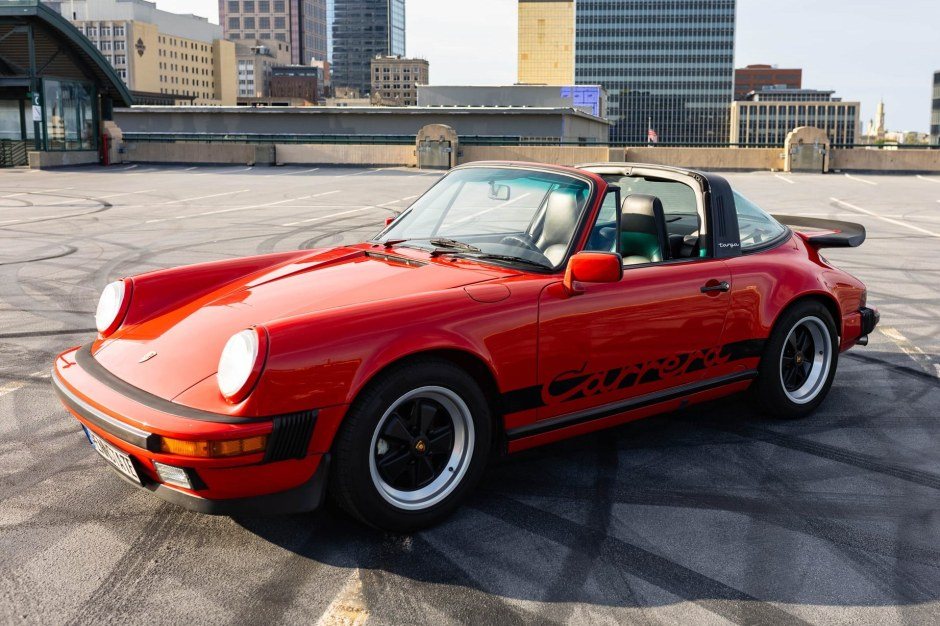
1988 Porsche 911 Carrera Targa G50 with Rebuilt Engine Heads to Auction
Economy 30
HMRC is writing to low earners about pension top-ups averaging about £70
News 124
Aftermarket Trackers Recover 99% of Stolen Cars as Factory Systems Fail
Politics 104
Met police open inquiry into alleged foreign donations to Reform UK
Sports 231
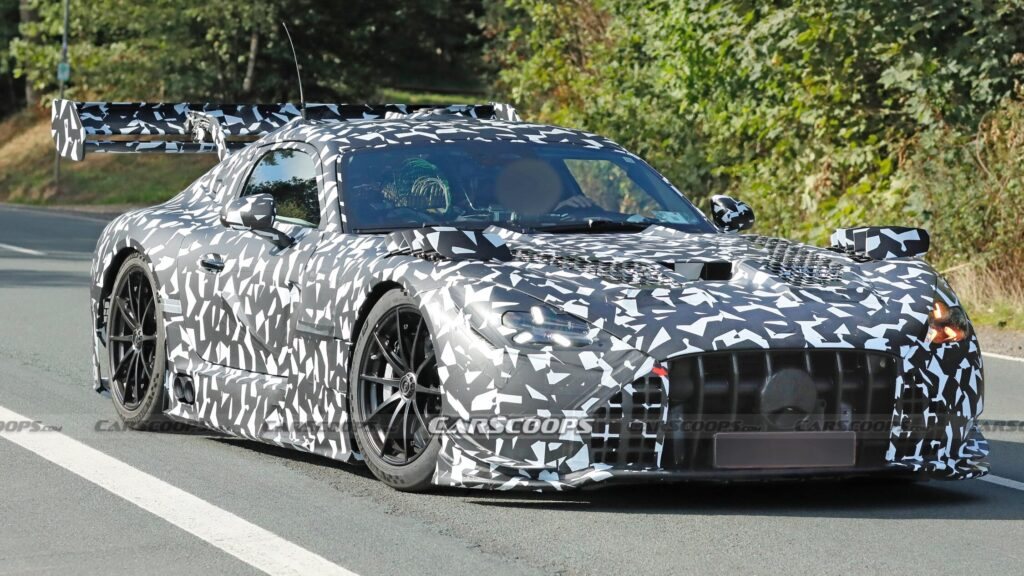
AMG GT Black Series Spied With Radical Aero Ahead of Nürburgring Record Attempt
Technology 115
Waymo Expands Driverless Ride-Hailing to Las Vegas
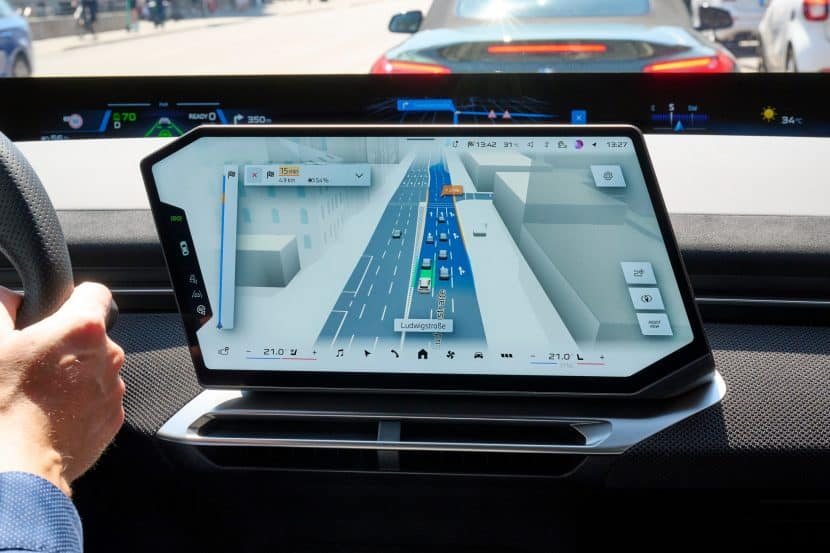
BMW is rolling out a new version of its Maps system that merges navigation, sensor data and driver assistance into a single 3D view on the central display, arriving first on iDrive X models.
By Eleanor Ellington · 4 min read
BMW is preparing to roll out a new generation of its Maps navigation system that combines route guidance, the vehicle's surroundings and driver assistance information into a single three-dimensional view on the central display. The feature will begin arriving on cars equipped with the company's iDrive X infotainment platform, including the iX3, i3, X5 and iX5, and the 7 Series and i7.
Rather than presenting a conventional map alongside separate driver assistance graphics, the system renders the car, the road and surrounding traffic together in one 3D environment. The vehicle is shown precisely within its lane and at the correct road level, an approach BMW says should make the system easier to interpret on multilane highways, when approaching intersections or while navigating busy city streets. The display also indicates how the car perceives its surroundings and which assistance functions are currently active.
The visual language will be familiar to anyone who has played a top-down driving game, with the car and traffic represented from above as they move through a digital rendering of the streets. BMW's version is considerably more sophisticated, layering real-time sensor data, navigation and driver assistance on top of the map. The company developed the integrated system in-house, while Mapbox supplies the navigation data and mapping technology. Software combines map information with data from the vehicle's sensors and artificial intelligence to build the 3D representation.
The new interface is designed to support cars that take on more of the driving task. The latest Highway Assistant allows hands-free driving on motorways at speeds of up to 81 mph, or 130 km/h, handling steering, acceleration and braking. It can also perform automated lane changes once the driver confirms the manoeuvre with a glance. When route guidance is active, the system can support the driver from a motorway entrance through to the exit.
BMW is not limiting the technology to motorways. From 2027, models equipped with iDrive X will begin receiving navigation-guided semi-automated driving in urban areas, initially in Germany. That makes the 3D display more than a decorative way to show directions: it is intended to provide a visual link between where the navigation system wants the car to go and what the driver assistance technology is actually doing.
The system takes advantage of the large 17.9-inch central screen that dominates the dashboard in iDrive X cars. BMW has been moving towards increasingly detailed visualisations for years, including three-dimensional representations of the vehicle and surrounding traffic within its driver assistance systems. The latest Maps version pushes that idea further by placing navigation and assistance information in the same visual environment.
The rollout will extend beyond the first iDrive X models. The next-generation 3 Series, due to debut in the coming weeks, will receive the latest infotainment technology, and the iX4, expected to be revealed before the end of the year, will also be equipped with it.
Whether drivers find the new interface genuinely useful or simply another example of increasingly elaborate in-car screens remains to be seen. What is clear is that BMW is betting on a closer relationship between navigation and automated driving, using a single 3D view to show both what the car intends to do and what its sensors are detecting around it.