Business 139
Stellantis Adds Flatbed Opel Vivaro with New 148hp Turbodiesel
In this issue
Business 139
Stellantis Adds Flatbed Opel Vivaro with New 148hp Turbodiesel
Culture 150
Max Mara champions understated elegance at Milan Fashion Week
Economy 33
Bitcoin and Ethereum Surge to Levels Last Seen in January
News 131
Trump Tells UN Iran Faces Choice Between Deal and Annihilation
Politics 107
Republican Judges Defy Supreme Court in Missouri Redistricting Fight
Sports 245
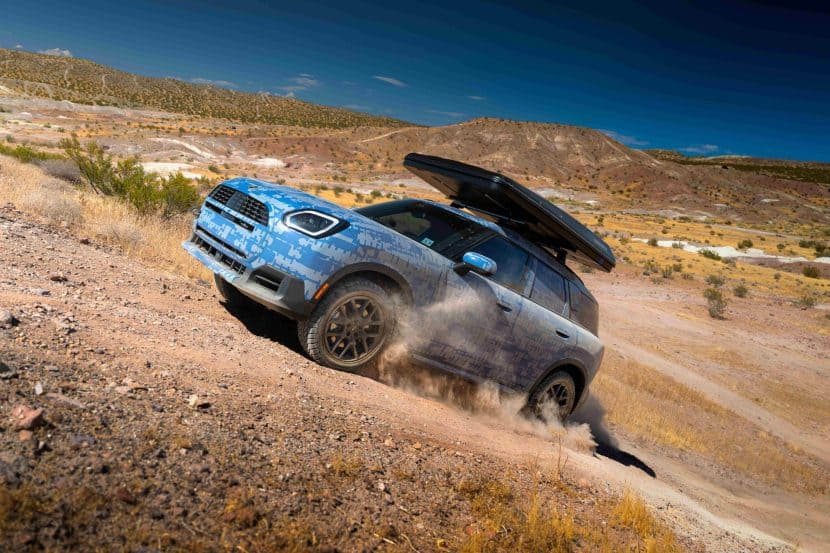
MINI to Debut New Adventure SUV at Rebelle Rally
Technology 160
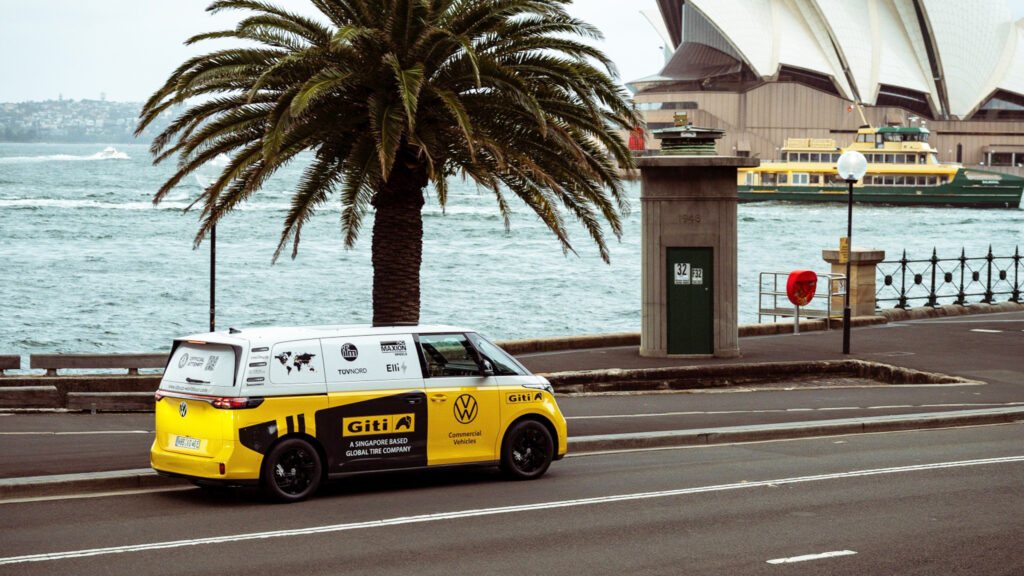
VW ID. Buzz Sets Guinness World Record After 92 Countries in 445 Days
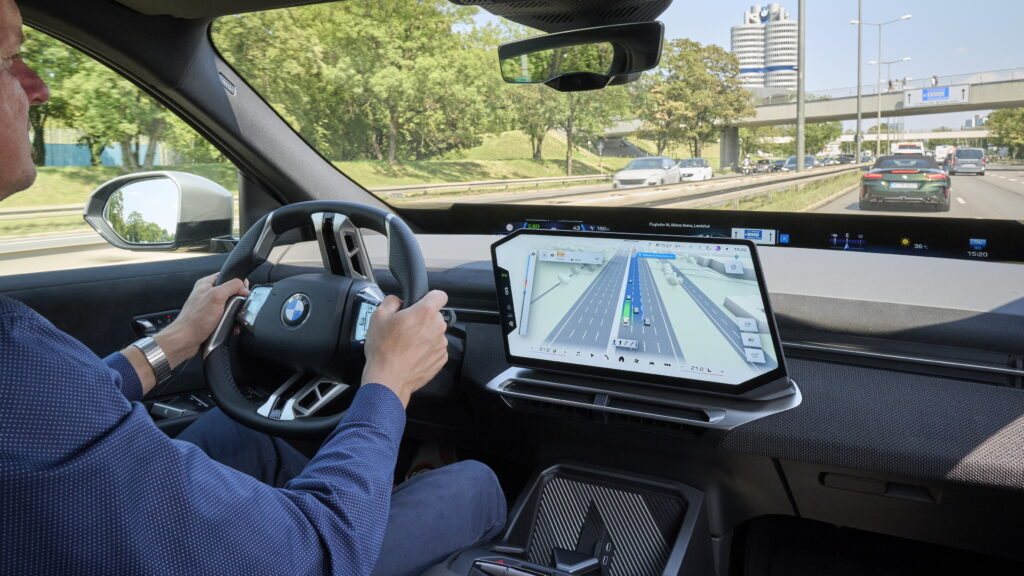
BMW will roll out a 3D mapping interface that combines navigation, surroundings and driver-assistance data on one screen, starting with Operating System X vehicles in October 2026.
By Edward Beaumont · 3 min read
BMW is preparing to show drivers exactly what their car is seeing and why it is making decisions. From October 2026, a feature called BMW Maps with Driver Assistance will combine route guidance, the vehicle's surroundings and assistance-system information in a single 3D view on the central display.
The interface positions the car within the correct lane and at the proper road level, which BMW says should prove particularly useful around complicated interchanges, intersections and multilane city streets. Rather than asking drivers to interpret a map and a separate assistance graphic, the system brings the planned route and the car's understanding of its surroundings together on one screen.
The move addresses a common frustration with modern driver aids. When a car slows, changes lanes or steers through an interchange, the logic behind those actions can be hard to follow. By showing which assistance functions are supporting the driver and how the vehicle interprets the current road situation, BMW hopes to make those decisions easier to understand and to help drivers feel more confident about handing over certain controls.
BMW developed the feature in-house, while Mapbox supplies its navigation data and mapping technology. The October rollout is limited to vehicles running BMW Operating System X and equipped with either Highway Assistant or Highway & City Assistant. Availability will extend across selected countries, cities and roads, and BMW has not yet provided US-specific timing, pricing or a complete model-eligibility list.
The display ties into BMW's Highway Assistant 2, which can manage acceleration, braking and steering at speeds of up to 81 mph (130 km/h) on approved highways. With an active route, it can support the driver from the entrance ramp to the appropriate exit and perform lane changes after receiving confirmation through a glance.
BMW is careful to describe these functions as assisted or semi-automated. Drivers remain responsible for supervising them, and the new visualisation does not make the car any more semi-autonomous than before. Like most Level 2 systems, the technology can be genuinely helpful but may also lure drivers into a false sense of security. Hands-free does not mean mind-off.
Germany will be the first market to get navigation-guided semi-automated urban driving, beginning in 2027, with other markets potentially following later. The feature reflects a broader push by carmakers to build trust in automated systems by making their behaviour more transparent, rather than simply asking drivers to accept them on faith.
3