
Business 110
Dacia CEO Urges EU to Freeze Small Car Rules to Cut Prices
In this issue
Business 110
Dacia CEO Urges EU to Freeze Small Car Rules to Cut Prices
Culture 89
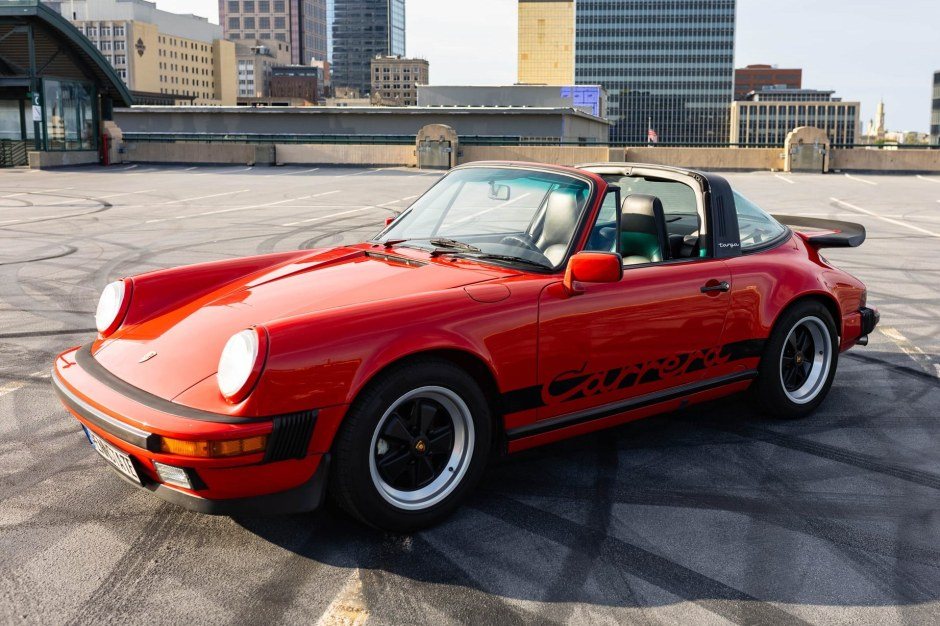
1988 Porsche 911 Carrera Targa G50 with Rebuilt Engine Heads to Auction
Economy 30
HMRC is writing to low earners about pension top-ups averaging about £70
News 124
Aftermarket Trackers Recover 99% of Stolen Cars as Factory Systems Fail
Politics 104
Met police open inquiry into alleged foreign donations to Reform UK
Sports 231
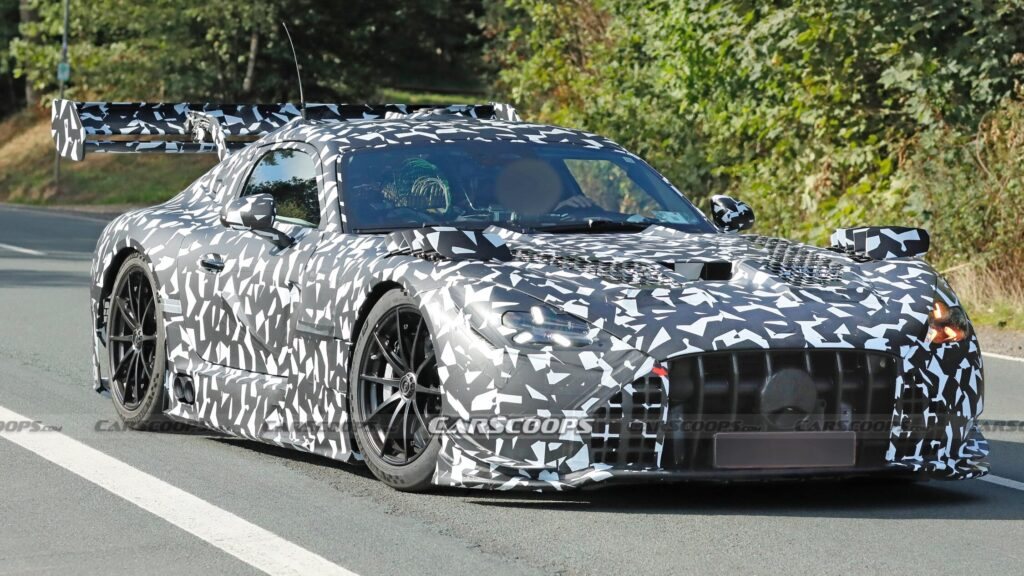
AMG GT Black Series Spied With Radical Aero Ahead of Nürburgring Record Attempt
Technology 115
Waymo Expands Driverless Ride-Hailing to Las Vegas
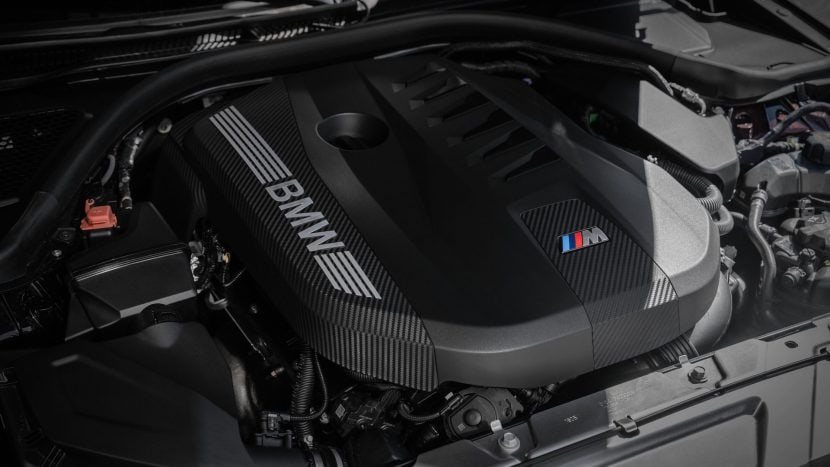
The B58 inline-six has powered BMW's core range since 2015, spread to Toyota, Morgan and INEOS, and is still being developed — making a serious claim to be the marque's most important engine.
By Edward Beaumont · 4 min read
BMW's B58 straight-six has passed its tenth year in production and is making a serious claim to be the most important engine in the company's history. Debuting in 2015 as a replacement for the N55 — and, before it, the twin-turbocharged N54 — the 3.0-litre turbocharged unit arrived with 320 horsepower in US specification, a clear step up from the outgoing engine's 300 horsepower.
What has become clearer over the intervening decade is that the B58's most significant advances lie in durability and longevity rather than headline output alone. The substantial internal changes made relative to the N54 and N55 have given the engine a reputation for holding up under hard use, a quality that has helped it spread far beyond the model line it was designed for.
The engine's defining characteristic is its reach. BMW fits the B58 to sports saloons, grand tourers, roadsters and SUVs, where it can deliver quiet, effortless acceleration in an everyday car or supply the character that separates an M Performance model from one that is merely fast. That ubiquity keeps the straight-six — a layout central to BMW's identity — relevant in the cars customers actually buy, rather than confining it to a handful of low-volume flagships.
Its influence has travelled well beyond Munich. Toyota selected the B58 for the revived GR Supra, a car with its own considerable inline-six heritage, and the final 2026 version of that model produces 382 horsepower. The decision was contentious among some enthusiasts, but it placed a BMW engine at the centre of one of the decade's most discussed sports cars. Low-volume specialists have followed: the engine also powers the INEOS off-roaders and the Morgan Plus Six.
The B58 has not stood still. Its most recent major update, in 2022, brought a more efficient combustion cycle along with optimised intake ports and combustion chambers. In the new M350, a revised hybrid system adds 30 lb-ft (40 Nm) of torque over the previous iteration. The Bovensiepen Spider, a hand-built roadster based on the BMW Z4, uses a tuned version of the inline-six rated at 320 kW — roughly 429 horsepower — with only 99 examples planned. An engine that began life in a mainstream 3 Series now sits at the heart of a limited-production sports car built around driving pleasure.
There are credible rivals for the title of BMW's most important engine. The M50 found its way into almost every model the company built during the 1990s, and its successors were just as pervasive well into the 2000s. Before that, the M10 arrived with the original Neue Klasse cars, powered the legendary 2002 Turbo and underpinned BMW's Formula 1 efforts. The B58 is not necessarily the most famous powerplant to come out of Bavaria either: the S54 made the E46 M3 unforgettable, and the V12 in the McLaren F1 occupies a place in automotive history that no mass-produced six-cylinder can reasonably expect to take.
But if importance is measured by an engine that defines the brand, reaches beyond its own showrooms and still has a role in its future, the case for the B58 is already remarkably complete. It powers the everyday cars, gives special models a compelling heart, has earned a place in another manufacturer's sports-car lineage and is following BMW into its next generation. Its story, unlike those of its predecessors, is still being written.