Business 137
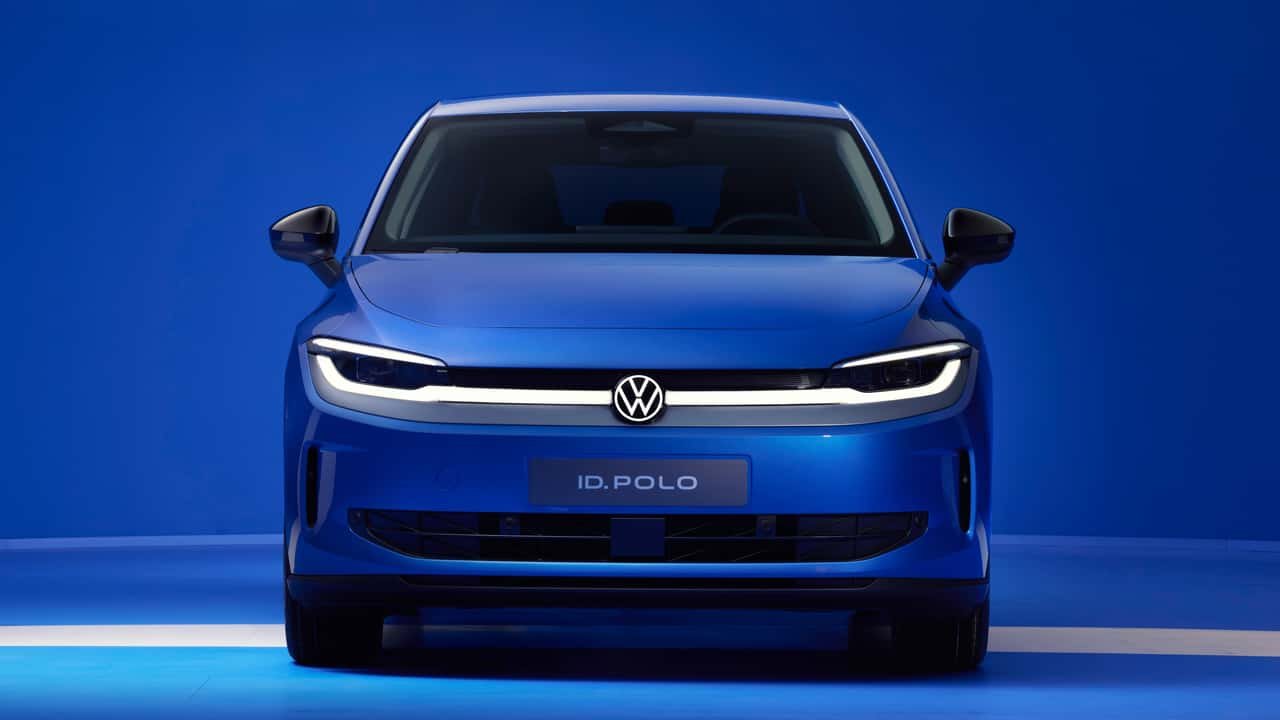
Volkswagen Now Sells More EVs Than Petrol Cars in Germany
In this issue
Business 137
Volkswagen Now Sells More EVs Than Petrol Cars in Germany
Culture 143
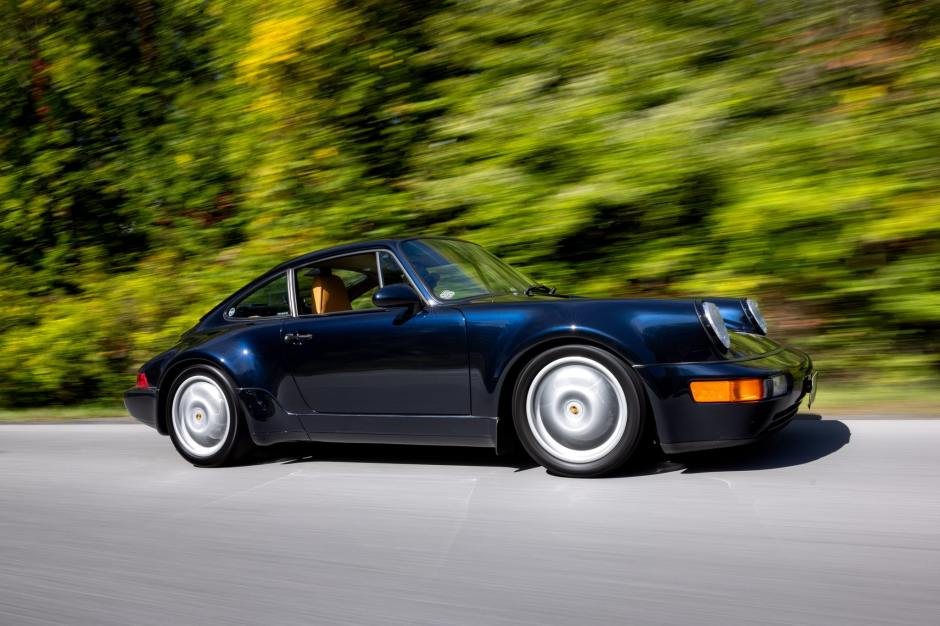
1994 Porsche 911 Carrera 4 Widebody Heads to Auction After Full Restoration
Economy 33
Bitcoin and Ethereum Surge to Levels Last Seen in January
News 131
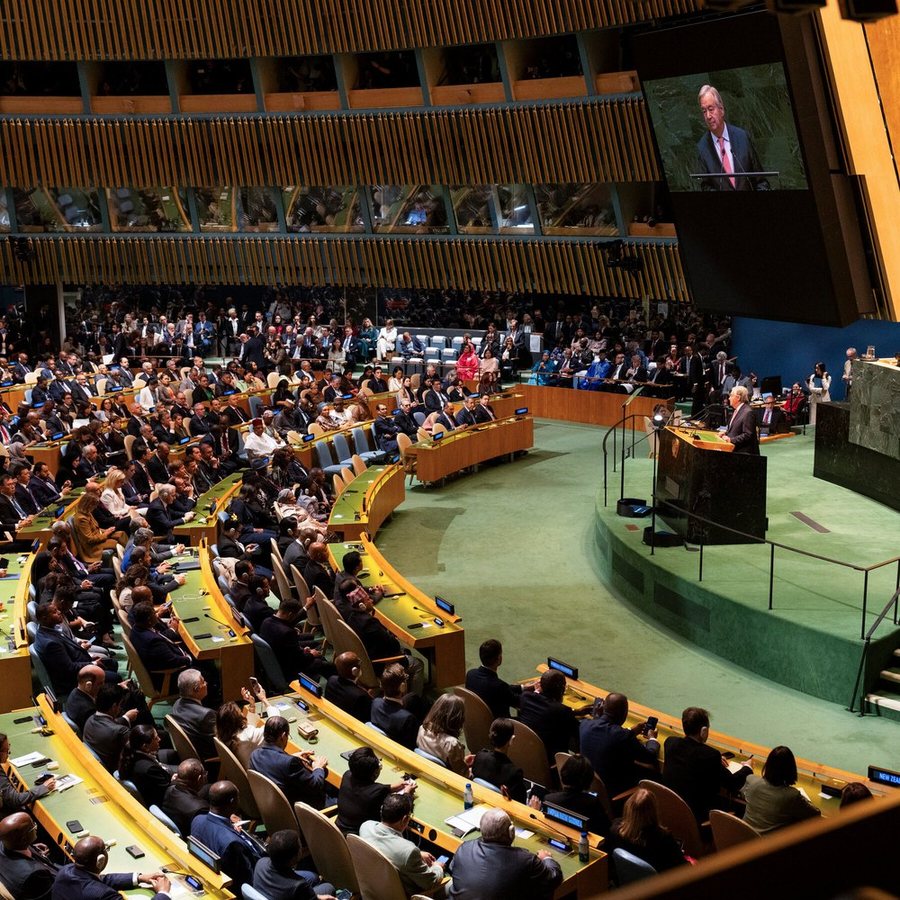
Trump Tells UN Iran Faces Choice Between Deal and Annihilation
Politics 106
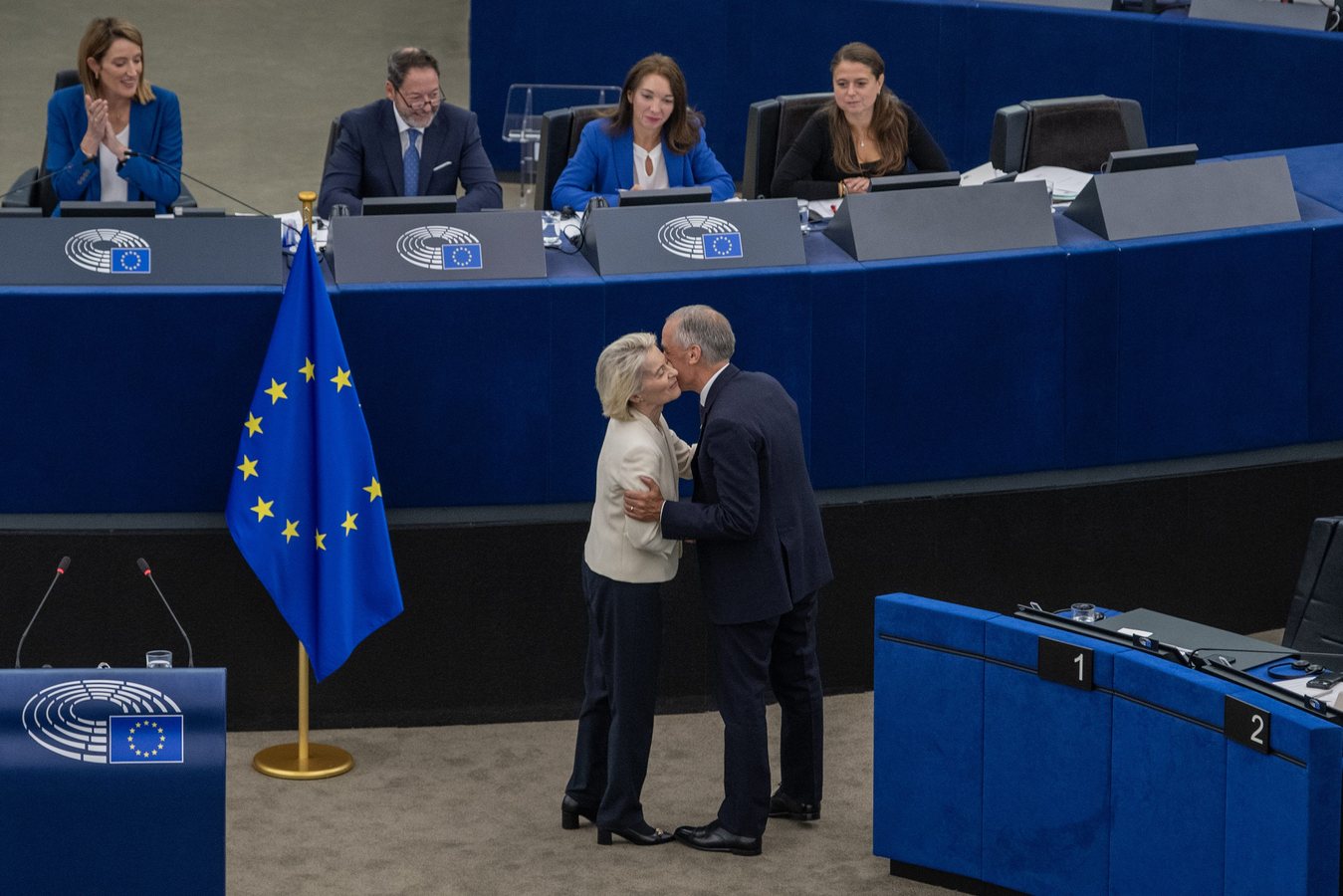
Canada Moves Closer to EU as First Associate Member
Sports 244
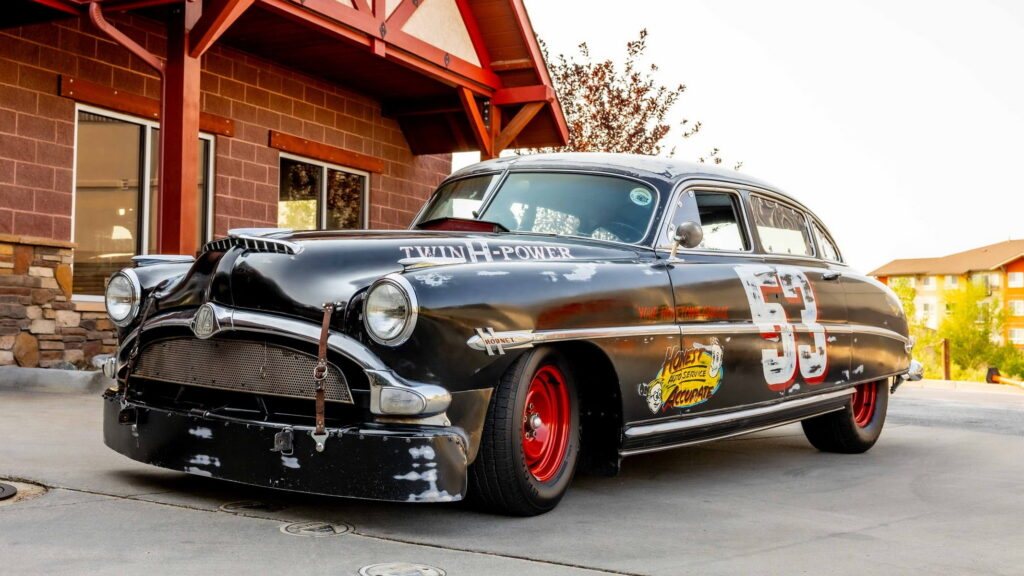
14 Classic Cars to Drive Route 66 for Parkinson's Charity
Technology 154
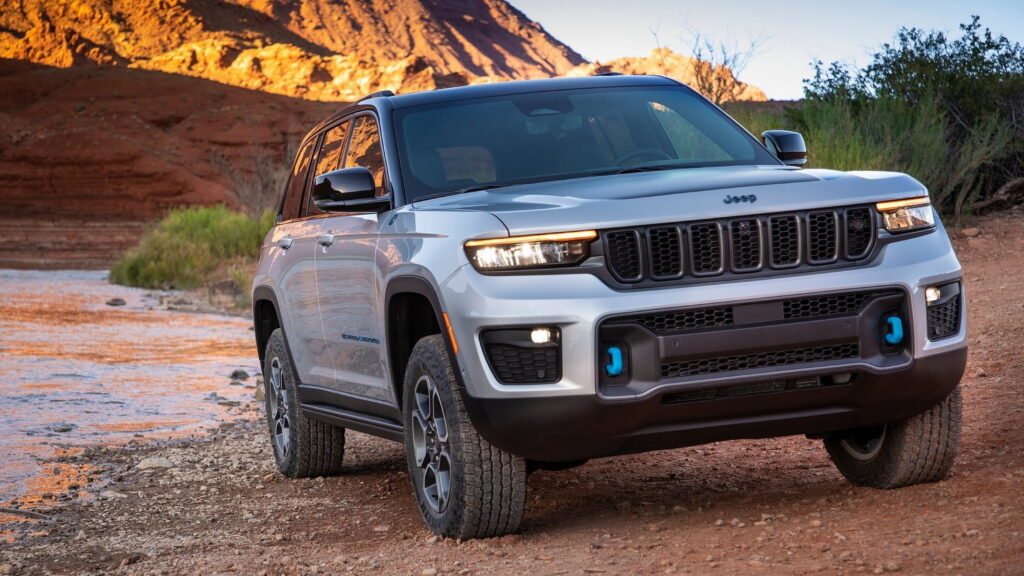
Jeep Grand Cherokee Reportedly Set for 420-HP Hurricane Six by 2028
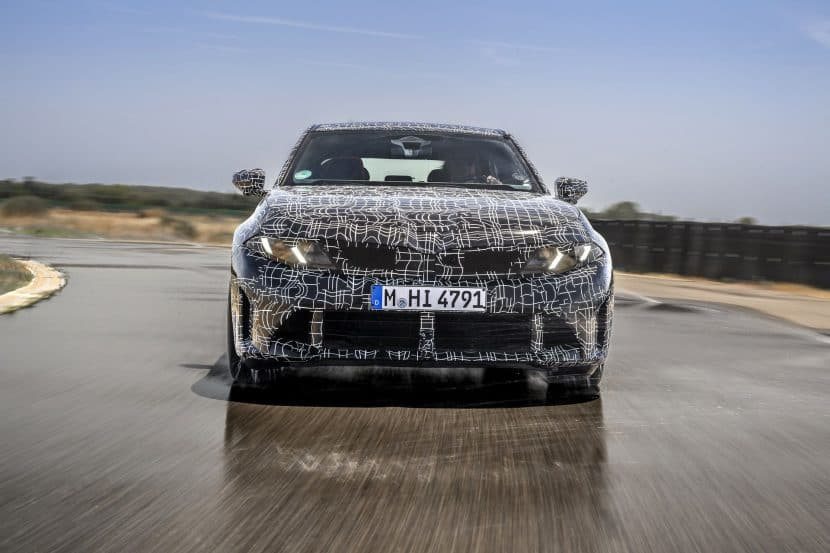
BMW's eighth-generation 3 Series uses around 25 per cent secondary materials, rising to about 31 per cent for the electric i3 50 xDrive, as the company cuts supply-chain emissions by roughly 30 per cent compared with the outgoing G20.
By Charlotte Redford · 4 min read
BMW has confirmed that roughly a quarter of the new-generation 3 Series is built from recycled and reused materials, a figure that rises to about 31 per cent for the fully electric i3 50 xDrive. The German manufacturer said the combustion-engined sports sedan will use around 25 per cent secondary materials, putting a concrete number on its circular-economy ambitions rather than relying on broad claims about sustainability.
The electric Neue Klasse model therefore holds a slight edge over its petrol-powered sibling in recycled content. BMW is applying the same approach across both drivetrains, a detail that matters because the company continues to sell cars with four types of powertrain — gasoline, diesel, plug-in hybrid and battery electric — and plans to add a fifth when the fuel-cell iX5 Hydrogen reaches the market in a few years.
Specific components show how far the recycled content reaches. The bonnet contains approximately 70 per cent recycled aluminium, and the same repurposed material is used in heavy-duty parts including suspension components, wheel rims, swivel bearings and wheel supports. Those are structural and load-bearing areas rather than cosmetic trim, which gives the figures more weight than a simple marketing claim.
BMW also says supply-chain CO₂e emissions for the combustion-engine 3 Series have been reduced by around 30 per cent compared with the outgoing G20 generation. That reduction covers the emissions associated with producing and delivering the car, not just what comes out of the exhaust, and it applies to the petrol and diesel versions as well as the electric model.
Production arrangements are shifting alongside the materials strategy. With the eighth generation, BMW is moving output of its most popular sedan from Munich to Dingolfing, though the picture is more complicated than a straightforward relocation. The i3 is counted as part of the 3 Series family and is built at BMW's oldest plant. From 2027, the Munich site will switch exclusively to electric vehicle production.
The new 3 Series is expected to break cover within days, complete with an M Performance range-topper. The already teased M350 xDrive will be followed in 2028 by a full-fat M3 using the established S58 engine, possibly with mild-hybrid assistance. Whether a manual gearbox survives another generation remains unclear.
The range will not be sedan-only. A long-roof G51 estate is an open secret and is widely expected to receive both M Performance and full M treatment. An electric i3 Touring, known internally as NA1, will mirror the petrol wagon and will also be offered in both M flavours, giving BMW a broad line-up across combustion and electric power.
The recycled-material numbers arrive as rivals push similar ground. Porsche has begun producing battery cells using recycled cathode active material in a pilot programme with German recycling firm cylib, recovering lithium, nickel, cobalt and manganese from end-of-life high-voltage batteries. Porsche says cells made entirely from recycled raw materials have been tested in vehicles, with output from the partnership expected from 2028.
For BMW, the significance of the 25 per cent figure lies in its specificity. A quarter of a car made from secondary materials is a measurable target that can be audited and compared, and it demonstrates that efficiency gains are not confined to electric vehicles. The company's broader message is that reducing the environmental footprint of a combustion car is possible through material choice and supply-chain management, even while it prepares an electric-only future at its Munich plant.
6