
Business 110
Dacia CEO Urges EU to Freeze Small Car Rules to Cut Prices
In this issue
Business 110
Dacia CEO Urges EU to Freeze Small Car Rules to Cut Prices
Culture 89
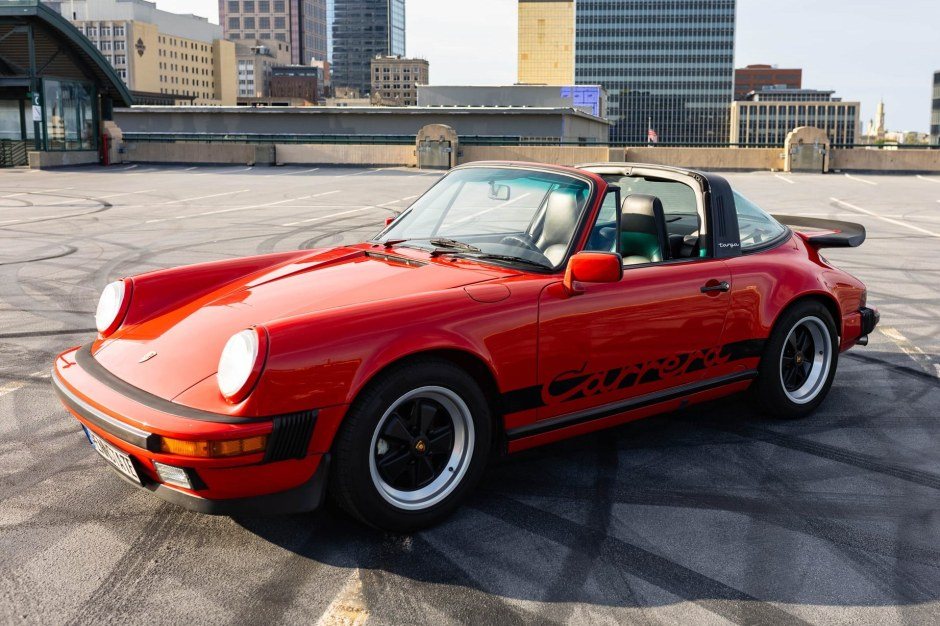
1988 Porsche 911 Carrera Targa G50 with Rebuilt Engine Heads to Auction
Economy 30
HMRC is writing to low earners about pension top-ups averaging about £70
News 124
Aftermarket Trackers Recover 99% of Stolen Cars as Factory Systems Fail
Politics 104
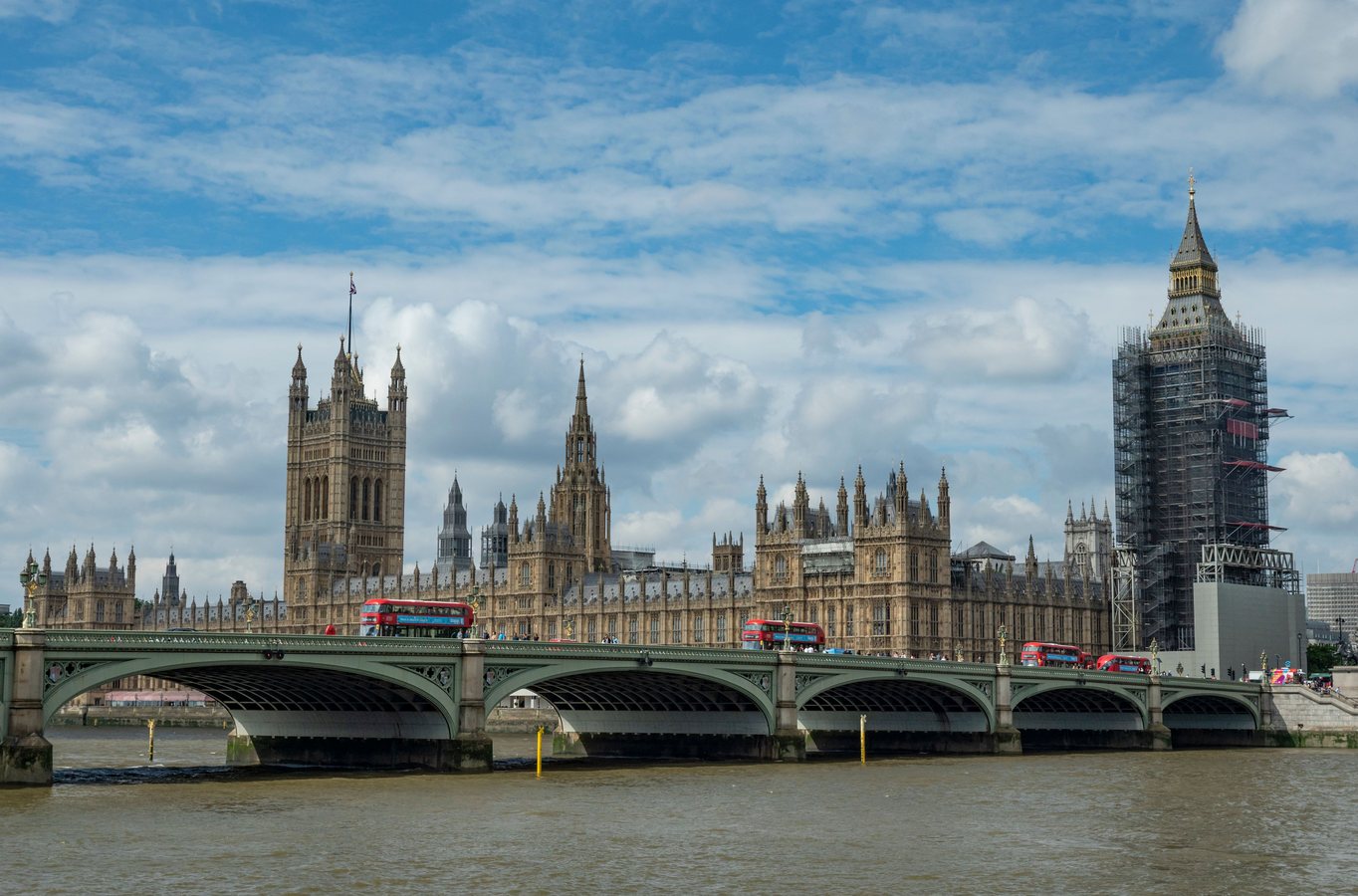
Met police open inquiry into alleged foreign donations to Reform UK
Sports 231
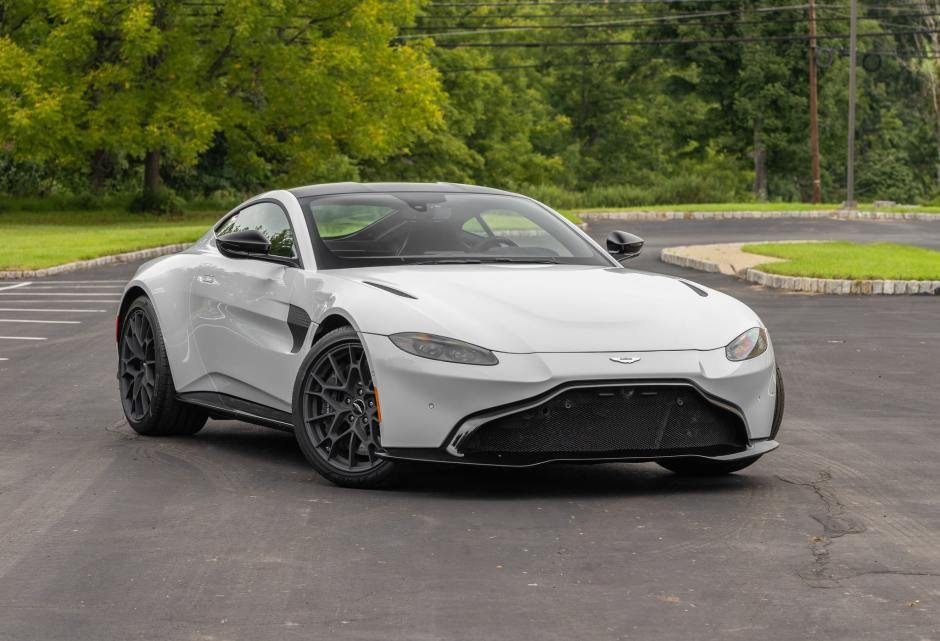
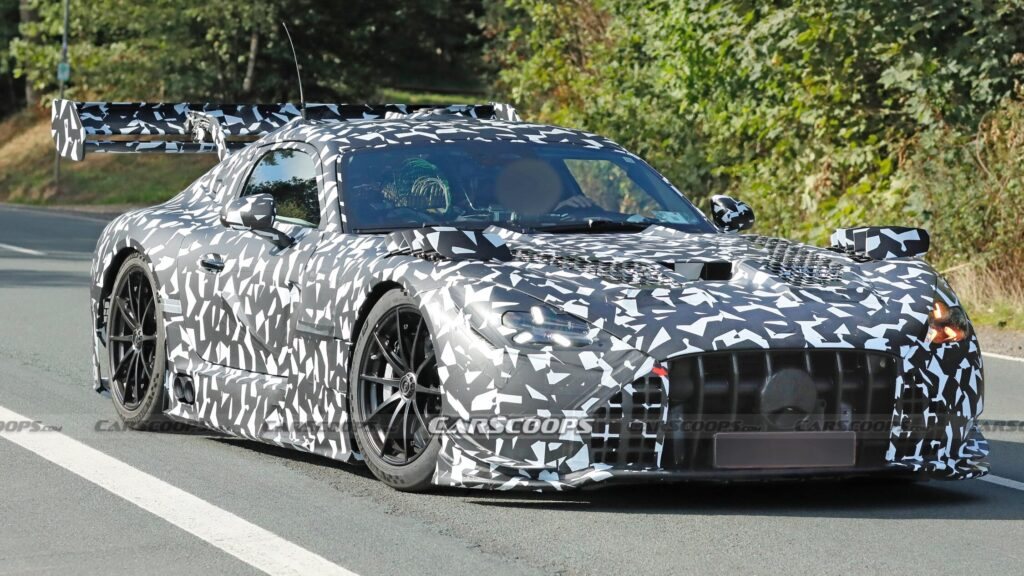
AMG GT Black Series Spied With Radical Aero Ahead of Nürburgring Record Attempt
Technology 115
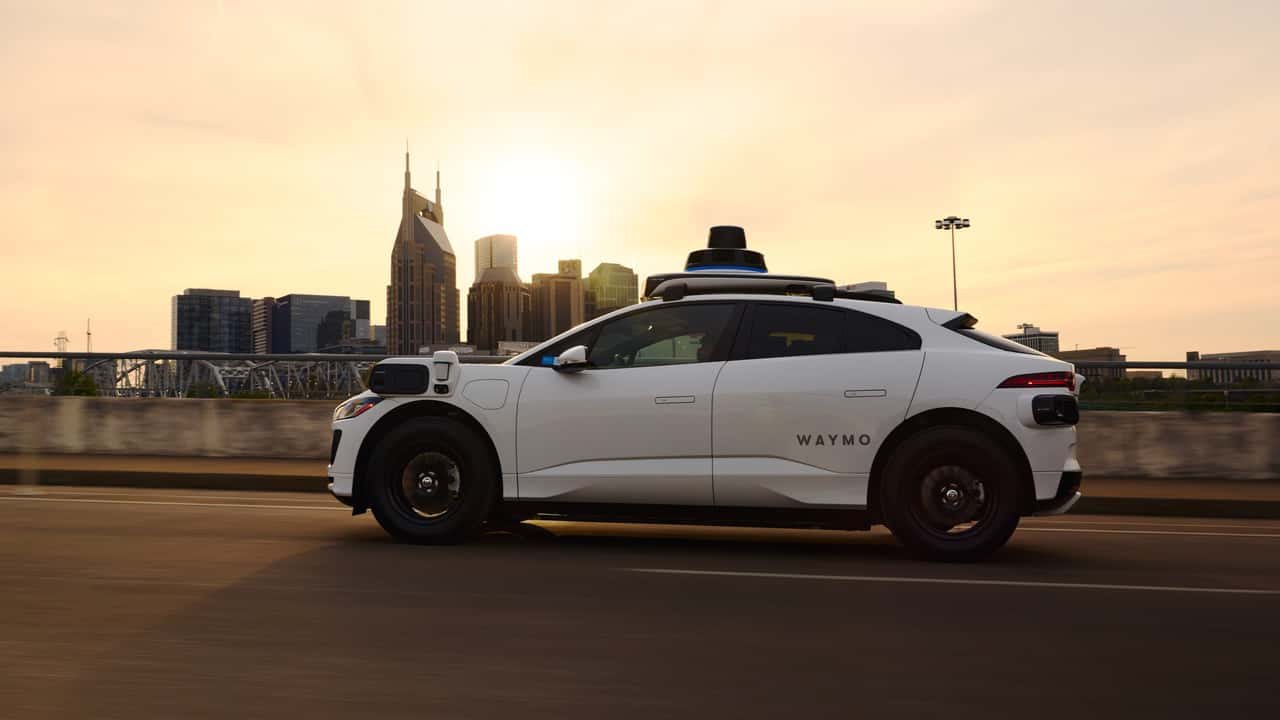
Waymo Expands Driverless Ride-Hailing to Las Vegas
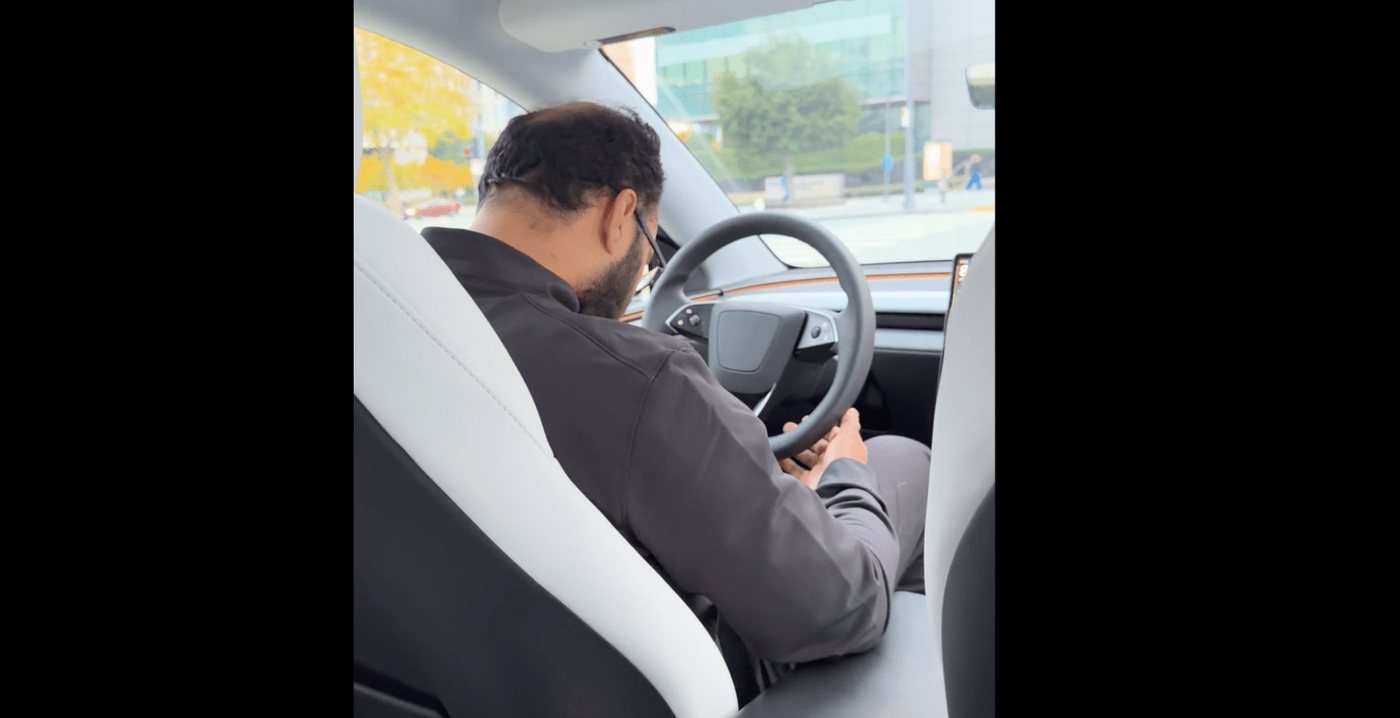
US Representative Raja Krishnamoorthi has given Transportation Secretary Sean Duffy until September 30 to explain what the Department of Transportation is doing about Tesla's Autopilot and Full Self-Driving systems, following an NBC News investigation that uncovered dozens of videos of drivers apparently asleep at the wheel.
By Charlotte Redford · 5 min read
A US congressman is pressing the Department of Transportation for answers on Tesla's Autopilot and Full Self-Driving systems after an NBC News investigation brought to light dozens of videos showing drivers apparently asleep behind the wheel. Representative Raja Krishnamoorthi has given Transportation Secretary Sean Duffy until September 30 to respond to five questions about the technology and its oversight.
The demand follows the broadcast of 43 separate videos in which motorists appear to be unconscious or otherwise disengaged while their Tesla vehicles are in motion. Tesla itself states that the systems «require active driver supervision and are not autonomous driving systems», a position that sits awkwardly with footage suggesting drivers are treating them as fully self-operating.
Krishnamoorthi's questions are expected to focus on what the department knows about the frequency of such incidents, what regulatory tools it has at its disposal, and whether existing rules are adequate for vehicles equipped with advanced driver-assistance features. The congressman has not publicly detailed all five questions, but the thrust of his letter is clear: the federal government needs to demonstrate it is not passively watching a safety risk unfold on public roads.
The National Highway Traffic Safety Administration, which falls under the Department of Transportation, has previously opened investigations into crashes involving Autopilot. Those inquiries have examined whether the system's design allows drivers to become inattentive for extended periods. The agency has the power to require recalls if it determines a defect poses an unreasonable risk, though it has so far stopped short of mandating changes to the software's core operation.
Tesla has consistently argued that its driver-monitoring systems, which include torque sensors on the steering wheel and cabin cameras, are sufficient to ensure engagement. The company has also warned that drivers who misuse the technology are responsible for their own actions. Critics counter that the very name «Full Self-Driving» encourages overconfidence, and that the monitoring can be defeated with simple tricks such as hanging a weight on the wheel.
The NBC News investigation compiled videos from social media and other sources, showing drivers slumped over, reclining, or otherwise unresponsive while travelling at speed. In some cases, other motorists filmed the scenes from adjacent lanes. The footage has renewed calls from safety advocates for stricter rules on how such systems are marketed and monitored.
Krishnamoorthi, an Illinois Democrat, has previously taken an interest in automotive safety and consumer protection. His letter to Duffy is the latest in a series of congressional inquiries into how federal agencies oversee emerging vehicle technologies. The September 30 deadline gives the department roughly three weeks from the date of the request to provide a substantive response.
For British readers, the episode highlights a widening transatlantic debate over the limits of driver-assistance technology. The UK government has been consulting on rules for self-driving vehicles, and the behaviour of systems sold as «full self-driving» in the US is likely to inform how regulators here approach the question of driver monitoring and legal liability.
What happens next depends largely on how the Department of Transportation responds. A detailed answer could shed light on the number of incidents under investigation and the department's view of Tesla's compliance. A vague or delayed reply would likely intensify scrutiny from lawmakers who believe the agency has been too slow to act.
Tesla has not commented publicly on the congressman's letter. The company's shares have been volatile in recent months amid broader questions about demand and competition, though the regulatory pressure represents a separate challenge. For now, the focus is on whether federal officials can provide a convincing account of how they are policing a technology that millions of drivers already use.