Business 131
Volkswagen EV Orders Overtake Petrol Models in Germany
In this issue
Business 131
Volkswagen EV Orders Overtake Petrol Models in Germany
Culture 140
1991 BMW M5 E34 With 147k Miles Listed for Sale
Economy 32
Oil Prices Fall Again but Stay at High Levels
News 129
Oil Conflicts Disrupt Global Supply as Electric Cars Remain Unaffected
Politics 106
Canada Moves Closer to EU as First Associate Member
Sports 242
Yu Zidi, 13, Sets Asian Games 200m Butterfly Record
Technology 148
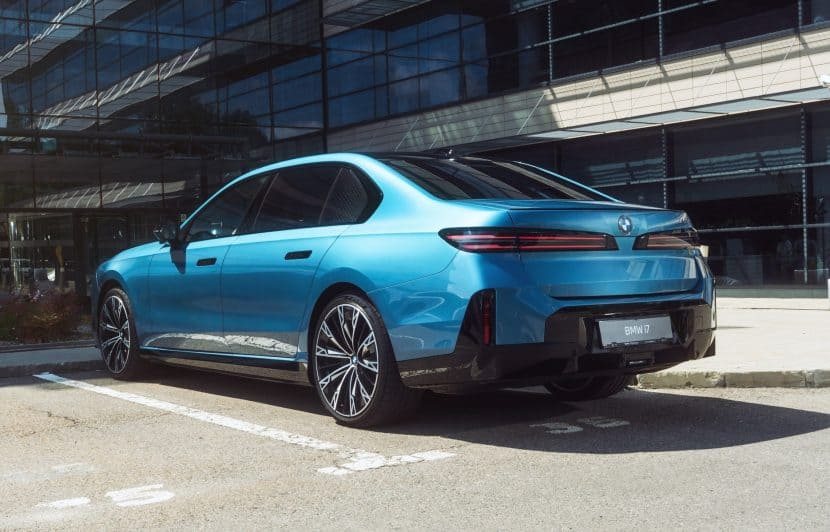
BMW i7 Gets Maldives Blue Individual Finish in Romania
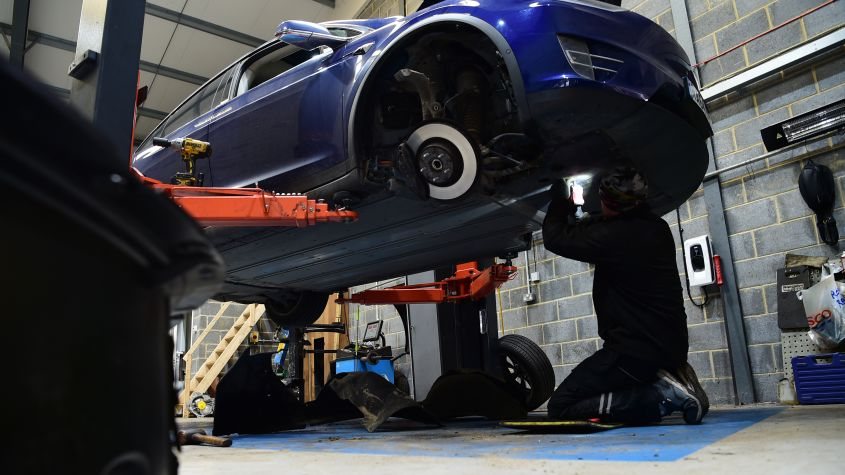
A large-scale UK study finds electric vehicles achieve 25% better MOT pass rates than petrol cars, with the durability gap widening as mileage increases, despite higher tyre wear.
By Charlotte Redford · 4 min read
Electric cars are significantly more reliable than their petrol counterparts, according to a major UK study that found they achieve 25 per cent better MOT pass rates. The research, which examined millions of vehicles, indicates that battery-powered models are less likely to suffer breakdowns over time and remain roadworthy for longer than conventional combustion-engine cars.
The findings challenge long-held assumptions about electric vehicle durability, particularly concerns surrounding battery degradation and mechanical complexity. While EVs do experience higher tyre wear — a consequence of their greater weight and instant torque delivery — the study shows this drawback is far outweighed by their superior overall reliability. As mileage accumulates, the reliability gap between electric and petrol cars actually widens, suggesting that electric powertrains hold up better under sustained use.
The study analysed MOT test results across the UK, providing one of the most comprehensive assessments of vehicle longevity to date. The MOT, Britain's mandatory annual roadworthiness inspection, offers a consistent benchmark for comparing different vehicle types. Electric cars' higher pass rates indicate fewer defects in critical areas such as braking, suspension, steering, and lighting — systems that are often subject to wear and tear in traditional vehicles.
For motorists considering the switch to electric, the results offer reassurance that going green does not mean sacrificing dependability. The data suggests that EV owners may actually spend less time and money on repairs and maintenance over the life of their vehicle. This could prove particularly attractive to high-mileage drivers, such as those in business fleets or long-distance commuters, who stand to benefit most from the durability advantage.
The findings also carry implications for the wider automotive industry and policymakers. As the UK prepares to phase out the sale of new petrol and diesel cars, evidence of superior electric reliability strengthens the case for accelerating the transition. Manufacturers have long faced scepticism about the longevity of EV components, but this large-scale study provides robust data to counter those concerns.
However, the study does not suggest electric cars are without their own maintenance requirements. Tyre wear remains a notable issue, and owners should be prepared for more frequent replacements. Other components unique to EVs, such as battery cooling systems and regenerative braking hardware, also require attention, though the overall failure rates appear lower than those of equivalent petrol models.
The research adds to a growing body of evidence supporting the reliability of electric vehicles. As more EVs reach higher mileages, real-world data continues to accumulate, helping to inform consumer choices and shape industry standards. For now, the message from the MOT data is clear: when it comes to staying on the road, electric cars are leading the way.
3