
Business 209
Renault CEO Tightens Platform-Sharing Rules to Ensure Rival Models Look Distinct
In this issue
Business 209
Renault CEO Tightens Platform-Sharing Rules to Ensure Rival Models Look Distinct
Culture 254
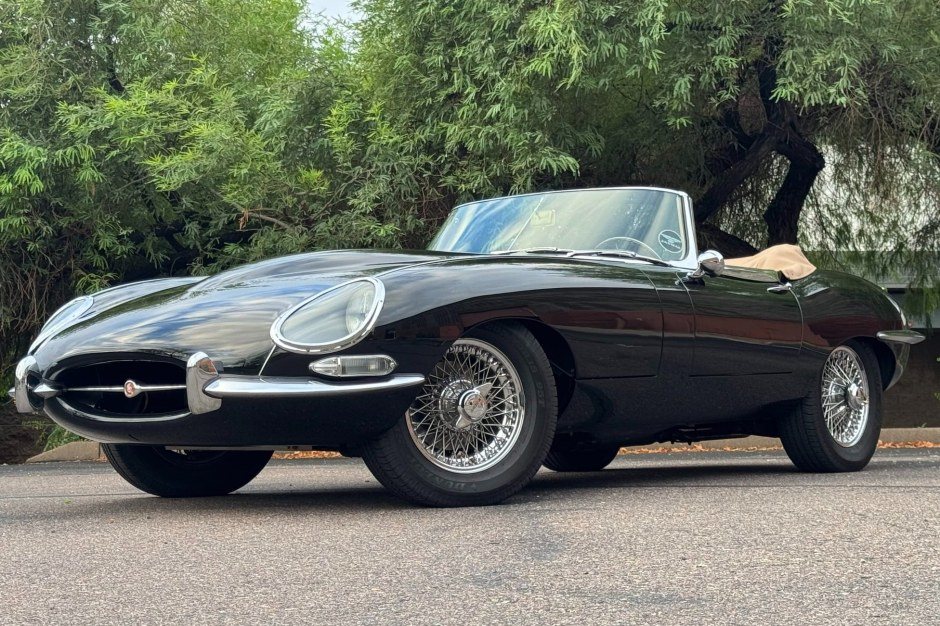
1964 Jaguar XKE Series I Roadster Heads to Auction
Economy 40
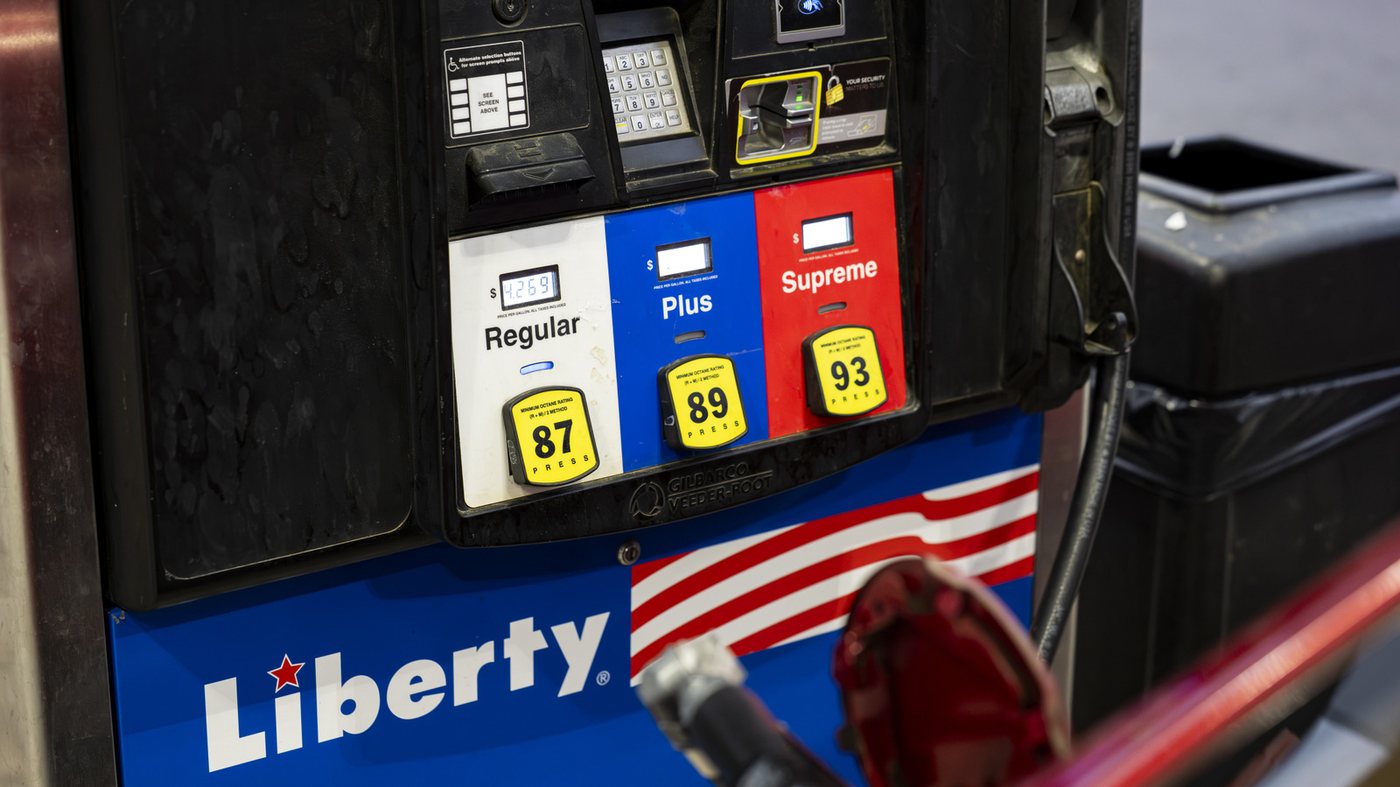
US Petrol Prices Set Record for Longest Stretch Above $4 a Gallon
News 151
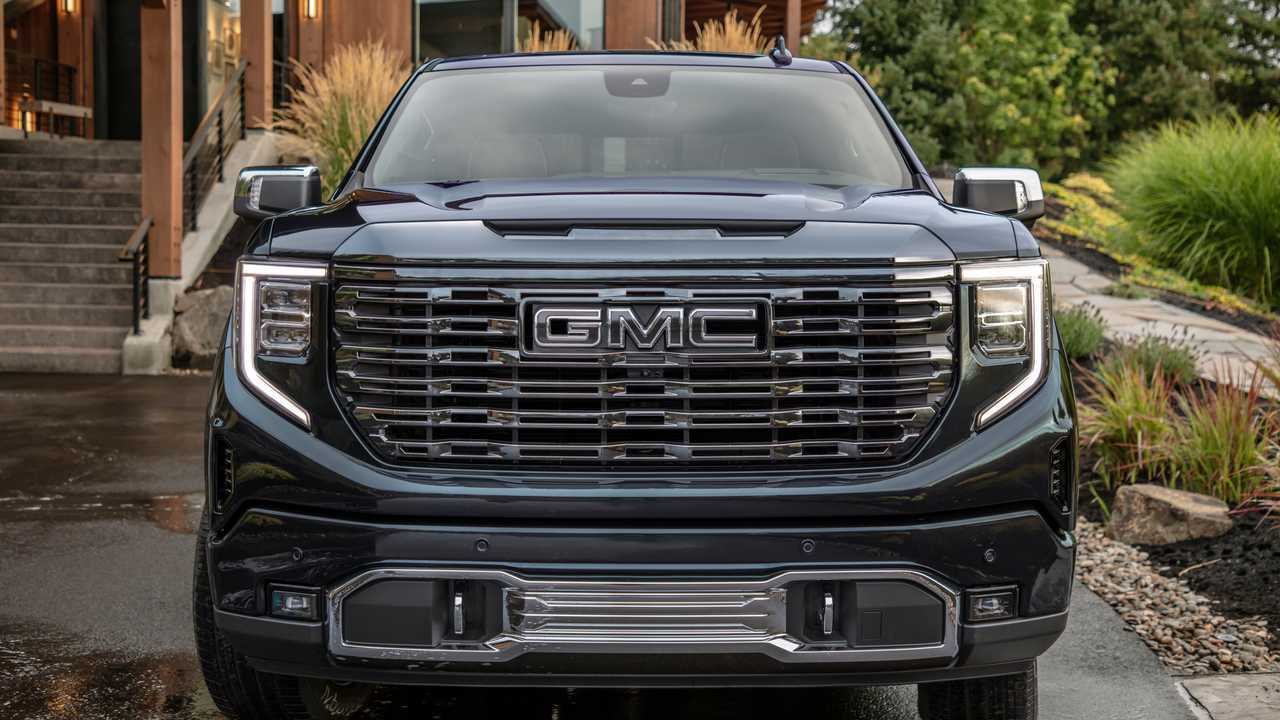
US Safety Agency Investigates 535,000 GMC Sierra Trucks Over Grille Deflector Fau…
Politics 113
Trump Appoints Barbera Thornhill to Lead US Anti-Trafficking Office
Sports 271
Queens Park Rangers to Host Derby County in Championship Clash
Technology 287
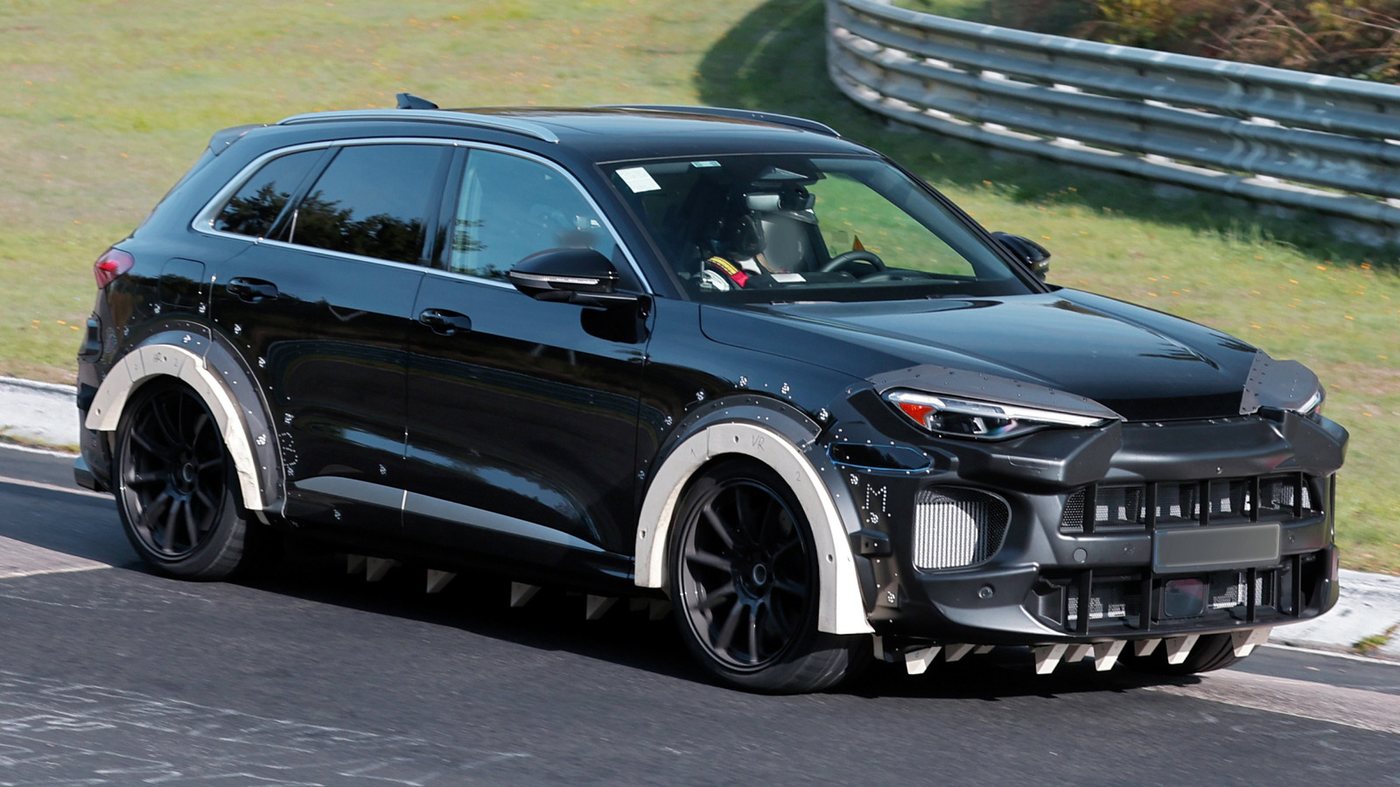
Porsche's Petrol Macan Replacement Spied Testing Under Audi Q5 Body
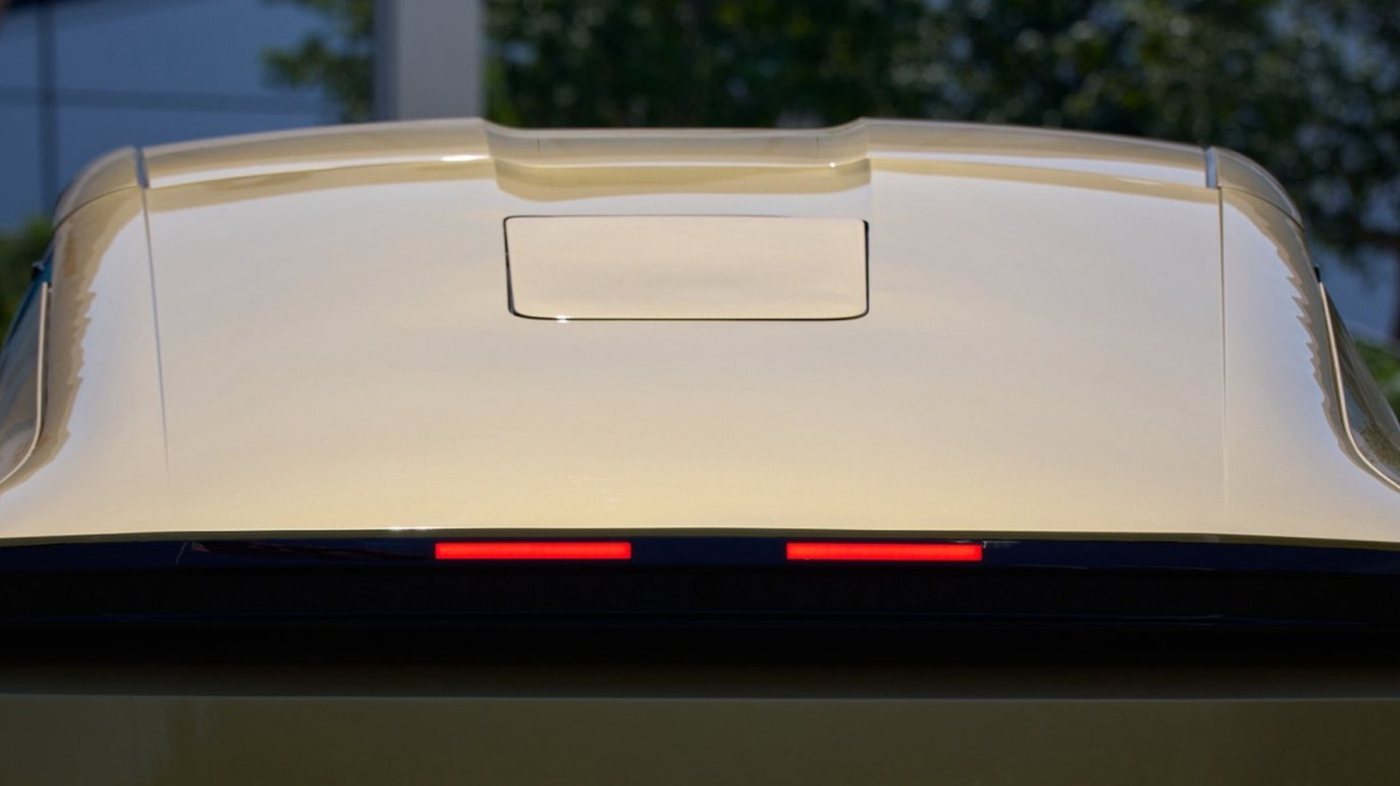
Elon Musk has suggested that all cars will eventually use Starlink satellite connectivity as the sole method of connection, a statement that has raised concerns among industry observers.
By Eleanor Ellington · 3 min read
Elon Musk has suggested that Starlink satellite connectivity will become the only way to connect cars, a statement that has raised eyebrows across the automotive industry. The Tesla and SpaceX chief made the remarks as Starlink hardware has already been spotted on the roof of a Cybercab, Tesla's upcoming robotaxi, signalling that the technology could soon become far more widespread than its current niche applications.
Musk's comments, which frame Starlink as the inevitable standard for vehicle connectivity, have been interpreted by some observers as more of a threat than a promise. Given that Musk controls both Tesla and SpaceX, the parent company of Starlink, the statement raises questions about the future of competition in the automotive connectivity market. If Starlink becomes the default option for cars, it could lock out rival satellite networks and terrestrial cellular providers from a significant segment of the industry.
The prospect of a single owner controlling both the car manufacturer and the connectivity infrastructure has drawn criticism from those who worry about the implications for consumer choice and market fairness. While Starlink offers advantages such as global coverage and the ability to maintain connections in remote areas where traditional networks fail, the idea of it being the only option runs counter to the open-market principles that have guided the development of automotive technology.
Starlink's satellite network has expanded rapidly in recent years, with thousands of satellites now in low Earth orbit providing broadband coverage to subscribers worldwide. The automotive application would represent a natural extension of that infrastructure, potentially enabling features such as over-the-air software updates, real-time navigation data, and vehicle-to-vehicle communication regardless of location. However, the technical and commercial implications of making it the exclusive standard have yet to be fully explored.
Industry analysts note that the integration of satellite connectivity into cars is not a new concept, with several manufacturers having experimented with similar systems in the past. What sets Musk's proposal apart is the scale and the vertical integration involved. Tesla vehicles already rely heavily on software and connectivity for their core functions, and adding Starlink as the backbone would deepen that dependence while extending SpaceX's reach into the consumer automotive market.
The reaction from the wider automotive sector has been cautious. Rival manufacturers are unlikely to embrace a connectivity standard controlled by a competitor, and regulatory bodies may take an interest in whether such a move would constitute an abuse of market dominance. For now, the sight of a Starlink dish on a Cybercab prototype serves as a tangible reminder that Musk's vision for the future of cars extends well beyond electric powertrains and autonomous driving.
60