
Business 202
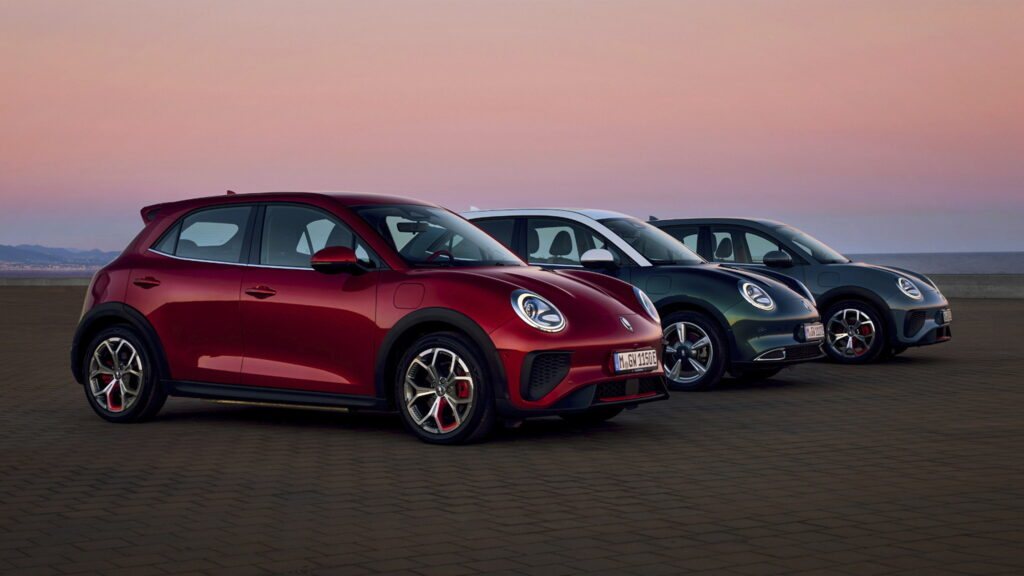
Geely Confirms Canadian Launch for 2027
In this issue
Business 202
Geely Confirms Canadian Launch for 2027
Culture 231
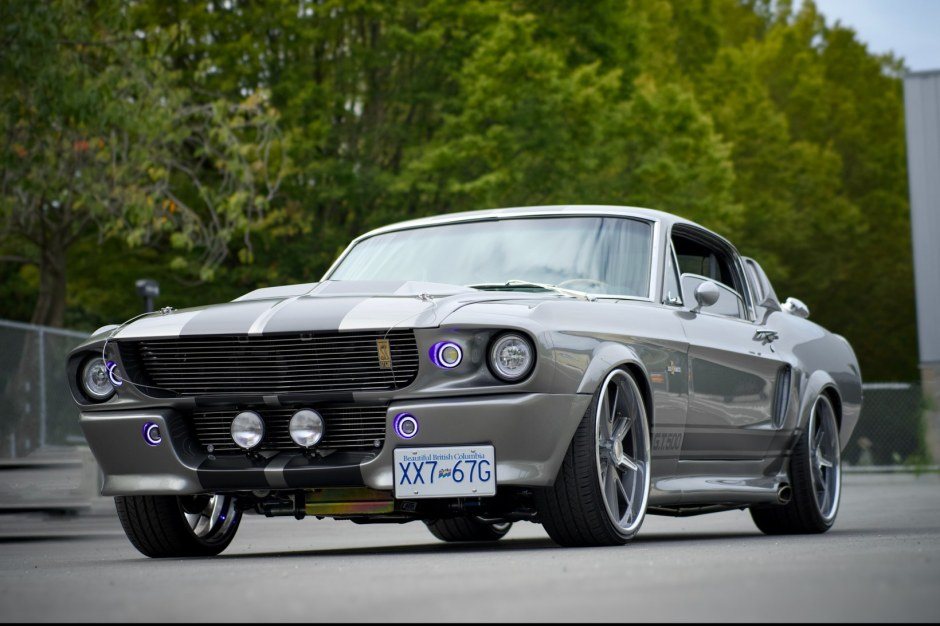
GT500E-Style 1967 Ford Mustang Fastback with 437 Stroker V8 Heads to Auction
Economy 37
Russia's EV Share Overtakes US as Fuel Shortages Bite
News 149
Weekly Exercise Linked to Slower Memory and Movement Decline in Parkinson's Patie…
Politics 111
Trump Names Katie Zacharia as White House Press Secretary
Sports 265
Southampton to Host Portsmouth in Scheduled Fixture on 11 October 2026
Technology 262
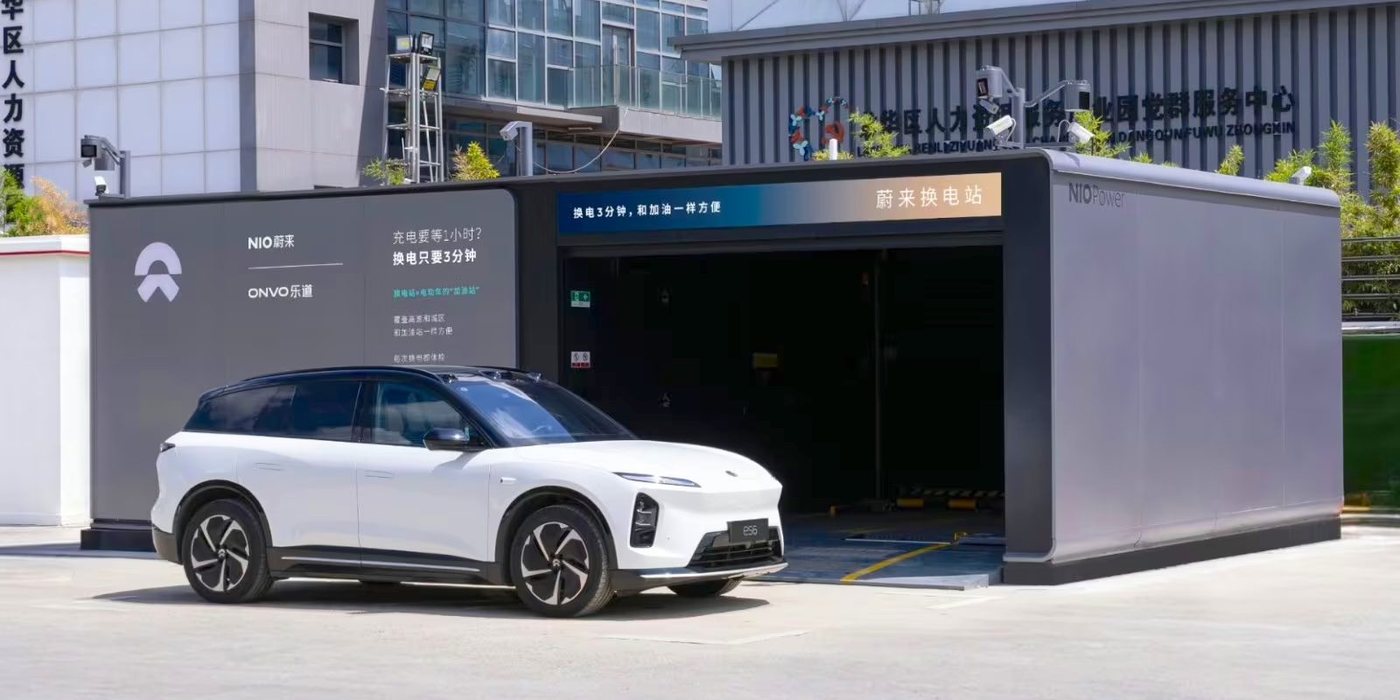
Nio Completes 1.2 Million Battery Swaps in a Single Week
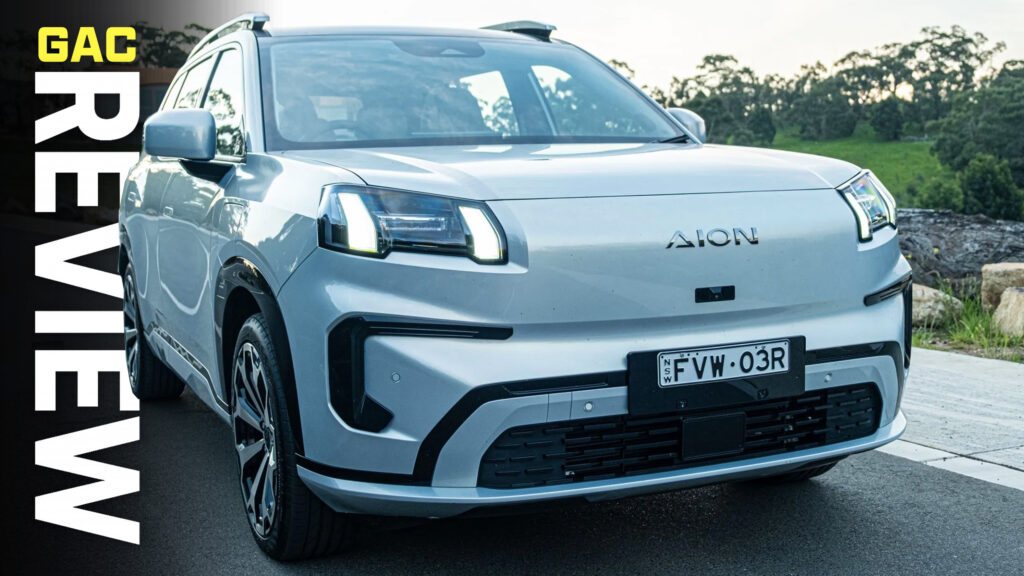
The GAC Aion V electric SUV offers a plush, feature-packed interior and a competitive price, but its unusual design and lack of brand recognition may deter some buyers.
By Eleanor Ellington · 4 min read
The GAC Aion V has arrived in several international markets, including Australia, where it is priced from AU$42,590 (about £22,000) before on-road costs. The top-spec Luxury variant tested here costs AU$44,590 (roughly £23,000), undercutting many established electric SUVs while offering a level of interior quality that rivals vehicles costing tens of thousands more.
On paper, the Aion V promises space and comfort to match a Tesla Model Y, with a more generous equipment list and a significantly lower price. It is built by GAC, one of China’s oldest and largest car manufacturers, and is now in its second generation, having first launched in China in mid-2024. The SUV is underpinned by GAC’s AEP 3.0 platform, which also serves the China-exclusive Toyota bZ3X.
Two versions are sold in Australia: the entry-level Premium and the flagship Luxury. Both come with a 75 kWh lithium iron phosphate battery and a single front-mounted electric motor producing 150 kW (201 hp) and 210 Nm (155 lb-ft) of torque. That is sufficient for a 0-62 mph sprint in 7.9 seconds and an efficiency rating of 14.8 kWh per 100 km. The battery pack is one of several available globally, including a 62 kWh CATL unit, a 64.5 kWh LFP pack, and a 90 kWh NMC battery, but Australian buyers receive only the 75 kWh option.
Where the Aion V surprises is inside. The cabin feels far more premium than its price suggests, with soft-touch materials, two-tone door panels with diamond stitching, and a felt-lined wireless charging pad. The 14.6-inch infotainment display is crisp and responsive, controlling most vehicle functions including climate settings, though a permanent shortcut menu at the bottom of the screen makes temperature and fan adjustments easier than in many rivals. An 8.8-inch digital instrument cluster and a two-spoke steering wheel are standard.
The Luxury trim adds genuine leather seats with massage functions that are unusually effective, delivering a firm, realistic kneading action rather than a faint pulse. Both front seats are heated and ventilated. Between the front seats sits a 6.6-litre fridge that can cool to -15°C or warm to 50°C, a feature rarely seen at this price point. Rear passengers benefit from a spacious second row with ample head and legroom, a fold-out table on the back of the front passenger seat, and a panoramic glass roof with a sliding cover.
Design remains the Aion V’s most divisive aspect. It is boxy and has an unusual stance on the road, lacking the sporty edge of a Tesla Model Y. But that is not necessarily a drawback for buyers prioritising comfort and practicality over driving dynamics. The Aion V is not intended to be a sporty SUV, and it does not pretend to be.
What the Aion V lacks is brand recognition. GAC is little known outside China, and the Aion name will draw blank stares from most passers-by. That may deter buyers who value badge prestige, but for those willing to look past the unfamiliar marque, the Aion V represents exceptional value. It offers a well-equipped, comfortable, and efficient electric SUV for significantly less than many established competitors, backed by a manufacturer with decades of experience.
For British buyers, the Aion V is not yet confirmed for the UK market, but its Australian pricing and specification suggest that if it does arrive, it could undercut mainstream electric SUVs by a considerable margin. The question is whether British motorists are ready to embrace a Chinese brand with an odd name and even odder styling in exchange for a genuinely premium interior and a sub-£25,000 price tag.
4