Business 321
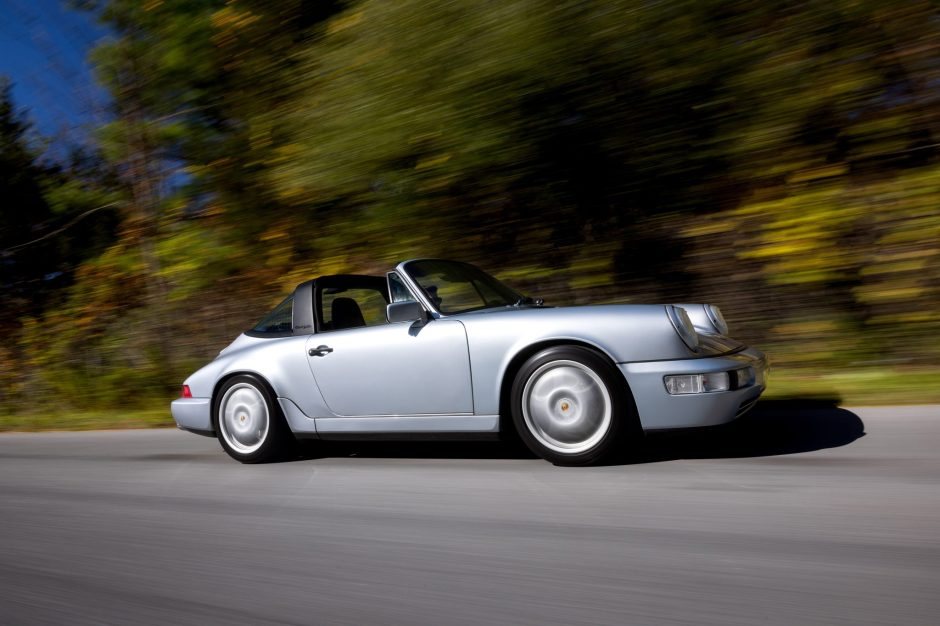
Clean 1991 Porsche 911 Carrera 2 Targa offered with 73,000 miles and recent work
In this issue
Business 321
Clean 1991 Porsche 911 Carrera 2 Targa offered with 73,000 miles and recent work
Culture 345
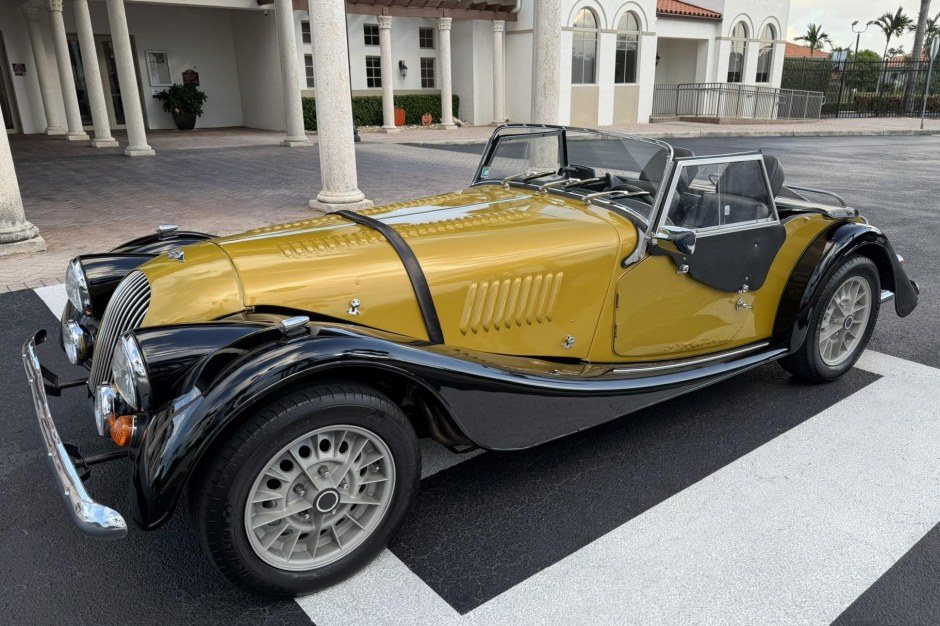
Original-owner 1976 Morgan Plus 8 offered with rebuilt V8 and period paperwork
Economy 48
Three Tankers Reportedly Strike Mines in Strait of Hormuz
News 163
Esquire Italia Data Ranks One Italian Province as Most Exposed to Crime
Politics 121
Burnham denies stopping ministers from discussing closer EU ties
Sports 296
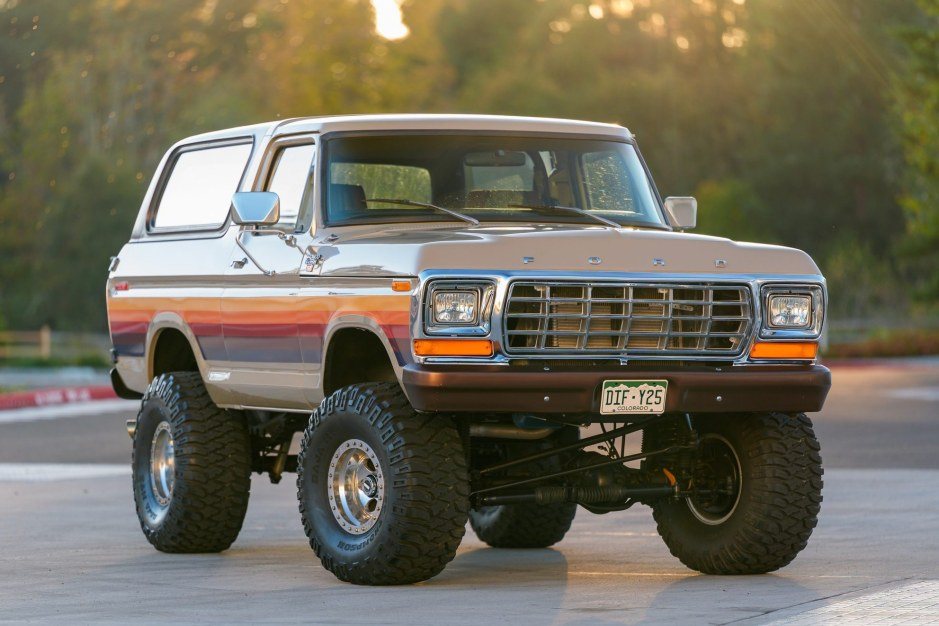
Modified 1978 Ford Bronco with 460 V8 heads to auction without reserve
Technology 355
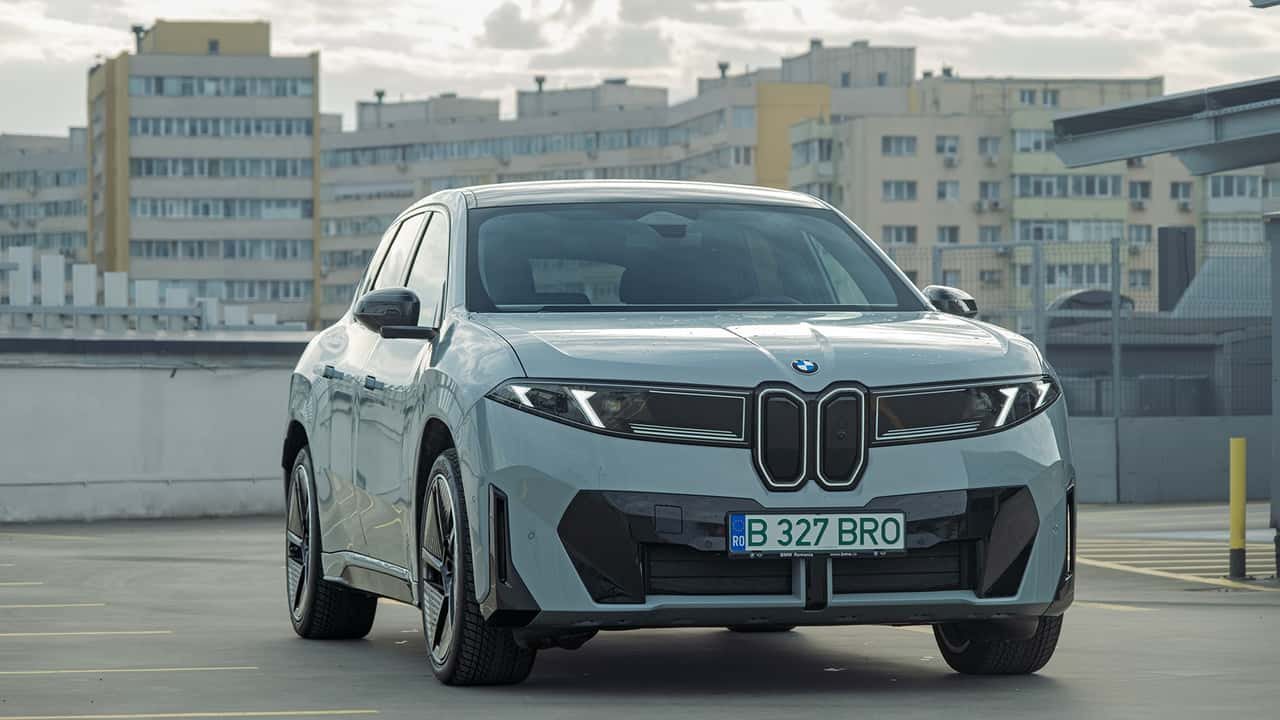
BMW iX3 electric SUV tested against petrol X3 for driving range
A reviewer parks MG's IM5 alongside a pre-facelift Tesla Model 3 Performance to judge how closely the Chinese electric saloon matches its American rival in design, cabin technology and usability.
By Charlotte Redford · 3 min read
MG's IM5 electric saloon has drawn frequent comparisons with the Tesla Model 3, and a direct test in the driveway suggests the resemblance runs deep but not all the way. Parked tail to tail with a pre-facelift Model 3 Performance, the two cars share a teardrop, cab-backward roofline that sweeps neatly to the bootlid. Each, however, retains a distinct identity.
The IM5 is the larger of the pair, with a much bigger footprint and a longer wheelbase that places it above the Tesla. That positions it as a closer rival to the Volkswagen ID 7 or the BMW i5 rather than the more compact Model 3. Its aesthetic was overseen by Slovakian designer Jozef Kaban, a former Skoda and BMW studio chief who also styled the Bugatti Veyron. The rear of the car draws a comparison to the Aston Martin DBX, and even its rear light bar bears a similarity to that of Gaydon's hot SUV.
Design differences emerge on closer inspection. The Model 3 has a more defined look thanks to sharper swage lines, whereas the IM5 opts for softer surfaces and a smoother beltline, which is what most distinguishes it visually. Both cars use flush-fitting electronic door handles. The reviewer found the IM5's arrangement especially frustrating: rather than pulling a handle, the driver slides a hand behind it and the door pops open automatically. The Tesla's handles feel more natural, though both cars would benefit from a conventional pull mechanism.
Inside, the two cars take a similar approach to technology. The IM5 has side-facing cameras that differ in design from the Model 3's but serve much the same purpose, providing a 360-degree view of the car to help the driver. The MG also adopts a button-less, screen-heavy layout. It features a 26.3in display combining the digital instrument display and infotainment screen, alongside a 10.5in touch-operated control panel for switching between functions. The Tesla relies on a single 15in display.
The reviewer was not convinced the MG is any slicker to use than the Tesla. The Chinese car's screens are responsive and sharp, but there are too many sub-menus to navigate, and the cabin contains just 11 physical buttons. Usability therefore suffers, although the IM5 feels more refined and upmarket than its rival. The current Model 3 has, in turn, moved ahead of its predecessor on perceived quality. The reviewer concluded that while the IM5 leans heavily on the minimalist approach pioneered by the Model 3, its bolder proportions, softer lines and greater refinement give it a character of its own in a crowded segment.
Source: autocar.co.uk
9