Business 189
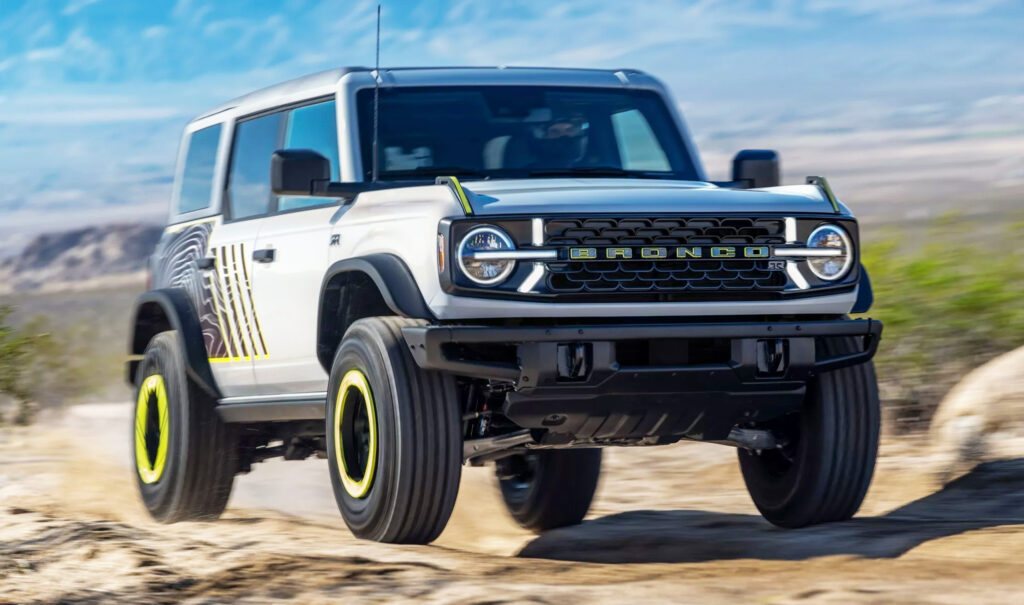
Ford Bronco RTR Launches From $50,790 With 300bhp Turbo Four
In this issue
Business 189
Ford Bronco RTR Launches From $50,790 With 300bhp Turbo Four
Culture 212
Léa Seydoux Says Next James Bond Must Be 'Layered'
Economy 36
G7 Agrees to Release 100 Million Barrels of Diesel and Crude Oil to Ease Price Su…
News 145
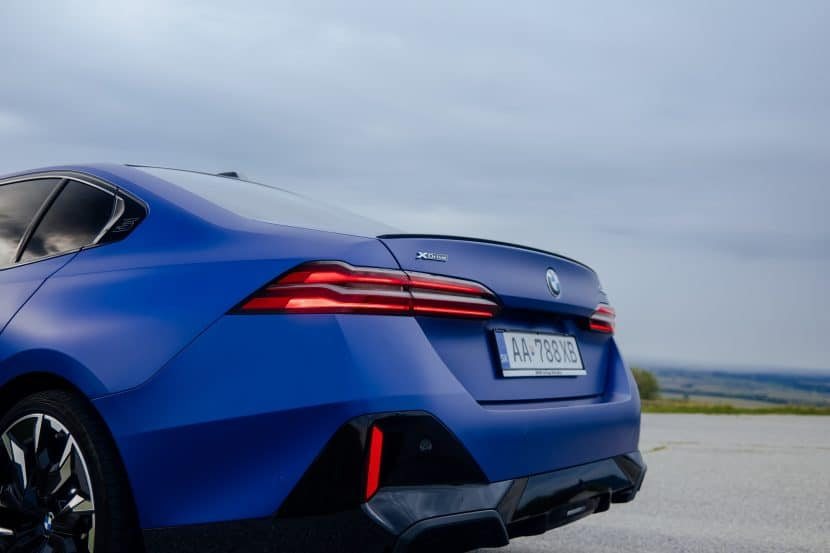
NSW Police Trials BMW 540d as Highway Patrol Car
Politics 110
Trump Urges Republicans to Vote by Mail After Years of Criticising the Practice
Sports 260
Falcons thrash Saints 45-24 as New Orleans marks 20 years since Katrina return
Technology 233
Belgian Road Safety Group Finds Tesla FSD Speeding and Passing Cyclists Illegally
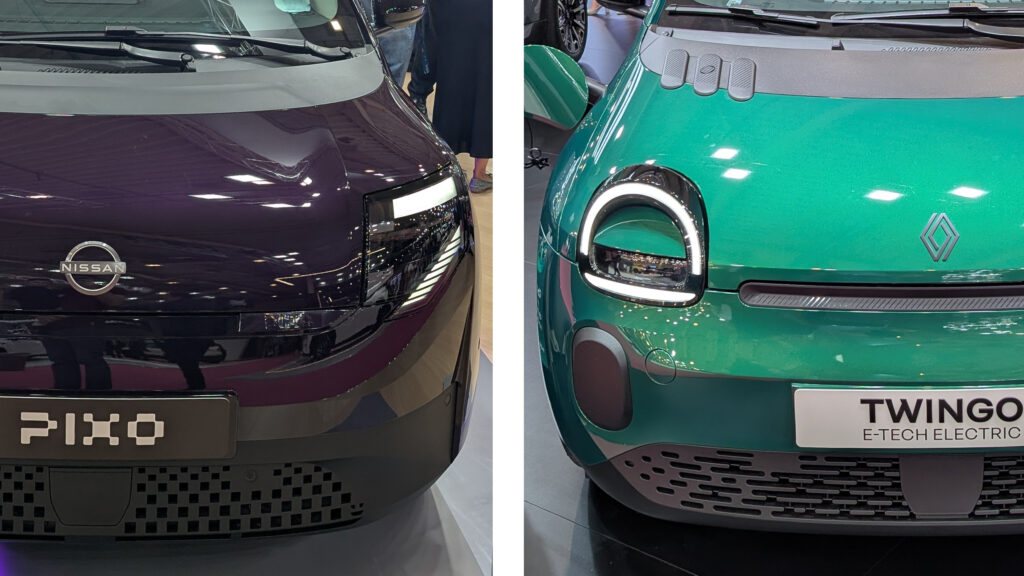
Nissan's new Pixo shares its platform, battery and powertrain with the Renault Twingo E-Tech, but adopts pixelated styling to stand apart from its French twin as both target budget urban EV buyers.
By Eleanor Ellington · 4 min read
Nissan has unveiled the Pixo, a new sub-€20,000 electric city car that shares its underpinnings with the Renault Twingo E-Tech but adopts a distinctly different visual identity. The two hatchbacks, built alongside the new Dacia Spring EV at the Novo Mesto plant in Slovenia, represent a coordinated push by the Renault-Nissan alliance into Europe's rapidly expanding affordable electric vehicle segment.
The Pixo and Twingo share an 81 hp front-mounted electric motor and a 27.5 kWh lithium iron phosphate battery pack, delivering 161 miles of WLTP range and 50 kW DC charging capability. Both ride on the AmpR Small architecture with a 2,492 mm wheelbase, and both offer a seven-inch digital instrument cluster and a ten-inch infotainment display with Google built in.
Where the two cars diverge is in their exterior design. The Twingo's retro-inspired, frog-eyed face has been replaced on the Pixo with a more upright nose, requiring new mouldings for the bumper, hood and front fenders. Squared-off headlights with pixelated LED graphics flank a grille-less front end, while rectangular plastic cladding surrounds the lower bumper intake. A simple access cover on the hood replaces the Twingo's triple-slot design.
The restyled bumpers account for a slight size difference: the Nissan measures 3,796 mm, seven millimetres longer than its French sibling. At the rear, the rebadging is more apparent despite Nissan's efforts, which include references to the K12-generation Micra from 2002. The Twingo's distinctive rear glass remains difficult to disguise, though the plastic garnish around it carries textured details and Pixo lettering. Squared-off taillights mirror the front styling and integrate a smiley face into their clusters, joined by a Nissan-specific tailgate and rear bumper.
Inside, the two cars are largely identical, with differences limited to trim pieces and Easter eggs. The Twingo offers more colourful accents on the door cards and dashboard, while the Pixo focuses on garnish around the climate vents. Both share all physical controls, switches, stalks and storage solutions.
Despite their compact footprint, the interiors are spacious. The rear seats slide by 170 mm and can recline and fold, providing ample legroom. Cargo capacity is rated at up to 360 litres in the Renault and 356 litres in the Nissan, with a further 19 and 18 litres of in-cabin storage respectively.
Pricing for the Pixo has not been announced, but it is expected to sit close to the Twingo E-Tech, which starts from €19,490 in Greece. That figure can fall to €14,990 when a €3,000 state subsidy and a €1,500 scrappage bonus are applied. Both models were designed for European and UK markets and will compete with budget-friendly rivals including the Leapmotor T03, the BYD Dolphin Surf, and the upcoming Volkswagen ID. Up! and Kia EV1. A future Citroen 2CV revival, expected to comply with upcoming European e-car regulations, could prove an even cheaper threat.
The Pixo's arrival underscores the pressure on European automakers to respond to Chinese imports with affordable, locally built electric vehicles. By sharing development costs across the Renault-Nissan alliance while differentiating styling, the two brands hope to capture distinct slices of the growing urban EV market. Whether Nissan's pixelated aesthetic can rival the Twingo's nostalgic charm will become clearer when pricing and specifications are confirmed closer to launch.
4