
Business 110
Dacia CEO Urges EU to Freeze Small Car Rules to Cut Prices
In this issue
Business 110
Dacia CEO Urges EU to Freeze Small Car Rules to Cut Prices
Culture 89
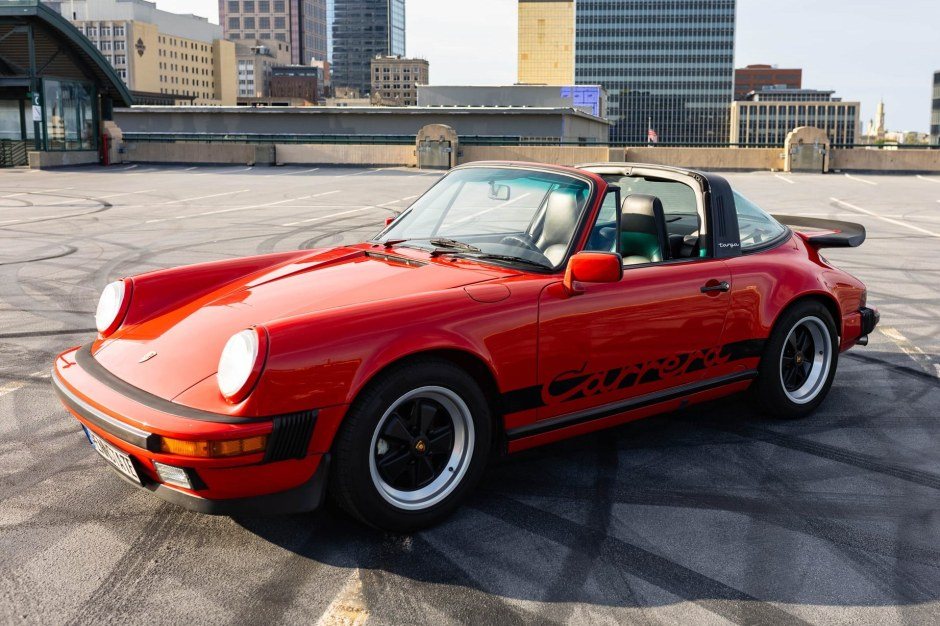
1988 Porsche 911 Carrera Targa G50 with Rebuilt Engine Heads to Auction
Economy 30
HMRC is writing to low earners about pension top-ups averaging about £70
News 124
Aftermarket Trackers Recover 99% of Stolen Cars as Factory Systems Fail
Politics 104
Met police open inquiry into alleged foreign donations to Reform UK
Sports 231
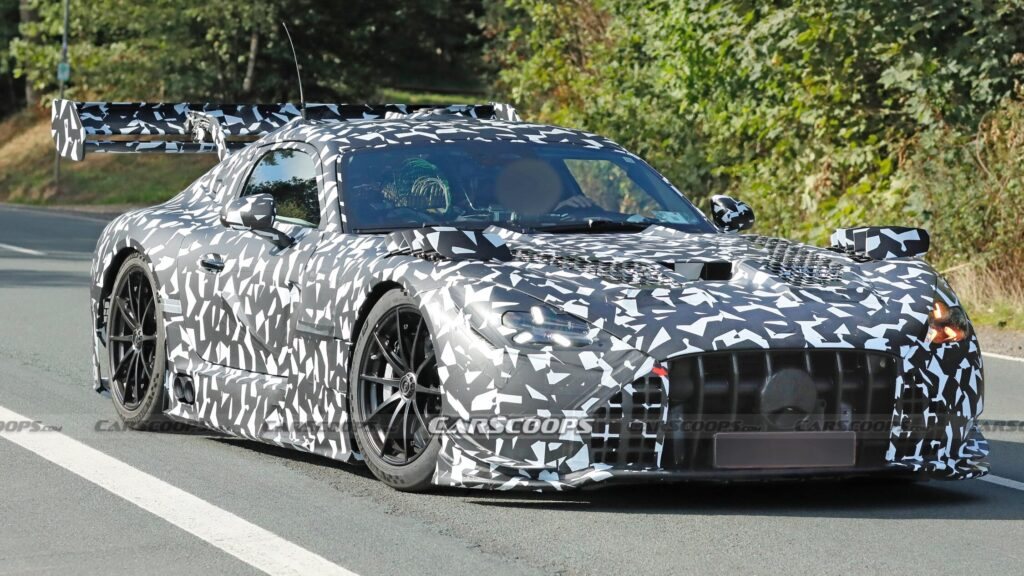
AMG GT Black Series Spied With Radical Aero Ahead of Nürburgring Record Attempt
Technology 116
BMW Confirms Next 3 Series Will Retain Plug-In Hybrid Power
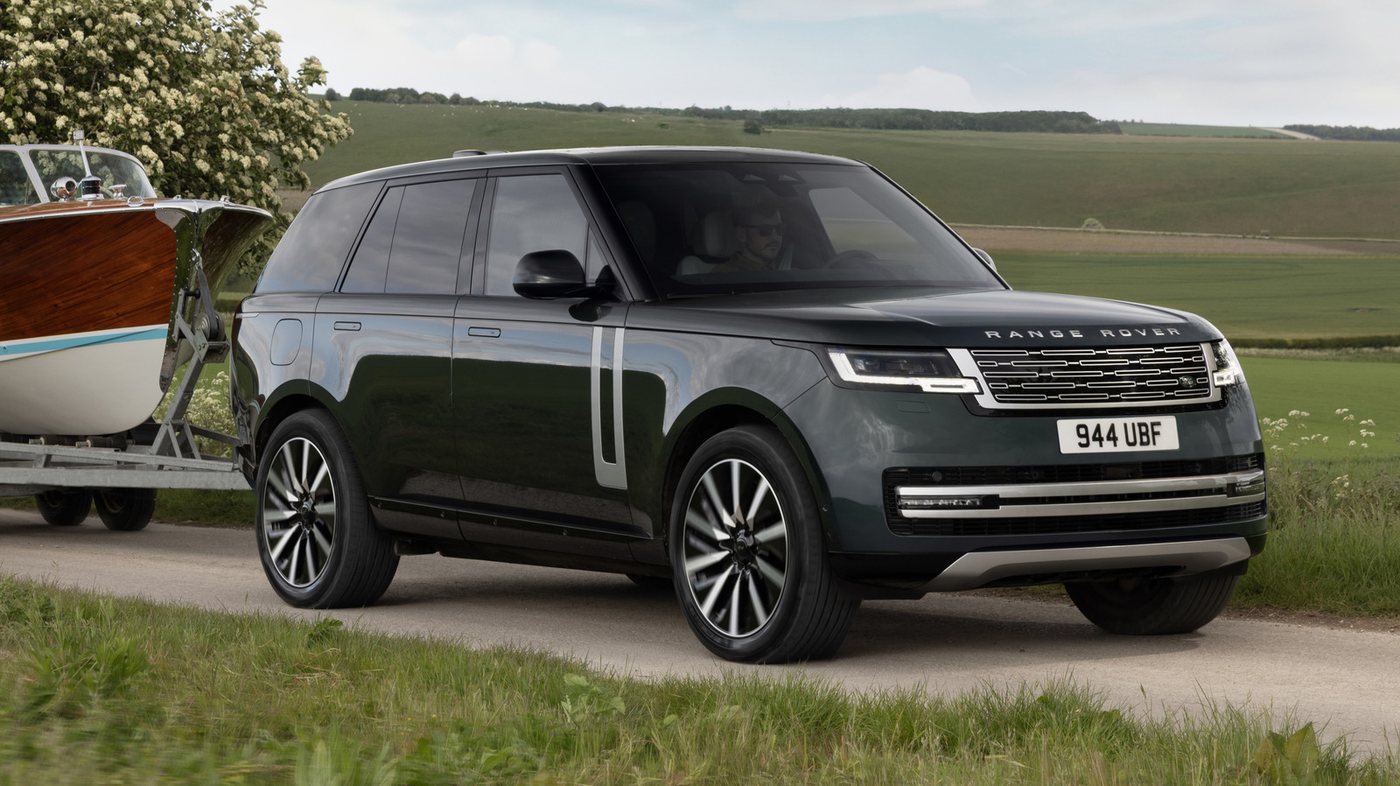
Land Rover has unveiled the long-awaited Range Rover Electric, five years after the model was first announced. The EV produces 542 hp, offers a 333-mile range, supports 350-kW fast charging, and retains the familiar design of its combustion-engined siblings.
By Eleanor Ellington · 4 min read
Land Rover has finally taken the wraps off the Range Rover Electric, the model first announced five years ago. The all-electric flagship produces 542 hp, delivers a 333-mile range, and supports 350-kW fast charging, while retaining the boxy, upright silhouette that has defined the nameplate for more than half a century.
The new EV is visually identical to the petrol and diesel versions of the current Range Rover, a deliberate choice by the manufacturer to reassure buyers that electrification does not mean a departure from the model's established character. Early driving impressions from journalists who have tested the car off-road describe it as exceptional, with the electric drivetrain offering precise torque control that suits low-speed crawling and steep descents.
JLR, the parent company, has equipped the Range Rover Electric with a suite of off-road technology designed to maintain the vehicle's reputation as a go-anywhere luxury SUV. The battery pack is integrated into the platform that has underpinned the current generation of Range Rover models since 2021, a structure that has already proven its worth across thousands of combustion-engined examples.
The launch comes at a delicate moment for the luxury EV market. Around a year ago, JLR claimed to have taken 60,000 expressions of interest for the model, a figure that suggested a waiting list equivalent to roughly three years of production for the regular car. Since then, however, the global appetite for high-end electric vehicles has cooled sharply. Lamborghini and Aston Martin have delayed their debut EVs, Lotus is fitting its Eletre SUV with a petrol engine, and Porsche is developing another generation of combustion-powered Cayenne.
Despite the shifting market, analysts see reasons for optimism. The Range Rover Electric does not replace an existing model but rather adds a new powertrain option to the line-up, which reduces the commercial pressure to sell in huge volumes from day one. The car also benefits from a platform that has already paid for its development costs, easing the financial burden compared with a bespoke EV architecture.
There is also evidence that certain types of vehicles suit battery power particularly well. The Rolls-Royce Spectre has become that brand's second-best-selling model, proof that buyers of ultra-luxury cars are willing to embrace electric propulsion when the package delivers the refinement and composure expected at that price point. The Range Rover, with its quiet cabin and emphasis on smooth, controlled progress, sits firmly in that camp.
JLR will need to keep the car competitive as rivals catch up, but the first-mover advantage is clear. In a segment that remains thinly populated, the Range Rover Electric has the specifications, the prestige, and the brand heritage to make a substantial impact. The company has not disclosed pricing for the UK market, though the combustion-engined Range Rover starts at around £100,000 and the electric version is expected to command a premium.