Business 194
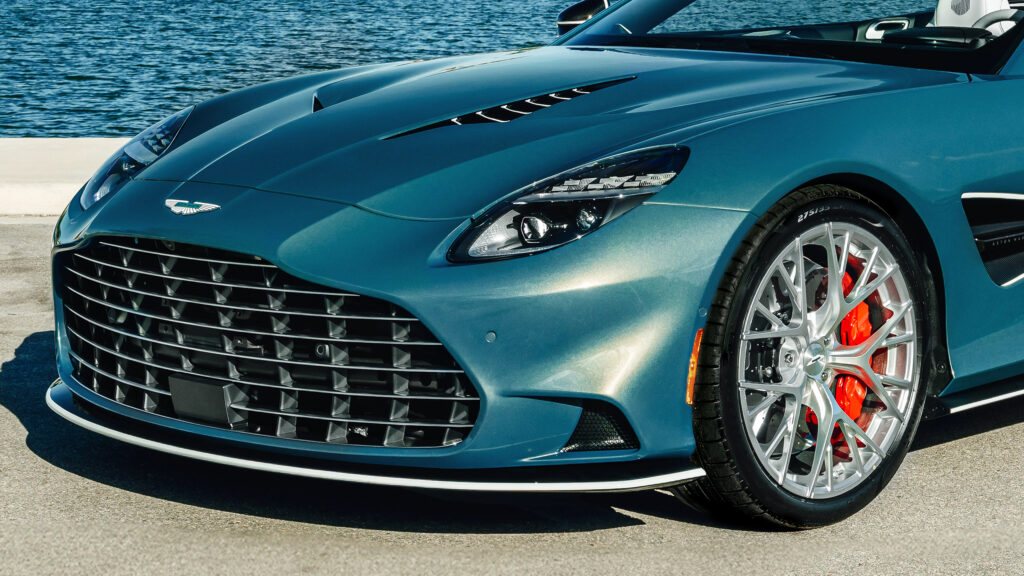
Aston Martin Delays First EV Until 2033, Keeps V8 and V12 Alive
In this issue
Business 194
Aston Martin Delays First EV Until 2033, Keeps V8 and V12 Alive
Culture 214
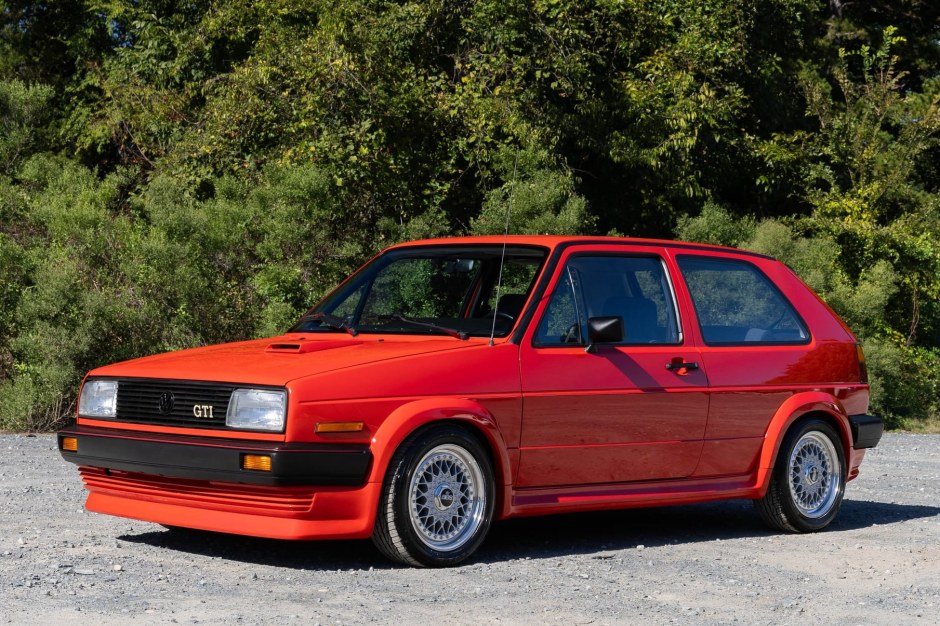
Callaway Turbocharged 1985 Volkswagen GTI with BBS Body Kit Listed at No Reserve
Economy 37
Russia's EV Share Overtakes US as Fuel Shortages Bite
News 148
California Grants Three-Day Return Right on Used Cars
Politics 110
Trump Urges Republicans to Vote by Mail After Years of Criticising the Practice
Sports 261
Mustang Sets Stick-Shift Record Then Crashes at 228 MPH
Technology 242
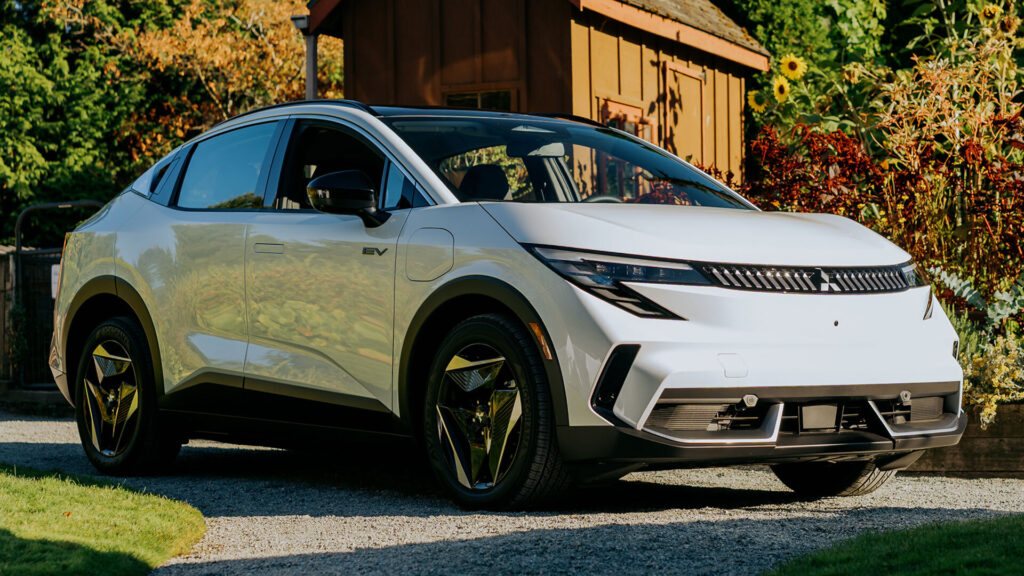
Mitsubishi Eclipse Sportback EV Priced From $37,745, Undercutting Nissan Leaf On …
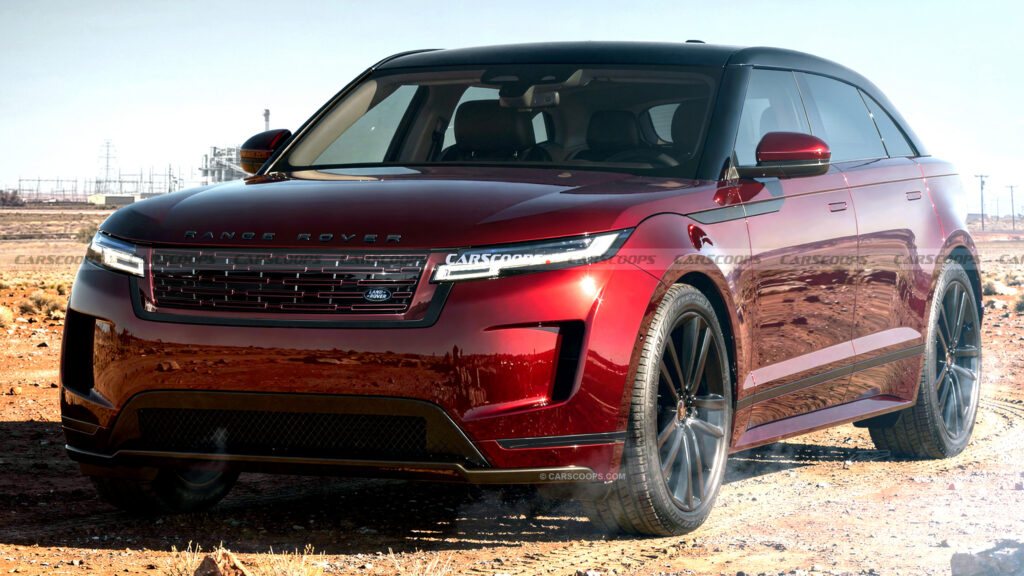
Range Rover's fifth model, the GT, is an all-electric off-road tourer with a sedan-like top and SUV stance. It launches on the EMA platform with an 800-volt system, targeting rivals like the Porsche Cayenne Electric and Lotus Eletre, with production at Halewood later this year.
By George Kensington · 4 min read
Range Rover is preparing to expand its lineup with a fifth model, the GT, an all-electric off-road tourer that blends a sedan-like top with SUV pretensions. The new vehicle, which has been rendered in unofficial illustrations based on official camouflaged prototypes, is expected to divide opinion when it is fully revealed in the coming months.
The GT slots alongside the Evoque, Velar, Sport, and flagship Range Rover, but it is not a direct replacement for the Velar, as some reports had suggested. Instead, it leans into the more opulent, soft-road side of the brand, adopting a near sedan-coupe format that sits halfway between a crossover and a fastback sedan. The design features a broad, shallow interpretation of Range Rover's familiar grille, ultra-slim LED headlamps, and vertical outer intakes that give it a performance-oriented stance. In profile, the car retains the lower visual bulk of other models in the lineup but livens things up with a swept-back glasshouse, frameless windows, and a contrasting roof. At the rear, slim taillights merge with a gloss-black panel featuring spaced Range Rover lettering, and the dynamic look is finished with a steeply raked tailgate.
Inside, Range Rover has already provided a glimpse of a minimalist 2+2 cabin with class-leading rear occupant space. The aesthetic is very much in the Polestar playbook, with horizontal lines and a heavy use of woven textures, which could upset those used to the usual swaths of leather, wood, and chrome. Front-seat occupants are greeted by a single central OLED touchscreen and a slim driver's instrument cluster. Interestingly, its two-spoke steering wheel and stripped-back architecture echoes that of Jaguar's all-new Type 01, although Range Rover takes a less radical approach. Expect expansive digital functionality with AI assistance, terrain-response off-road goodies, and augmented-reality navigation.
Underpinned by the automaker's new Electric Modular Architecture (EMA) platform, the GT will be all-electric from launch, although it could come in a hybrid format later. Questions remain over powertrain specifications, but based on shared prototype images, the driving range is expected to be around 288 miles (463 km) at 80 per cent charge, which roughly translates to 360 miles on a full charge. An 800-volt system with a 100-120 kWh battery and peak DC charging up to 350 kW is anticipated. Dual-motor, all-wheel drive is expected to be standard fare, though a tri-motor setup with the full 1000 hp of Jaguar's Type 01 is unlikely.
Positioning should put the GT into unexplored territory, facing everything from the Porsche Cayenne Electric, Porsche Taycan Cross Turismo, and Lotus Eletre, to potentially overlapping with the Jaguar Type 01. Final testing is already underway, with production commencing later this year at JLR's Halewood factory in Merseyside, England. An official reveal will take place in the coming months, and while it may not cause the sort of uproar that greeted JLR's upcoming Jaguar Type 01, nobody at Gaydon is expecting a unanimous verdict on this one either.
54