
Business 110
Dacia CEO Urges EU to Freeze Small Car Rules to Cut Prices
In this issue
Business 110
Dacia CEO Urges EU to Freeze Small Car Rules to Cut Prices
Culture 89
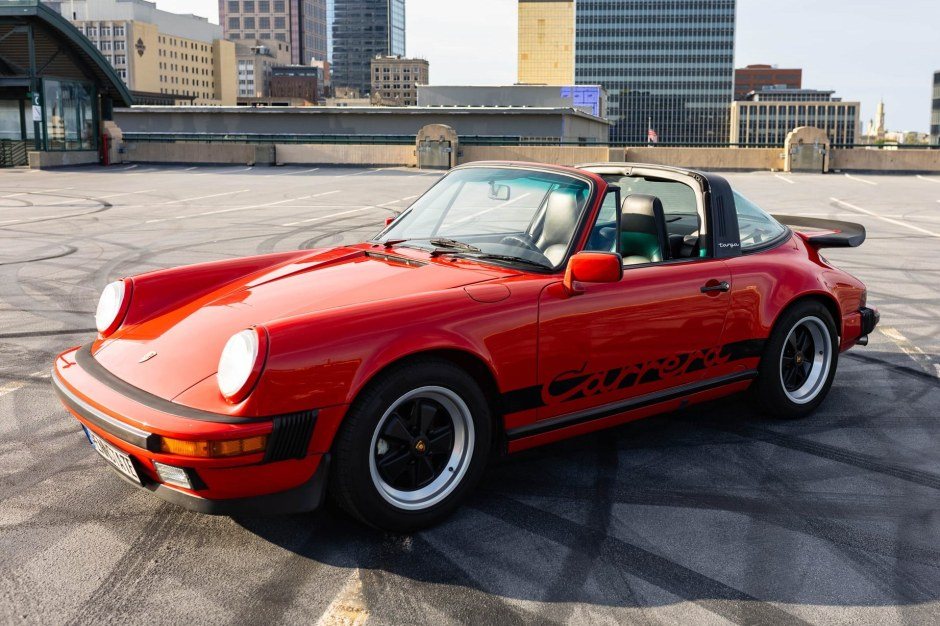
1988 Porsche 911 Carrera Targa G50 with Rebuilt Engine Heads to Auction
Economy 30
HMRC is writing to low earners about pension top-ups averaging about £70
News 124
Aftermarket Trackers Recover 99% of Stolen Cars as Factory Systems Fail
Politics 104
Met police open inquiry into alleged foreign donations to Reform UK
Sports 231
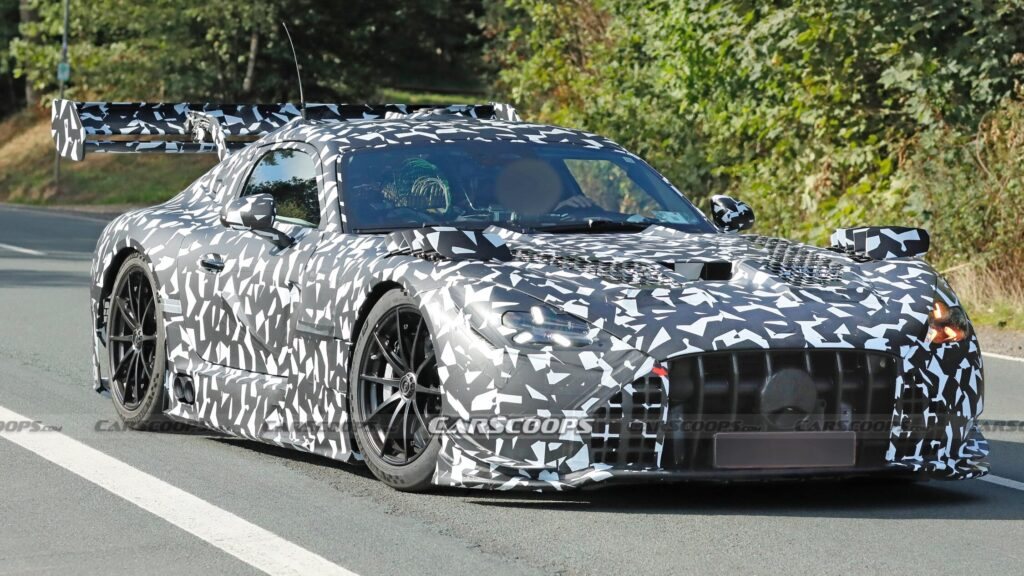
AMG GT Black Series Spied With Radical Aero Ahead of Nürburgring Record Attempt
Technology 116
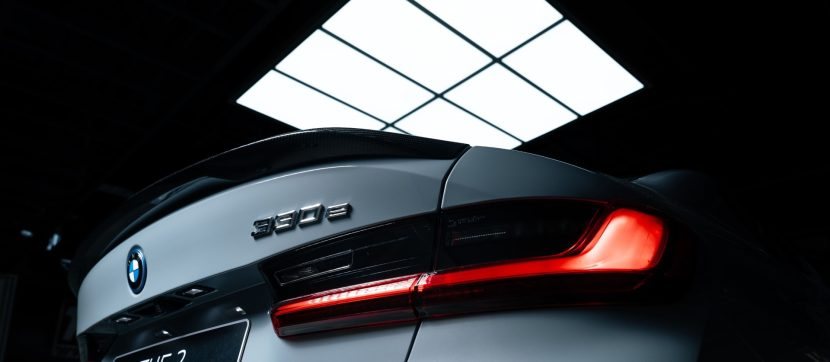
BMW Confirms Next 3 Series Will Retain Plug-In Hybrid Power
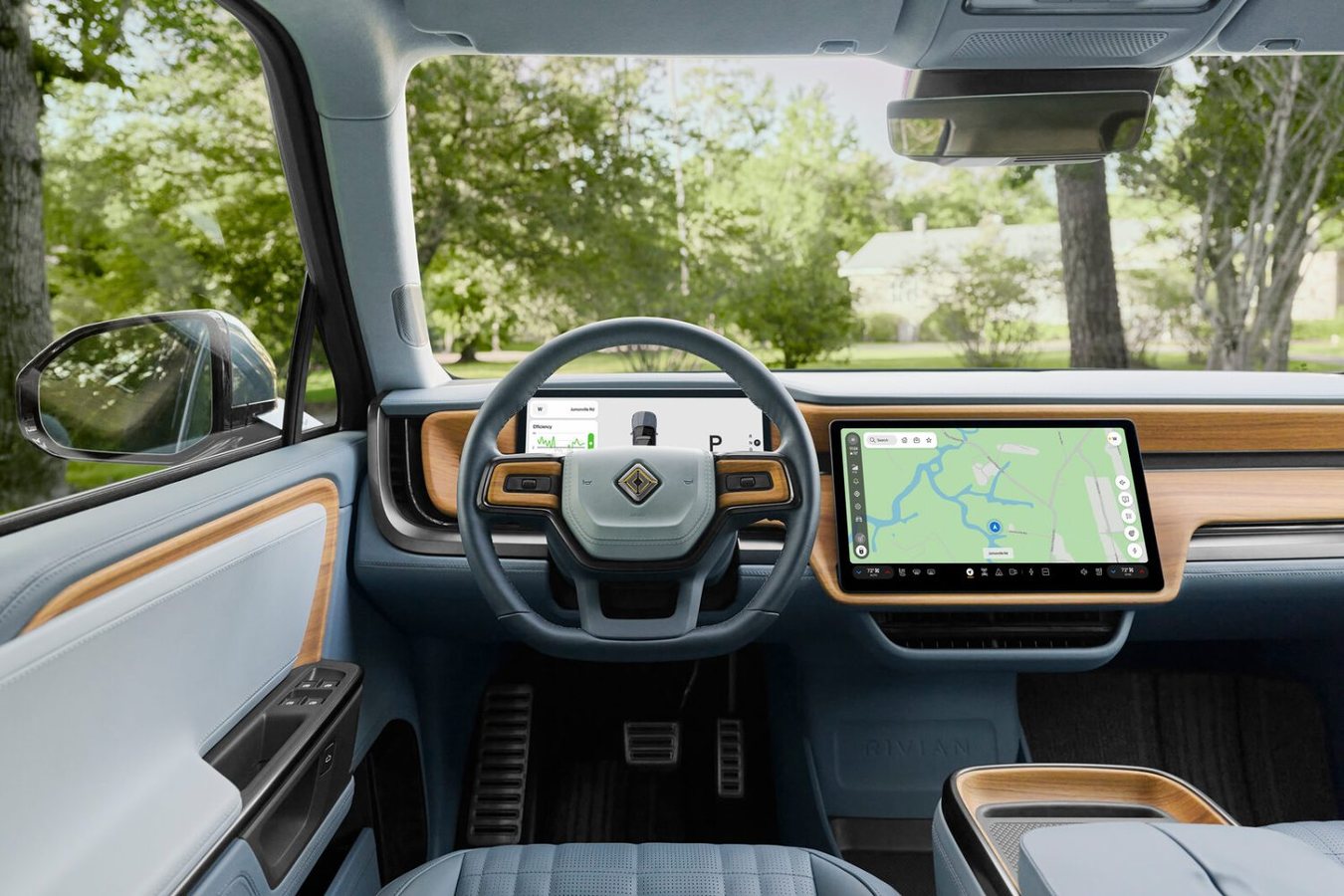
Rivian has begun rolling out RivianOS 2, its largest in-car software overhaul since the R1 first shipped, unifying the R1 and R2 lineups on a single software stack with a rebuilt interface and new AI features.
By Eleanor Ellington · 4 min read
Rivian has begun rolling out RivianOS 2, the biggest overhaul of its in-car software since the R1 first shipped, and for the first time it places every vehicle the company sells on a single software stack. The update, version 2026.31, started reaching eligible R1 and R2 vehicles this week, bringing a rebuilt interface, new graphics, real-time navigation alerts and a deeper AI layer the company calls Unified Intelligence.
The most significant change is that even first-generation R1T and R1S models receive the new operating system, putting them onto the same underlying software platform as the newer R2. Rivian says it is not leaving early adopters behind, and the move demonstrates how over-the-air updates can improve vehicles years after purchase. Both first- and second-generation R1 vehicles get the new system, though hardware differences mean some features are handled differently depending on the vehicle's computing power.
The interface has been redesigned with configurable quick controls and a media player that can be positioned on either side of the centre display. There is also a new vertical status bar and a substantially reworked settings menu with universal search and context-sensitive controls. Graphics receive an overhaul as well, although this is where hardware differences start to matter. Second-generation R1s and the R2 use Unreal Engine 5 for real-time 3D vehicle and surroundings visualisations, while first-generation R1s stick with Unreal Engine 4, which Rivian says allows it to maintain responsiveness on the older display hardware.
Beyond the visual changes, the update integrates Google Maps information about police presence and speed cameras directly into the navigation system. That information can come from local authorities and third-party sources, along with real-time reports submitted through Google Maps and Waze. Connect+ subscribers gain additional benefits, including a dedicated weather app with current conditions, air-quality information and a 10-day forecast. Subscribers can also create, view and modify active vehicle trips through the Rivian mobile app.
Underneath all of this is what Rivian calls its Unified Intelligence platform. Second-generation R1s and R2s have enough onboard computing power for more local processing, while both generations of R1 receive expanded cloud-assisted voice functionality and refreshed driver-display layouts. Privacy controls have not disappeared in the AI shuffle either. Rivian says owners can disable hotword wake-word functionality, restrict location sharing and change driver-profile data settings.
Perhaps the most notable aspect of the update is not any individual feature but the fact that a first-generation R1 is getting essentially the same software design language as a brand-new R2. That is exactly what over-the-air updates were supposed to make possible, and it represents a more substantial improvement than an update that merely moves a few icons around. The 2026.31 update is rolling out now to eligible R1 and R2 vehicles, though Rivian says availability can vary by vehicle.