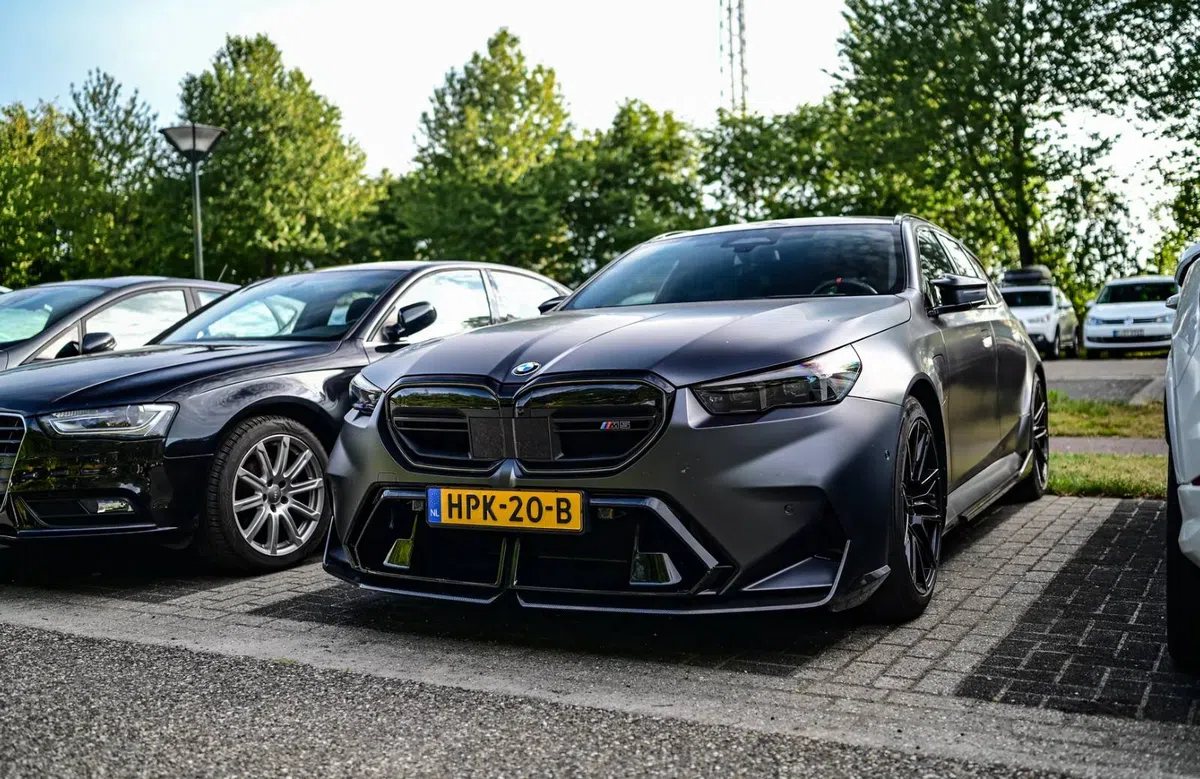
Business 206
BMW Group Reports Nine-Month Sales as European Demand Holds
In this issue
Business 206
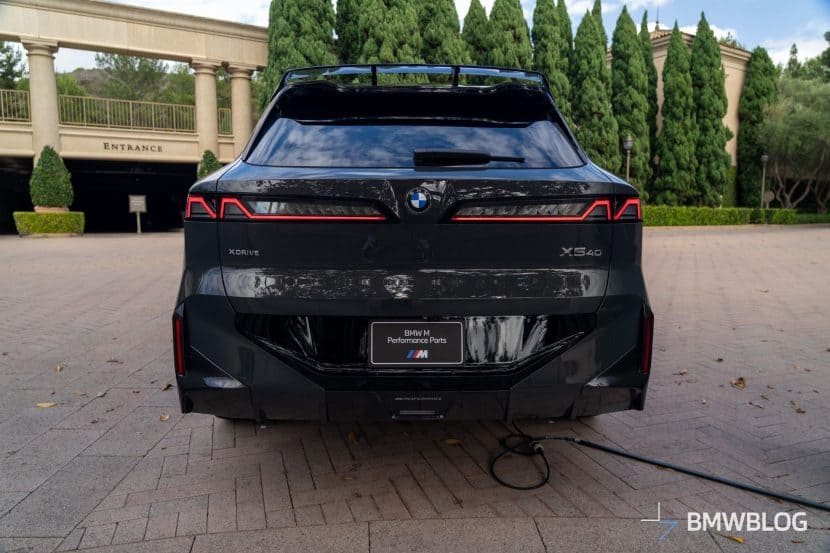
BMW Group Reports Nine-Month Sales as European Demand Holds
Culture 243
ITV's The Party: Elizabeth Day on adapting her best-selling thriller for televisi…
Economy 39
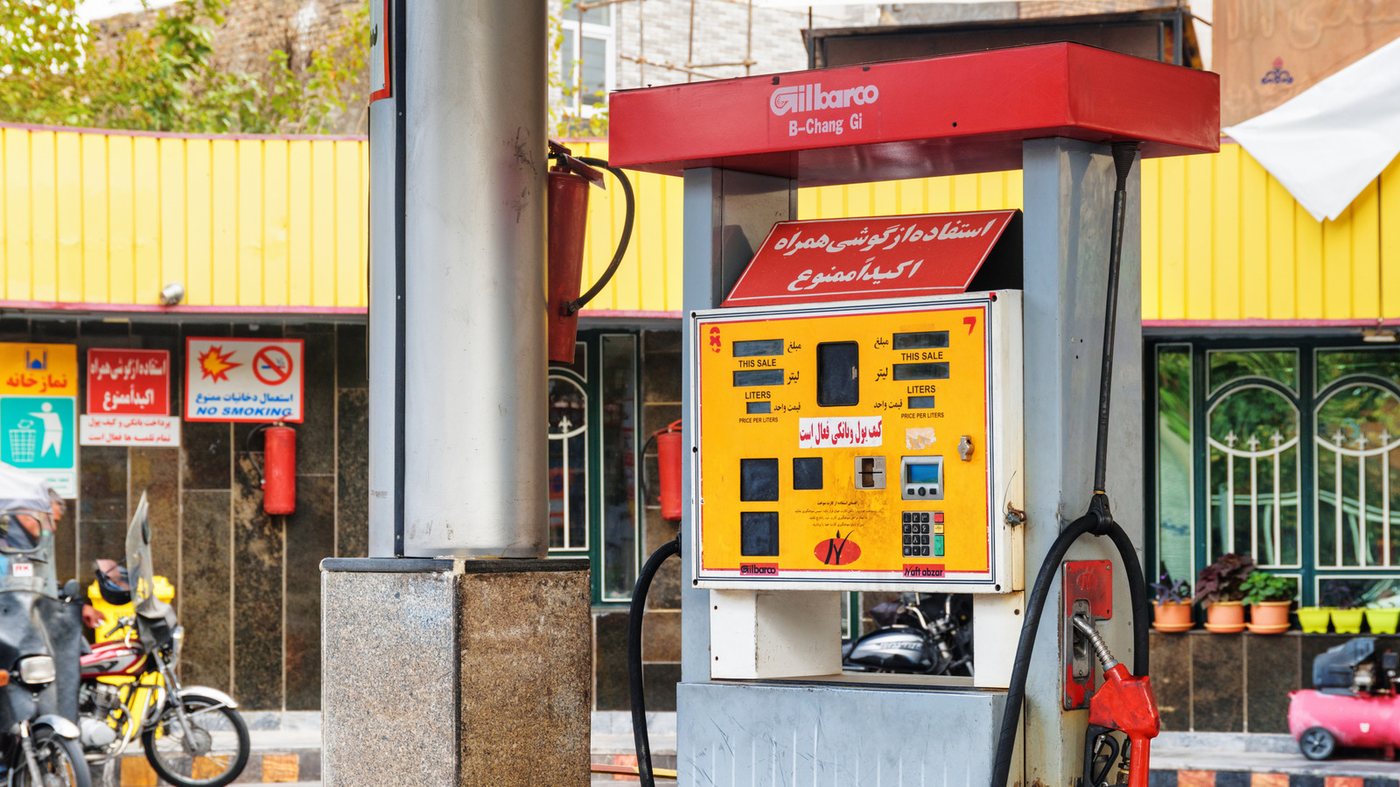
Countries Where Petrol Sells for Under $2 a Gallon
News 150
Earhart Search Team Reaches Crab-Infested Pacific Island
Politics 112
Ulle Madise becomes Estonia's new president
Sports 269
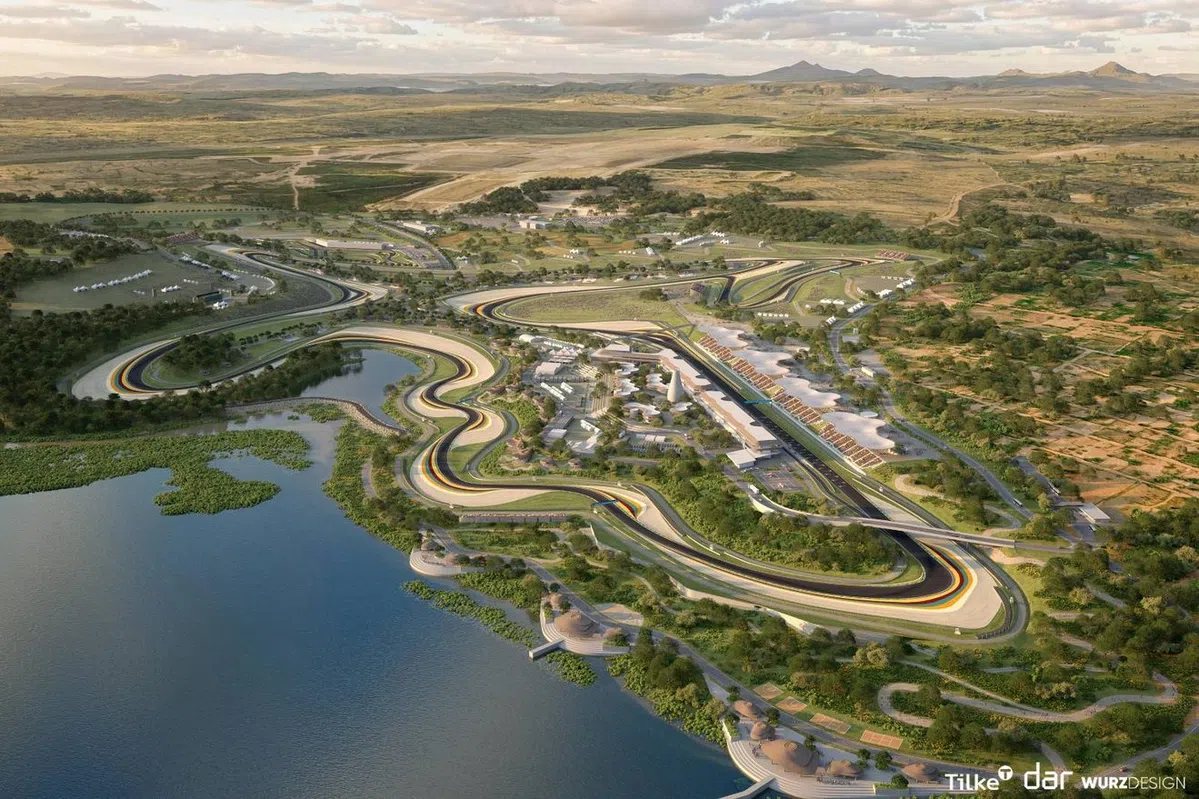
Formula 1 Confirms Rwanda Race Deal but No Circuit Exists
Technology 282
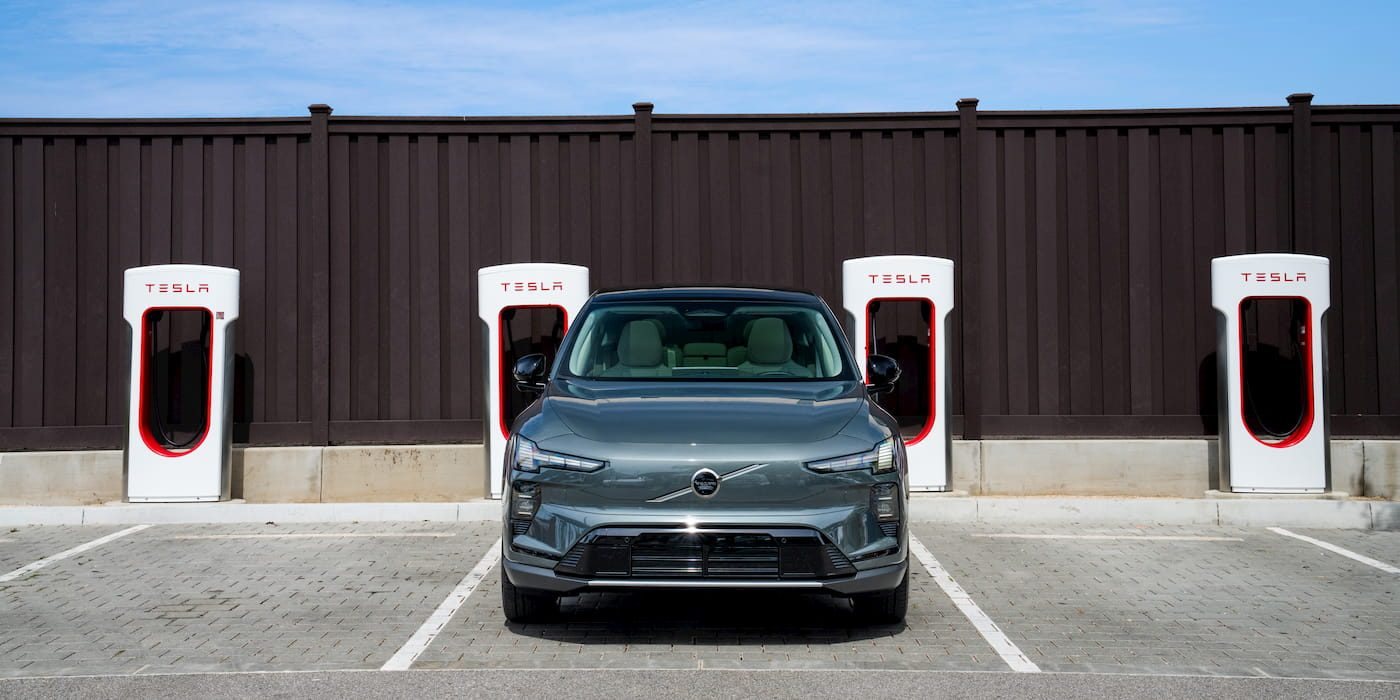
BMW Unveils Electric M3 Concept at China Debut
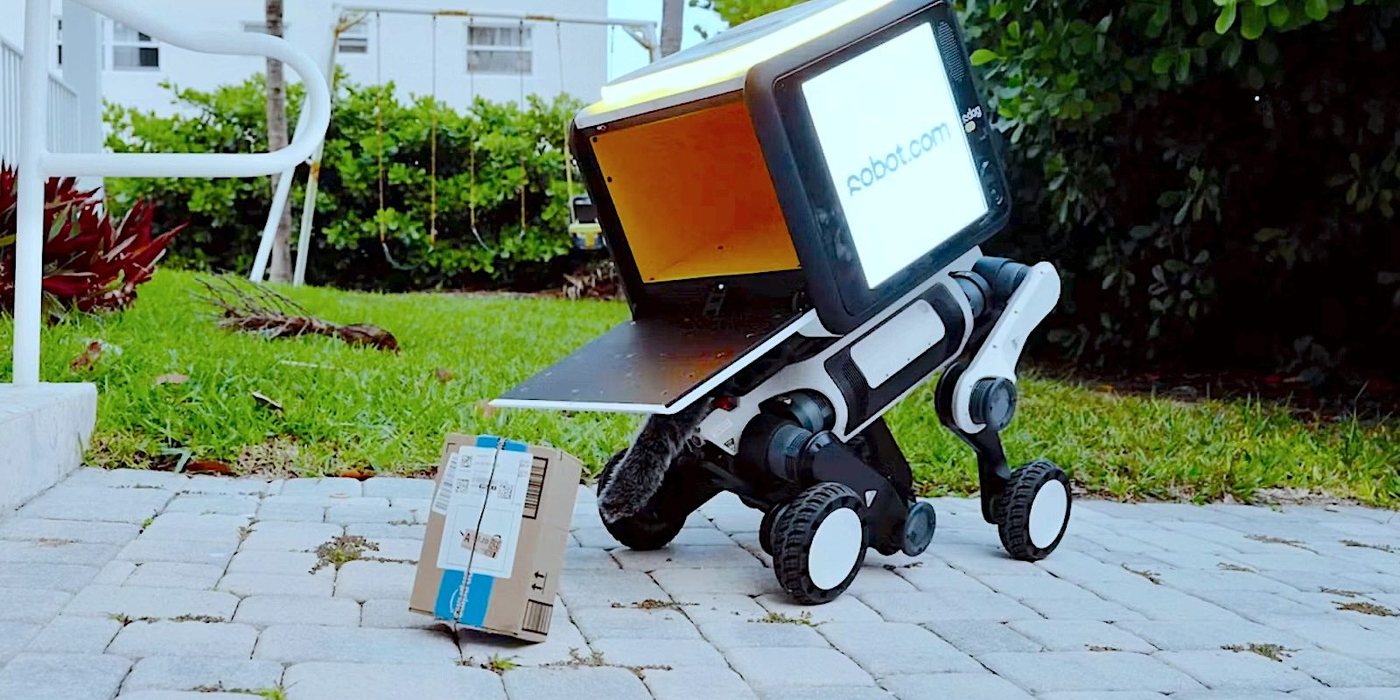
A new delivery robot named R-dog aims to replace gig workers with a friendly design, but its method of dropping off packages has drawn attention for all the wrong reasons.
By Eleanor Ellington · 4 min read
A new delivery robot is hoping to win over British households with a friendly face, a red cap and a furry tail — but its method of handing over parcels is turning heads for an unexpected reason. The R-dog, as it is called, has been designed to replace gig-economy couriers with a more approachable presence on the street. Its creators have leaned heavily into charm, giving the machine a canine-inspired look that is meant to put customers at ease. The effect, however, is somewhat undermined by the robot’s habit of depositing packages with a distinctly unappealing flourish.
Footage shared online shows the R-dog arriving at a doorstep and releasing the parcel in a manner that has been described as resembling a dog leaving a mess on the porch. The delivery itself is accompanied by a steaming effect, which has prompted more than a few jokes at the company’s expense. To make matters worse, the robot runs advertisements the entire time it is on the move, meaning customers are treated to a commercial break while their package is being dropped off. The combination of the odd delivery style and the constant adverts has made the R-dog a talking point on social media, though perhaps not for the reasons its developers intended.
The concept behind the R-dog is part of a broader push within the delivery industry to automate the so-called last mile — the final stretch of a parcel’s journey from a local depot to the customer’s front door. Companies across Europe and North America have been experimenting with wheeled robots, drones and other autonomous solutions in an effort to cut labour costs and speed up deliveries. The R-dog stands out from the crowd by prioritising aesthetics, with its designers clearly hoping that a cute exterior will make the public more accepting of robots sharing pavements and driveways. Whether the steaming delivery method helps or hinders that goal remains an open question.
The advertising element is another distinctive feature. Rather than simply delivering parcels, the R-dog doubles as a mobile billboard, beaming promotions at residents as it trundles along. For businesses, that could represent an additional revenue stream, but for households already weary of targeted ads, it may be a step too far. Critics have pointed out that the last thing most people want after a long day is a robot on their doorstep playing commercials while it fumbles with their online shopping.
There is also the practical question of whether the R-dog can actually compete with human couriers. Gig workers, for all the controversy surrounding their employment conditions, remain flexible and capable of navigating complex environments such as apartment blocks, office buildings and gated communities. Robots, by contrast, are often limited to straightforward routes and can struggle with unexpected obstacles. The R-dog’s designers have not yet published detailed specifications about its range, payload capacity or ability to handle stairs, leaving some industry observers sceptical about its real-world viability.
For now, the R-dog appears to be in the demonstration phase, with the video serving as a proof of concept rather than a commercial launch. The company behind it has not announced a timeline for rolling out the robots to British streets, nor has it confirmed which retailers might sign up for the service. What is clear is that the machine has already achieved something many startups crave: attention. Whether that attention translates into orders, or merely into more jokes about steaming parcels, will depend on whether the R-dog can clean up its act.
54