Business 222
Jeep Weighs Willys Revival to Counter Chinese Rivals in Europe
In this issue
Business 222
Jeep Weighs Willys Revival to Counter Chinese Rivals in Europe
Culture 265
New Zealand Museum Releases 1938 Aerial Photos of Nikumaroro Island in Earhart Se…
Economy 40
US Petrol Prices Set Record for Longest Stretch Above $4 a Gallon
News 153
Forecasters Issue Winter Snow Verdict for the UK
Politics 114
Hungary Moves to Repeal Anti-LGBT Laws in Push for EU Closer Ties
Sports 278
Middlesbrough Host Cardiff City in Championship Clash
Technology 310
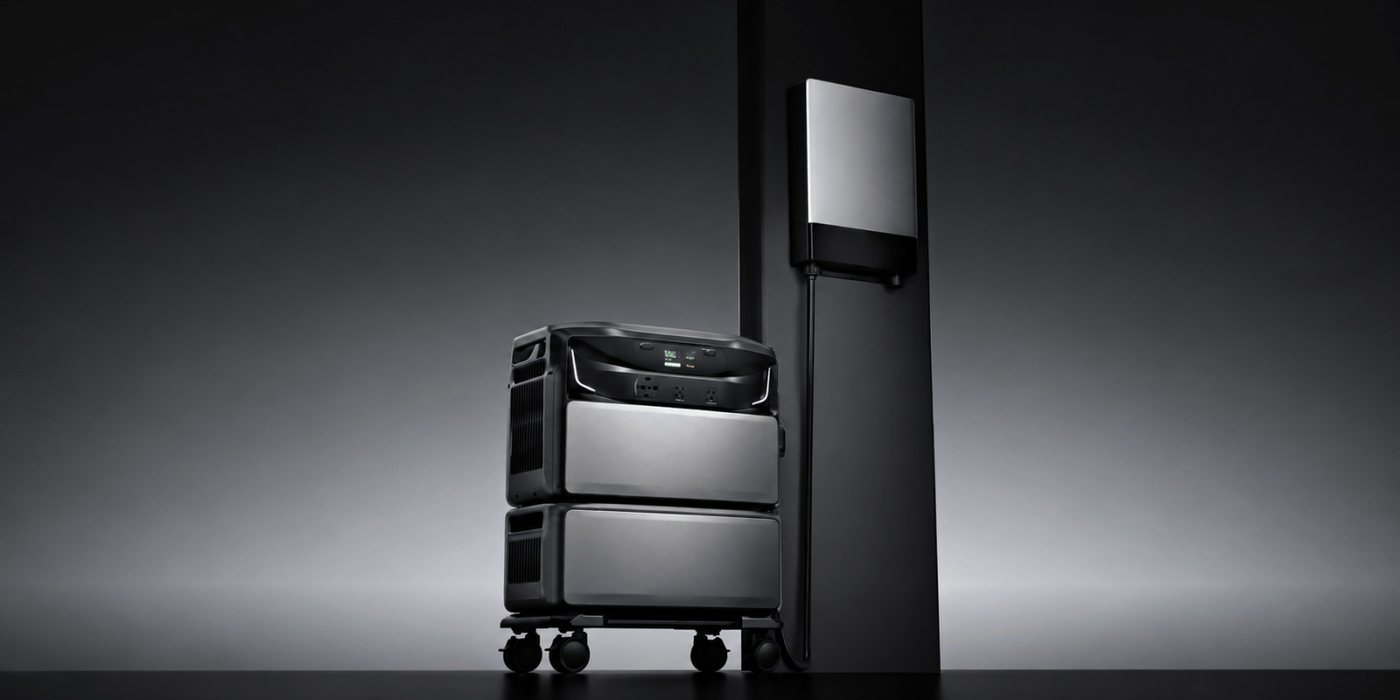
EcoFlow launches smaller scalable home battery system
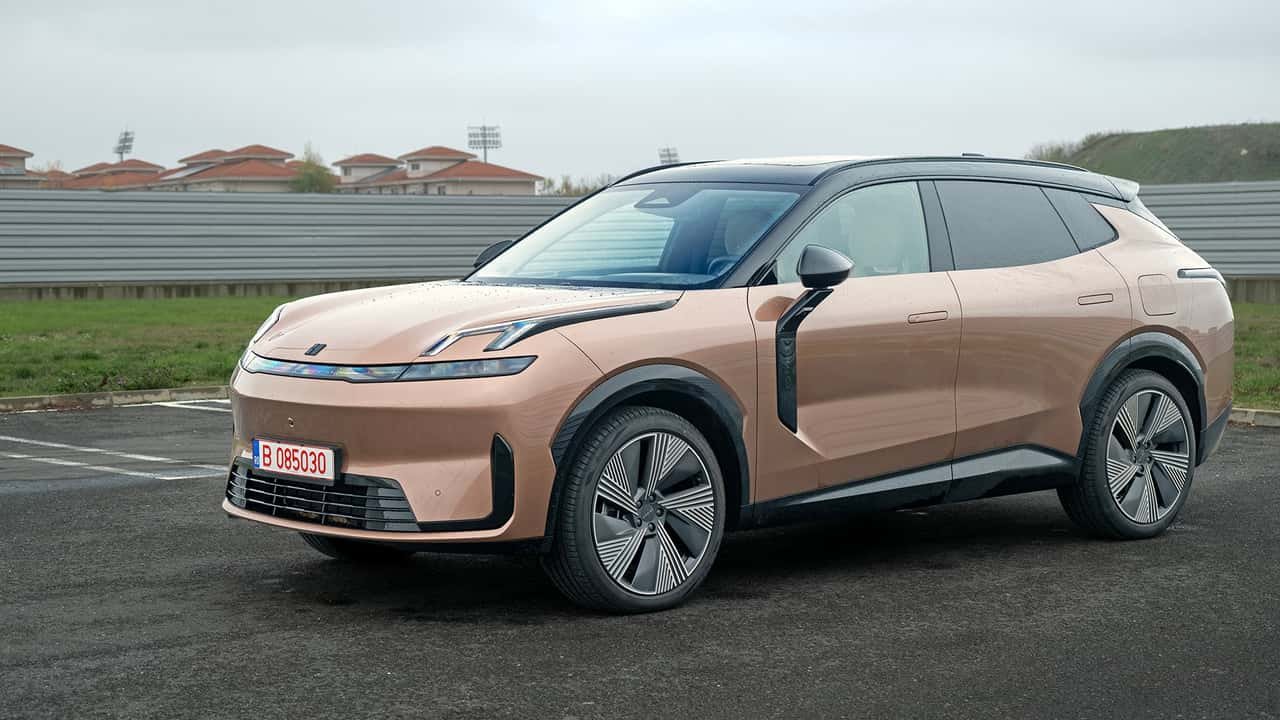
A new report argues that plug-in hybrids should carry smaller petrol tanks, longer electric range and faster charging to ensure owners actually use them as intended and deliver real fuel savings.
By George Kensington · 4 min read
Plug-in hybrid vehicles should be fitted with smaller fuel tanks, longer electric-only ranges and faster charging systems to ensure they deliver on their promise of lower emissions, according to a new report. The argument addresses a persistent problem in the car industry: many plug-in hybrid owners rarely or never plug their cars in, treating them as conventional petrol vehicles and undermining the technology's environmental case.
The report suggests that reducing the size of the petrol tank would push drivers towards using electric power more frequently, while extending battery range and speeding up charging would make the electric mode more practical for everyday use. Together, these measures could help plug-in hybrids achieve the fuel-saving and emissions benefits that regulators and manufacturers have claimed for them.
Plug-in hybrids combine a battery-powered electric motor with a conventional combustion engine. When charged regularly and driven mainly on electricity for short journeys, they can offer substantial reductions in fuel consumption and carbon dioxide emissions compared with pure petrol or diesel cars. However, studies have repeatedly shown that real-world usage often falls far short of official figures, because many owners do not charge their vehicles regularly.
The proposal to shrink fuel tanks is a direct response to that behaviour. A smaller tank reduces the distance a driver can travel on petrol alone, encouraging more frequent charging and greater reliance on electric power. At the same time, a longer electric range would allow more journeys to be completed without using the engine at all, and faster charging would reduce the time needed to top up the battery, making the electric mode more convenient.
The report's recommendations come as governments and regulators tighten rules on vehicle emissions and push the industry towards electrification. Plug-in hybrids are seen by some manufacturers as a transitional technology, bridging the gap between conventional engines and fully electric vehicles. But their environmental credentials depend heavily on how they are used, and critics argue that lax testing and generous incentives have allowed plug-in hybrids to be sold on unrealistic efficiency claims.
For drivers, the changes could mean a different ownership experience. A smaller fuel tank may require more frequent stops on long journeys, but it would also reduce weight and could lower running costs for those who charge regularly. Longer electric range and faster charging would make the vehicles more usable for daily commuting and short trips, where electric power is most efficient.
The report adds to a growing debate about how plug-in hybrids should be designed and regulated. Some industry figures have called for stricter real-world emissions testing, while others argue that plug-in hybrids remain a practical option for drivers who are not yet ready to switch to a fully electric vehicle. The proposal to reduce fuel tank size is likely to be controversial among manufacturers, who often market plug-in hybrids on their long combined range and flexibility.
Whether carmakers will adopt the recommendations remains uncertain. But the report's central point is clear: plug-in hybrids only deliver their promised benefits when they are actually plugged in, and vehicle design can play a role in encouraging that behaviour. Smaller fuel tanks, more electric range and faster charging are presented as a package of measures that could align the technology with its environmental aims.
5