
Business 110
Dacia CEO Urges EU to Freeze Small Car Rules to Cut Prices
In this issue
Business 110
Dacia CEO Urges EU to Freeze Small Car Rules to Cut Prices
Culture 89
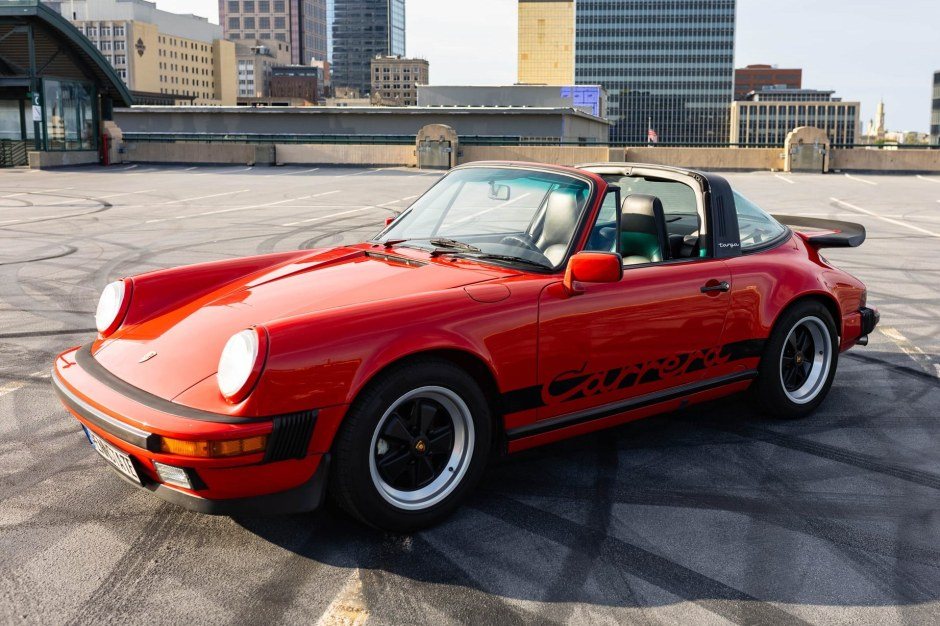
1988 Porsche 911 Carrera Targa G50 with Rebuilt Engine Heads to Auction
Economy 30
HMRC is writing to low earners about pension top-ups averaging about £70
News 124
Aftermarket Trackers Recover 99% of Stolen Cars as Factory Systems Fail
Politics 104
Met police open inquiry into alleged foreign donations to Reform UK
Sports 231
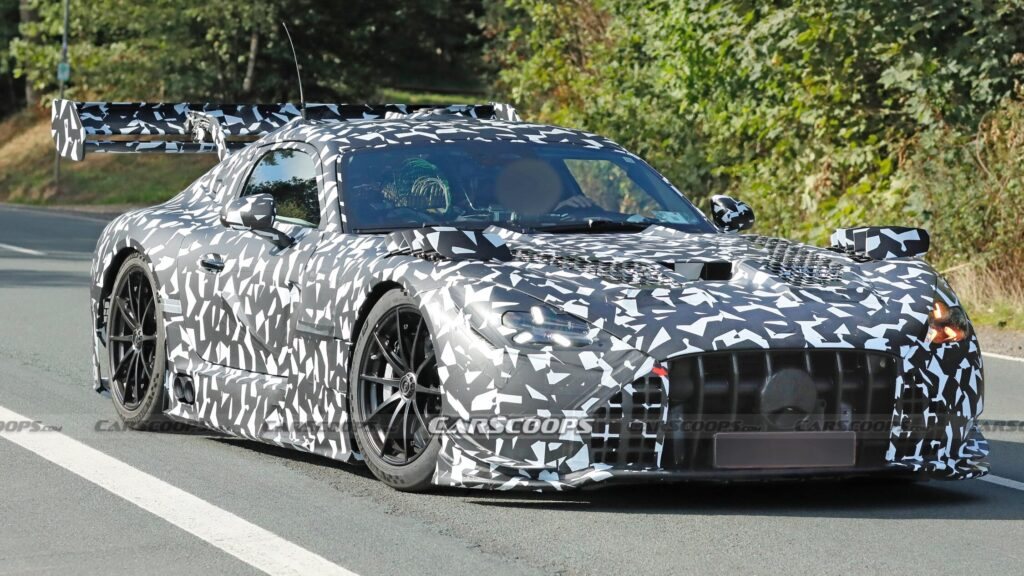
AMG GT Black Series Spied With Radical Aero Ahead of Nürburgring Record Attempt
Technology 116
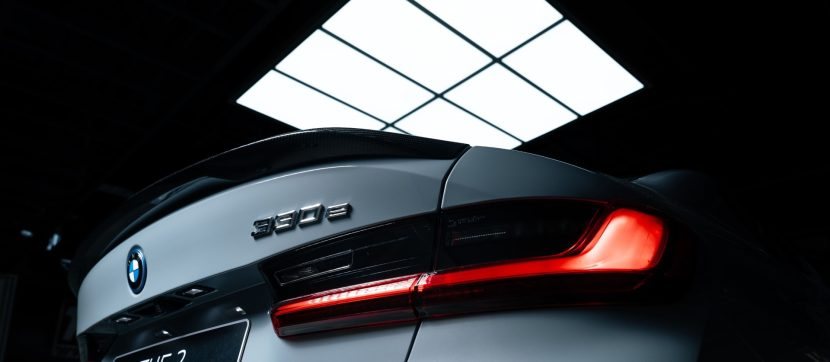
BMW Confirms Next 3 Series Will Retain Plug-In Hybrid Power
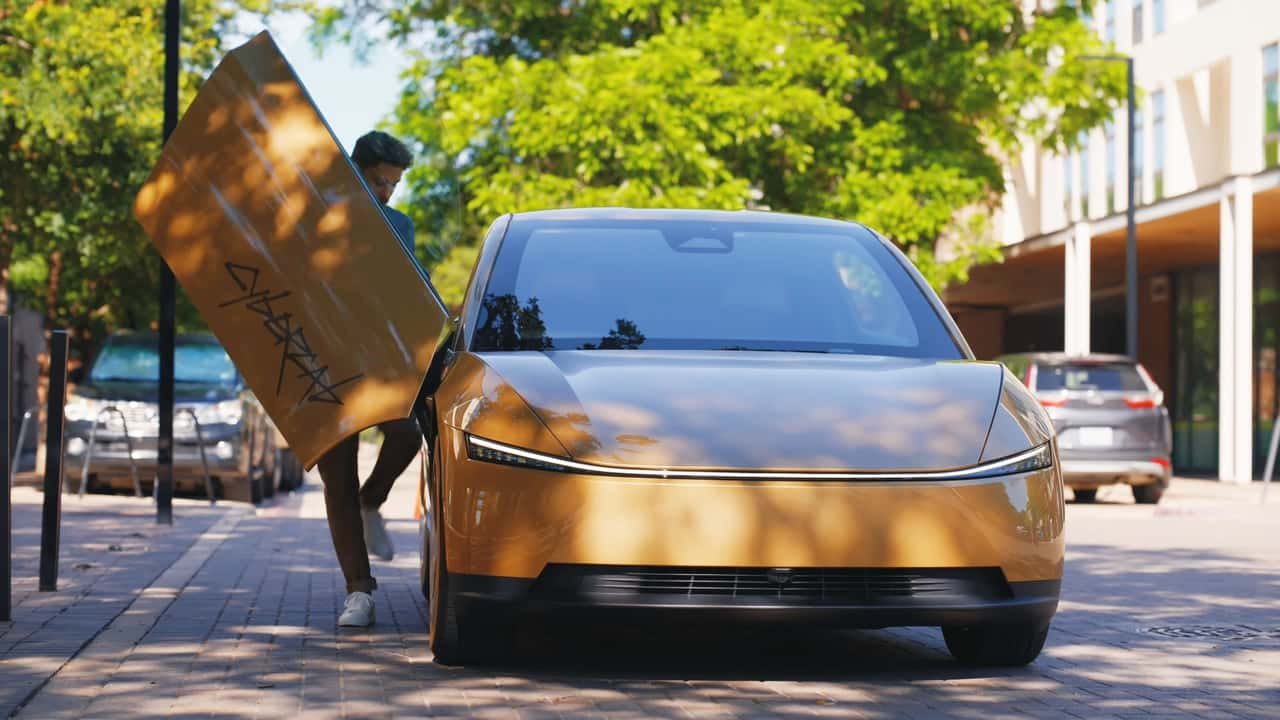
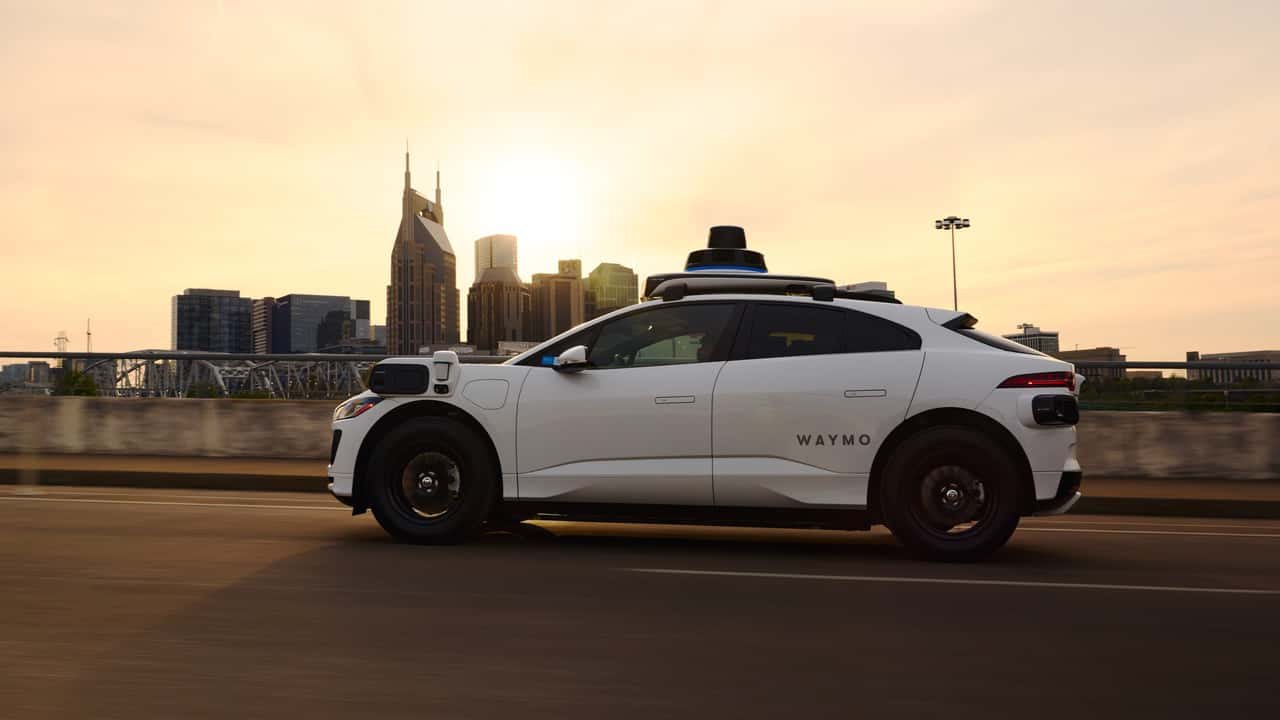
Tesla has launched paid autonomous rides in its Cybercab in Austin, Texas, marking a major step for its robotaxi ambitions. The service operates without human safety drivers, though details remain scarce and the launch event was closed to media.
By George Kensington · 4 min read
Tesla has begun offering paid rides in its Cybercab robotaxi in Austin, Texas, marking a significant step in the company's long-promised autonomous ride-hailing service. The gold-colored two-seaters went live in the Texan city after a launch event that notably lacked the usual fanfare from CEO Elon Musk, who was absent from the proceedings.
The launch, which had been in development for nearly two years, took place on Thursday in Austin. The event was closed to the media, and no livestream was provided, leaving many details about the service unclear. From Friday, the self-driving Cybercabs became available to the public in Austin, though Tesla has not yet disclosed the service area, pricing structure, or the number of vehicles in operation.
This rollout follows a period of testing in Austin, where Tesla had previously operated robotaxis on a small scale. However, those earlier trials required a safety driver to be present in the vehicle, ready to take over control if necessary. The new Cybercab service appears to operate without such human oversight, aligning with Musk's repeated assertions that autonomous taxis are crucial to Tesla's financial future.
The move comes as Tesla announced that its robotaxis have now driven a cumulative one million miles without a human driver supervising them. That figure, revealed on Thursday, is more than double the number reported just six weeks earlier, indicating a rapid acceleration in the deployment of fully autonomous driving. The shift away from human safety drivers is a key milestone for Tesla, which has faced regulatory and technical challenges in proving the safety and reliability of its Full Self-Driving (FSD) software.
In a related development, Tesla has begun distributing a “Robotaxi interest form” to potential fleet buyers, seeking parties interested in building a robotaxi network or providing related infrastructure services. This marks the first step in allowing third-party entities to generate revenue from Tesla's FSD technology. However, individual Tesla owners who were promised the ability to earn passive income by adding their vehicles to a future robotaxi network remain excluded from the program, a point of contention among some FSD owners.
The Cybercab launch in Austin is a pivotal moment for Tesla, which has faced delays and skepticism regarding its autonomous vehicle ambitions. The company has yet to provide comprehensive data on the service's performance, including ride volumes, safety incidents, or user feedback. Analysts will be watching closely to see whether Tesla can scale the service beyond Austin and navigate the regulatory landscape in other states and countries.
For now, the Cybercab's arrival in Austin represents a concrete step toward Musk's vision of a fleet of autonomous vehicles that can operate without human intervention. The absence of Musk at the launch event, however, has raised questions about the company's confidence in the rollout and its broader strategic priorities. Tesla has not commented on the reasons for his absence or on the specifics of the service's expansion plans.