
Business 110
Dacia CEO Urges EU to Freeze Small Car Rules to Cut Prices
In this issue
Business 110
Dacia CEO Urges EU to Freeze Small Car Rules to Cut Prices
Culture 89
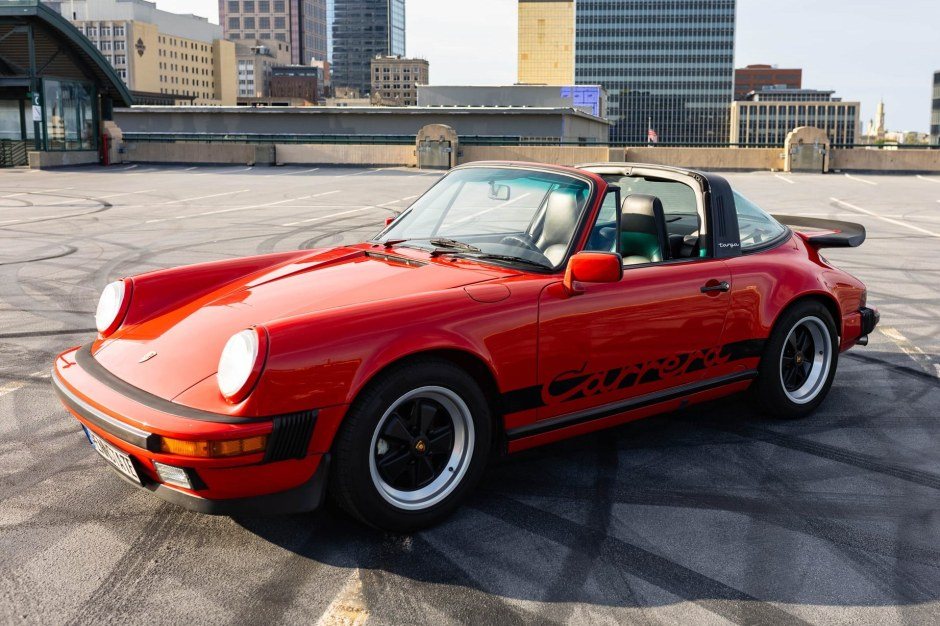
1988 Porsche 911 Carrera Targa G50 with Rebuilt Engine Heads to Auction
Economy 30
HMRC is writing to low earners about pension top-ups averaging about £70
News 124
Aftermarket Trackers Recover 99% of Stolen Cars as Factory Systems Fail
Politics 104
Met police open inquiry into alleged foreign donations to Reform UK
Sports 231
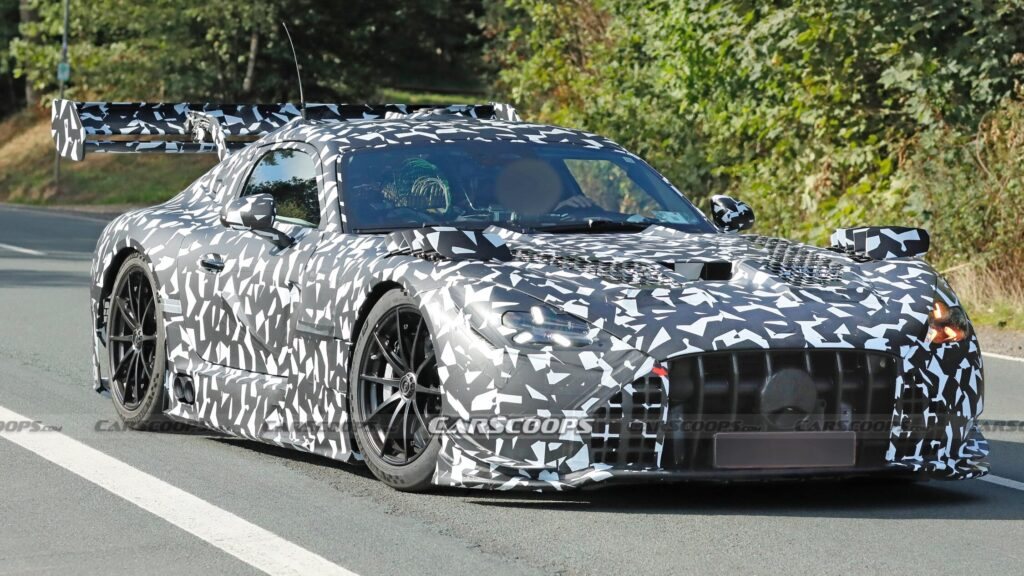
AMG GT Black Series Spied With Radical Aero Ahead of Nürburgring Record Attempt
Technology 116
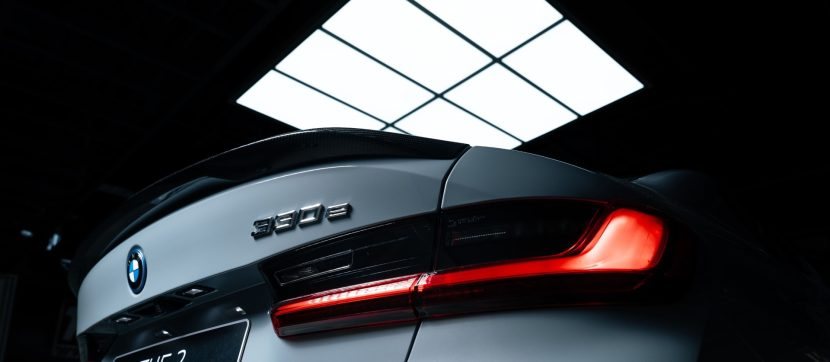
BMW Confirms Next 3 Series Will Retain Plug-In Hybrid Power
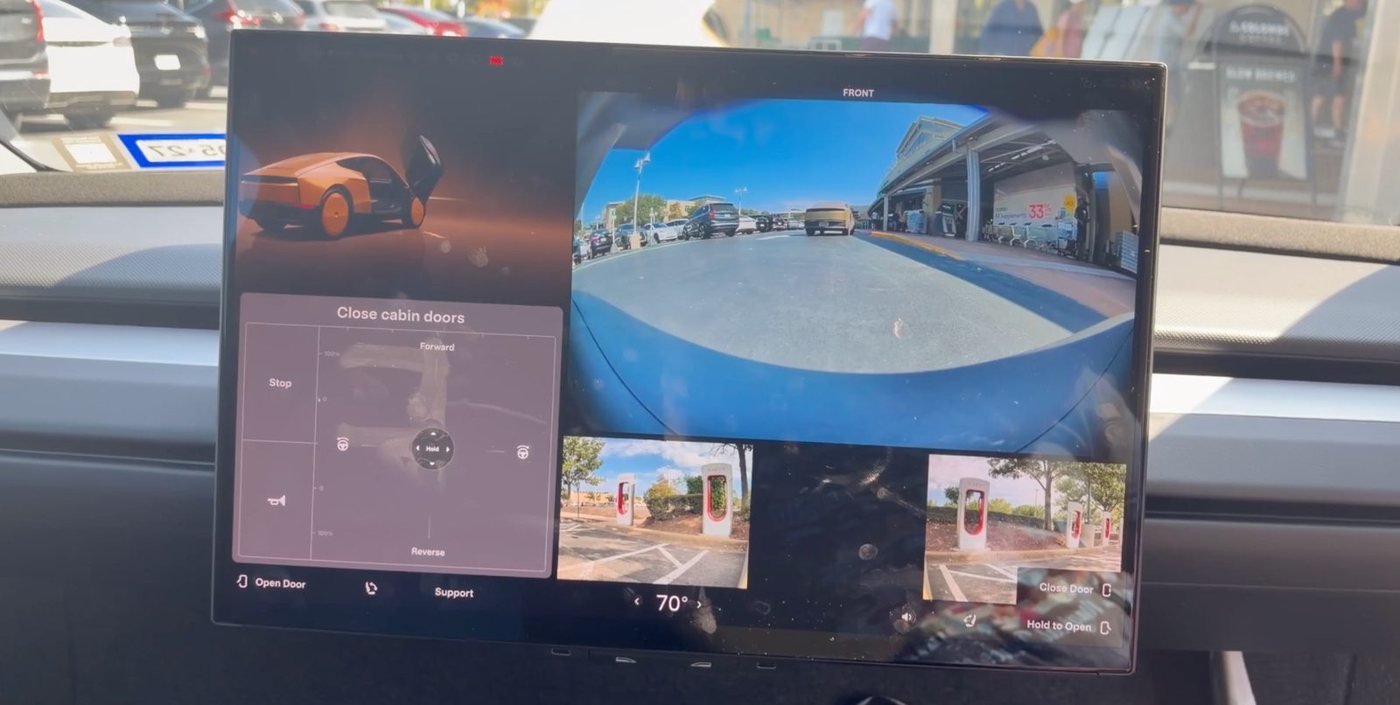
A Tesla Cybercab rider discovered a hidden manual driving mode on the robotaxi's touchscreen, revealing a virtual joystick that allows hand control despite the vehicle having no steering wheel or pedals.
By George Kensington · 5 min read
A Tesla Cybercab passenger has discovered a hidden manual driving mode on the robotaxi's large touchscreen, revealing that the vehicle can still be steered by hand despite having no physical steering wheel or pedals. The finding emerged when a rider entered the vehicle and noticed the display showing a virtual joystick interface, which appears to function as a backup control system for the otherwise fully autonomous car.
Tesla designed the Cybercab as a purpose-built robotaxi with no traditional driver controls, relying entirely on its Full Self-Driving software to navigate roads without human intervention. However, the newly spotted on-screen joystick suggests the company built in a fallback option that allows a person to take manual command of the vehicle by dragging a finger across the display. The interface effectively acts as a giant virtual steering wheel, giving an occupant the ability to guide the car if needed.
The discovery raises questions about how Tesla intends to handle edge cases where autonomous operation may fail or where a passenger might need to intervene. While the Cybercab is marketed as a vehicle that requires no driver, the presence of a manual override suggests Tesla engineers anticipated scenarios in which human control could be necessary, such as during maintenance, testing, or unusual road conditions that the software may not be equipped to handle.
Industry observers note that the virtual joystick is a notable departure from conventional automotive design. Most vehicles with manual driving capabilities include physical controls as a standard safety measure, but Tesla's approach embeds the function entirely within the software interface. This aligns with the company's broader strategy of simplifying the cabin and reducing costs, as the Cybercab is expected to be produced without the mechanical components associated with traditional steering systems.
The Cybercab, which Tesla has positioned as a central piece of its future robotaxi network, is designed to operate without a human driver under normal circumstances. The company has said the vehicle will be deployed as part of a ride-hailing service, with users summoning the car through an app and riding without any interaction with driving controls. The hidden manual mode, however, adds a layer of complexity to that vision, as it implies that at least some level of human oversight remains possible.
Details about how the virtual joystick is activated or whether it is accessible to all passengers remain unclear. The rider who found the feature did not indicate whether the manual mode was enabled by default or required a specific sequence of actions to unlock. Tesla has not issued a public statement about the discovery, and it is unknown whether the feature is intended for consumer use or reserved for company personnel and service technicians.
The revelation comes as Tesla continues to push forward with its autonomous vehicle ambitions, facing regulatory scrutiny and public skepticism over the safety of its self-driving technology. The Cybercab's design, which eliminates traditional controls entirely, has been a point of contention among safety advocates who argue that a vehicle without manual override options could be dangerous in emergency situations. The presence of the virtual joystick may partially address those concerns, though its effectiveness as a safety measure has yet to be demonstrated.
For now, the finding offers a glimpse into the practical realities of building a car without a steering wheel. Tesla's solution, embedding manual control into the touchscreen, reflects a broader trend in the industry toward software-defined vehicles, where functions that were once handled by physical hardware are increasingly managed through digital interfaces. Whether this approach proves sufficient for real-world driving scenarios remains an open question as the Cybercab moves closer to production and deployment.