
Business 110
Dacia CEO Urges EU to Freeze Small Car Rules to Cut Prices
In this issue
Business 110
Dacia CEO Urges EU to Freeze Small Car Rules to Cut Prices
Culture 89
1988 Porsche 911 Carrera Targa G50 with Rebuilt Engine Heads to Auction
Economy 30
HMRC is writing to low earners about pension top-ups averaging about £70
News 124
Aftermarket Trackers Recover 99% of Stolen Cars as Factory Systems Fail
Politics 104
Met police open inquiry into alleged foreign donations to Reform UK
Sports 231
AMG GT Black Series Spied With Radical Aero Ahead of Nürburgring Record Attempt
Technology 116
BMW Confirms Next 3 Series Will Retain Plug-In Hybrid Power
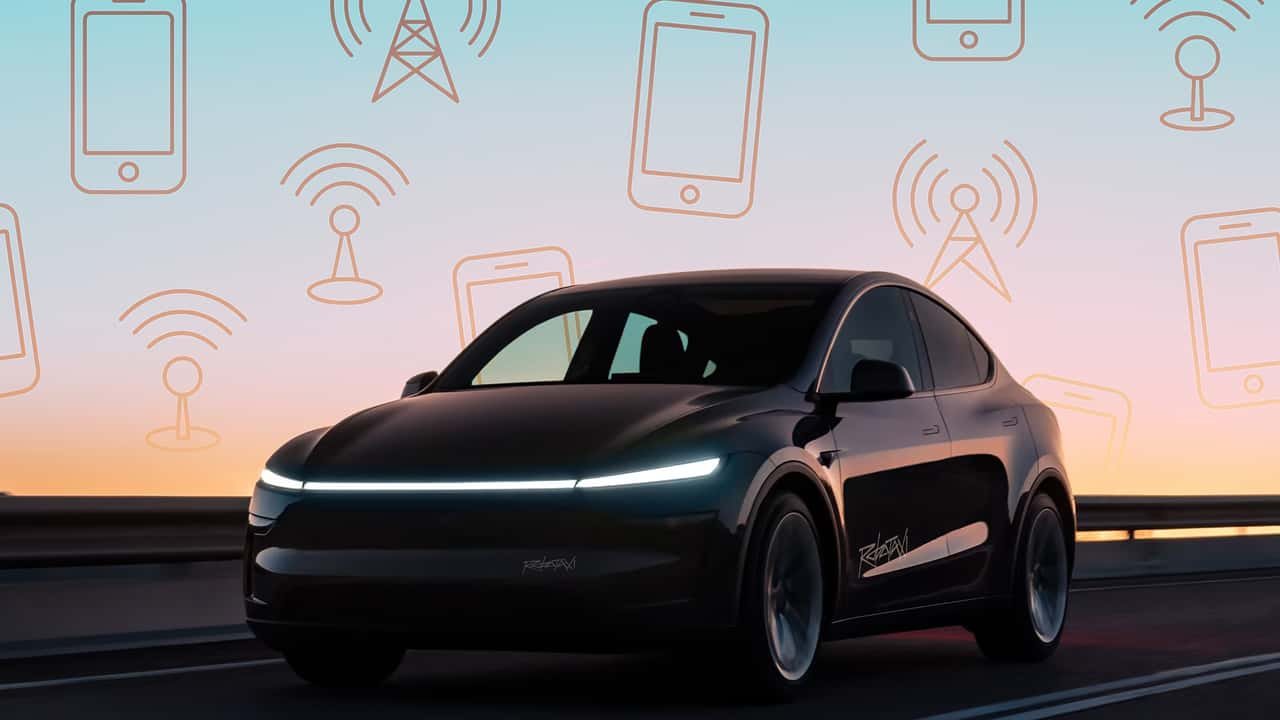
Tesla is considering offering robotaxis as service loaners, potentially replacing rental cars or Uber credits for customers whose vehicles are being repaired.
By Edward Beaumont · 5 min read
Tesla is exploring a plan to send customers home in a robotaxi while their own vehicle is being serviced, a move that would replace traditional rental cars or ride-hailing credits with an autonomous alternative. The idea, reported by InsideEVs, would see the company’s forthcoming Cybercab or other robotaxi models double as courtesy vehicles, giving owners a firsthand experience of the technology while solving a practical logistical problem.
The proposal is still in its early stages, and Tesla has not confirmed a timeline or specific details about how the programme would operate. However, the concept aligns with the company’s broader push toward autonomous mobility and its goal of turning its vehicle fleet into a revenue-generating asset. If implemented, customers dropping off their cars for repairs could be offered a robotaxi to drive themselves home, rather than waiting for a shuttle or relying on third-party services.
For Tesla, the move would serve multiple purposes. It would reduce the cost of providing loaner vehicles, as robotaxis are expected to be cheaper to produce and maintain than traditional cars. It would also familiarise owners with autonomous driving features, potentially accelerating public acceptance of the technology. The company has long argued that its Full Self-Driving system will eventually enable a network of self-driving taxis, and using them as service loaners could be a low-stakes way to introduce the concept to a broader audience.
The idea comes as Tesla prepares to launch the Cybercab, a purpose-built robotaxi unveiled in late 2024. The vehicle, which has no steering wheel or pedals, is designed exclusively for autonomous operation. Tesla has said it plans to begin production of the Cybercab in 2026, though the company has a history of delaying product launches. If the service-loaner plan moves forward, it would likely depend on regulatory approval for autonomous vehicles in the markets where Tesla operates.
Industry observers note that offering robotaxis as loaners could also help Tesla gather real-world data on how the vehicles perform in everyday situations. Each trip would generate valuable information about navigation, passenger behaviour, and system reliability, feeding into the company’s ongoing development of its autonomous software. This data could prove critical as Tesla seeks to convince regulators and the public that its robotaxis are safe enough for widespread use.
For customers, the experience would be a significant departure from the usual service visit. Instead of receiving a conventional loaner car or a set of Uber credits, they would be handed the keys to a vehicle that drives itself. That could be an appealing perk for tech enthusiasts, but it may also raise questions about insurance, liability, and what happens if the robotaxi encounters a situation it cannot handle. Tesla has not yet addressed these practical concerns, and it remains unclear whether customers would be able to opt out and receive a traditional loaner instead.
The plan is part of a wider trend in the automotive industry, where manufacturers are increasingly looking for ways to integrate autonomous technology into their existing business models. While most companies are focusing on dedicated robotaxi fleets operated by third parties, Tesla’s approach would put the technology directly into the hands of its own customers. That could give the company a competitive edge, but it also carries risks. A negative experience with a robotaxi loaner could damage customer trust and set back the broader acceptance of autonomous vehicles.
For now, the proposal remains just that — a proposal. Tesla has a habit of floating ambitious ideas that take years to materialise, and the service-loaner programme is no exception. Still, the fact that the company is considering it suggests that robotaxis are moving closer to the mainstream. If Tesla can successfully deploy its Cybercab fleet and convince regulators of its safety, the idea of driving home in a self-driving car after a routine service appointment may soon become a reality for its customers.